The AI Tutor: Not Just a Robot in the Corner
The AI tutor is more than a digital assistant; it's a revolution in personalized learning, offering tailored education that reshapes the classroom experience globally.
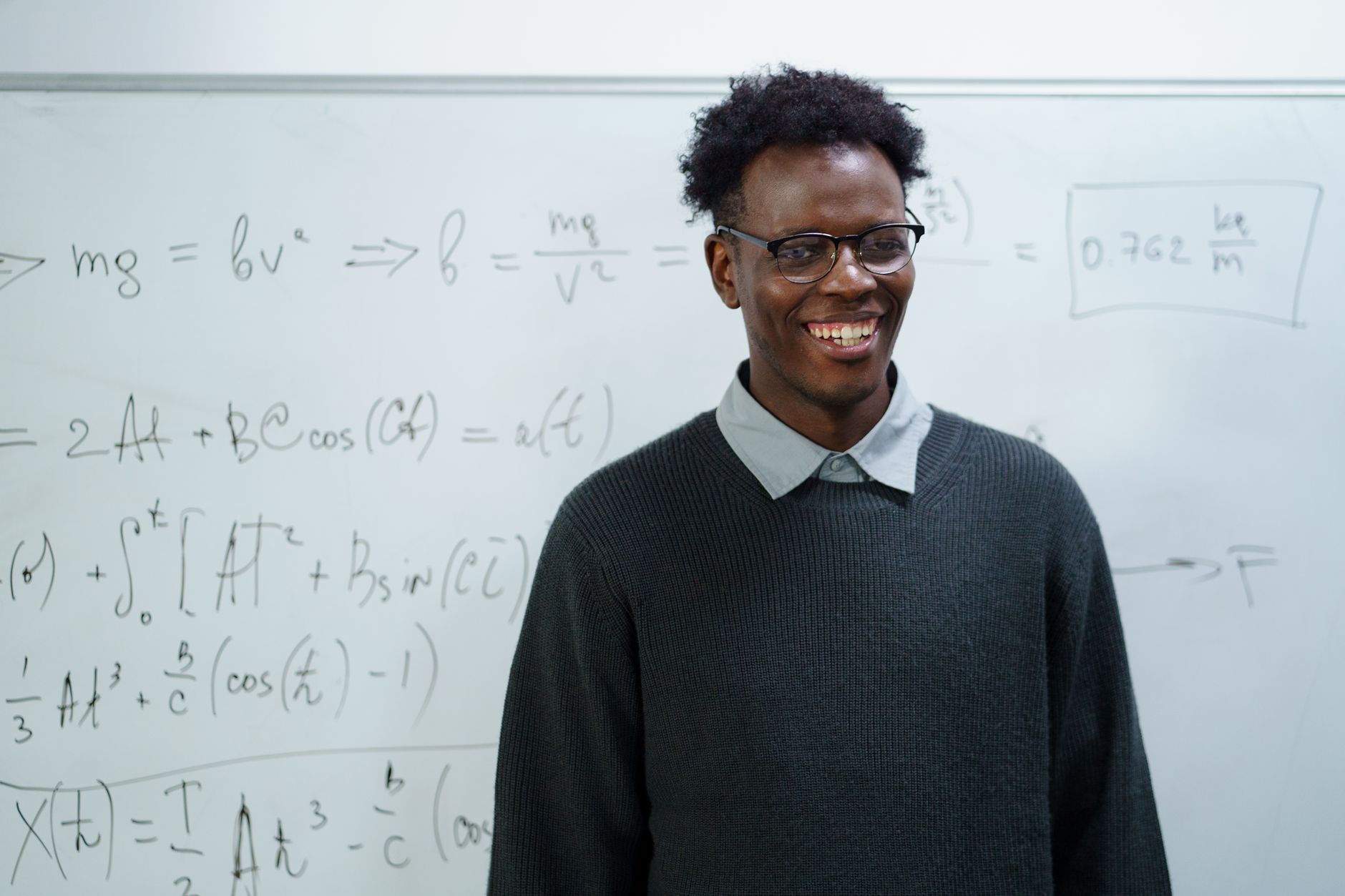
It was a Tuesday afternoon in Dubai, a stifling 40 degrees outside, but inside the air-conditioned classroom, Sarah, a tenth-grader, was struggling with quadratic equations. Her teacher, Ms. Alia, was doing her best, circulating, offering individual help. Yet, the sheer number of students meant Sarah often had to wait, her frustration mounting with each passing minute. This scene, replicated in countless classrooms from Nairobi to New York, highlights a persistent challenge: how to provide truly personalized attention in a group setting.
Enter the AI tutor, not as a replacement for Ms. Alia, but as a digital amplification of her best intentions. For too long, the idea of an AI tutor has been relegated to the realm of simple chatbots, glorified search engines, or even worse, automated grading machines. This is a narrow, even cynical, view. The true power of an AI tutor lies in its capacity for adaptive, nuanced, and deeply personal educational support.
The Intelligent Companion, Not the Automated Lecturer
Consider a student in rural Rajasthan, grappling with complex English grammar. A well-designed AI tutor, fed with curated, culturally relevant content and trained on millions of linguistic patterns, can act as a constant companion. It can explain nuances of idiom, offer contextual examples drawn from Indian literature, and provide immediate, iterative feedback. This isn't just about correctness; it's about fostering comprehension and confidence, bridging gaps that traditional resources often leave untouched. The AI isn't lecturing; it's conversing, guiding, adapting its pace and approach to the individual learner's cognitive style.
Our work at NASCA, particularly in our pilot programs in Singapore, has shown that when an AI tutor is integrated thoughtfully, it frees up educators to focus on higher-order tasks. Instead of spending precious time on remedial drills, teachers can facilitate critical thinking discussions, nurture creativity, and address the socio-emotional needs of their students. The AI handles the foundational reinforcement, tailoring practice problems and explanations to overcome specific learning plateaus identified through real-time assessment data.
Beyond the Algorithm: Cultivating Human Potential
There's a prevailing fear that AI in education will dehumanize the learning process. This fear, while understandable, often stems from a misunderstanding of AI's actual capabilities and its intended role. An AI tutor cannot replicate the empathy of a human teacher, nor should it try. Its strength lies in its relentless, unbiased patience, its ability to analyze vast amounts of data to pinpoint precise areas of struggle, and its capacity to offer a multitude of explanations until one resonates. The human element, the inspirational spark, the moral guidance, these remain firmly in the teacher's domain.
The real revolution of the AI tutor isn't technological; it's pedagogical. It’s about re-imagining the classroom not as a place where information is passively received, but where learning is an active, ongoing, and deeply personal journey. It allows every student, regardless of their background or previous academic performance, to have access to a dedicated, patient, and highly intelligent guide. Whether a student in an inner-city school in London needs extra help with GCSE Chemistry or a learner in a remote village in Kenya is trying to master advanced mathematics, the AI tutor offers a level playing field of foundational support.
The Teacher as Architect of AI-Enhanced Learning
The successful integration of AI tutors demands a new skillset from educators. Teachers become less of information dispensers and more of learning architects. They curate the AI-driven resources, interpret the data insights provided by the AI, and design engaging activities that leverage the AI's capabilities. This shift requires ongoing professional development, a willingness to experiment, and a deep understanding of how AI can complement human instruction. It’s not about replacing teachers; it’s about empowering them with tools hitherto unimaginable. The teacher's role evolves, becoming more strategic, more focused on mentorship, and ultimately, more impactful.
The advent of sophisticated AI tutors marks a critical juncture in education. It offers a tangible path towards truly individualized learning at scale, a long-held but often elusive dream. We are moving beyond the dystopian visions of AI-controlled classrooms to a more nuanced reality where intelligent systems augment human educators, allowing them to nurture each student’s unique potential with unprecedented precision and care. It’s a vision not of automation, but of augmentation; not of replacement, but of empowerment.
Frequently asked
No, AI tutors are designed to augment, not replace, human teachers. They handle foundational tasks and personalized drills, freeing teachers to focus on higher-order thinking, creativity, and socio-emotional development.
Advanced AI tutors can be trained on diverse datasets, including regional literature, historical contexts, and local examples. This allows them to offer explanations and examples that resonate with students from specific cultural backgrounds.
Yes, with improving internet infrastructure and cloud-based AI solutions, AI tutors can be accessed globally, offering educational support to students in remote villages and underserved communities, provided they have a basic device and connectivity.
Teachers need to develop skills as 'learning architects.' This includes curating AI resources, interpreting AI-generated data, designing blended learning activities, and guiding students in their interaction with AI tools. Professional development in AI literacy is crucial.
NASCA integrates AI tutors in pilot programs to support personalized learning. We focus on using AI to provide adaptive practice and feedback, allowing teachers to dedicate more time to critical thinking, creativity, and addressing students' individual emotional and social needs.
One piece of writing on AI in education. Every Monday morning. From the editors of NASCA, in seven countries. No spam, unsubscribe in one click.
Bring NASCA to your school.
If this piece resonated, the next step is a conversation. A real person from our team will reply within one working day.