The Unseen Olympiad: Beyond Gold Medals
The pressure of Olympiads in India is immense, but what truly matters is not just the medals, but the cultivation of a scientific temper and critical thinking.
Accredited by the World STEM FederationAI-native STEAM, in 100+ schools across 7 countries. WSF accredited.

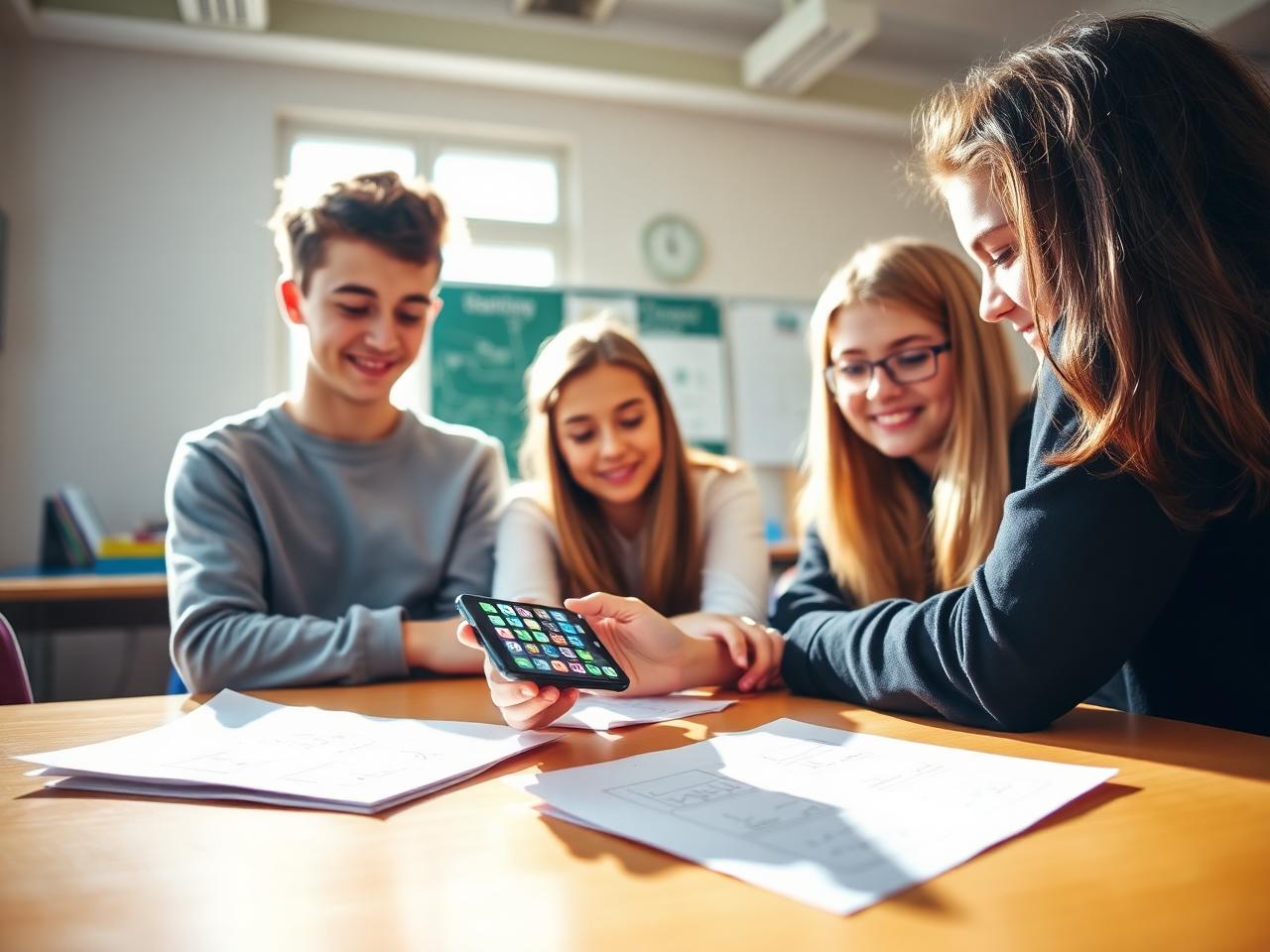
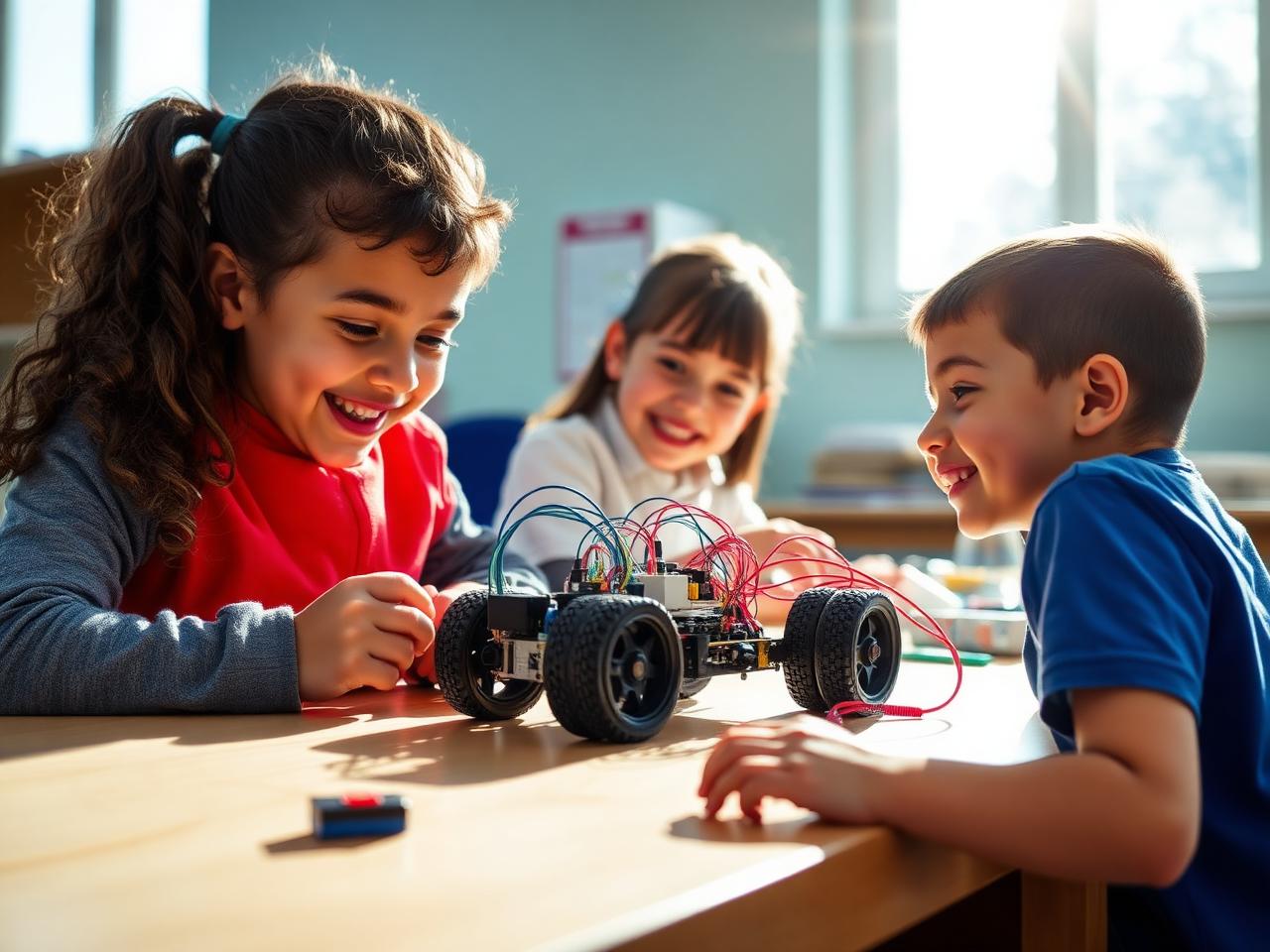
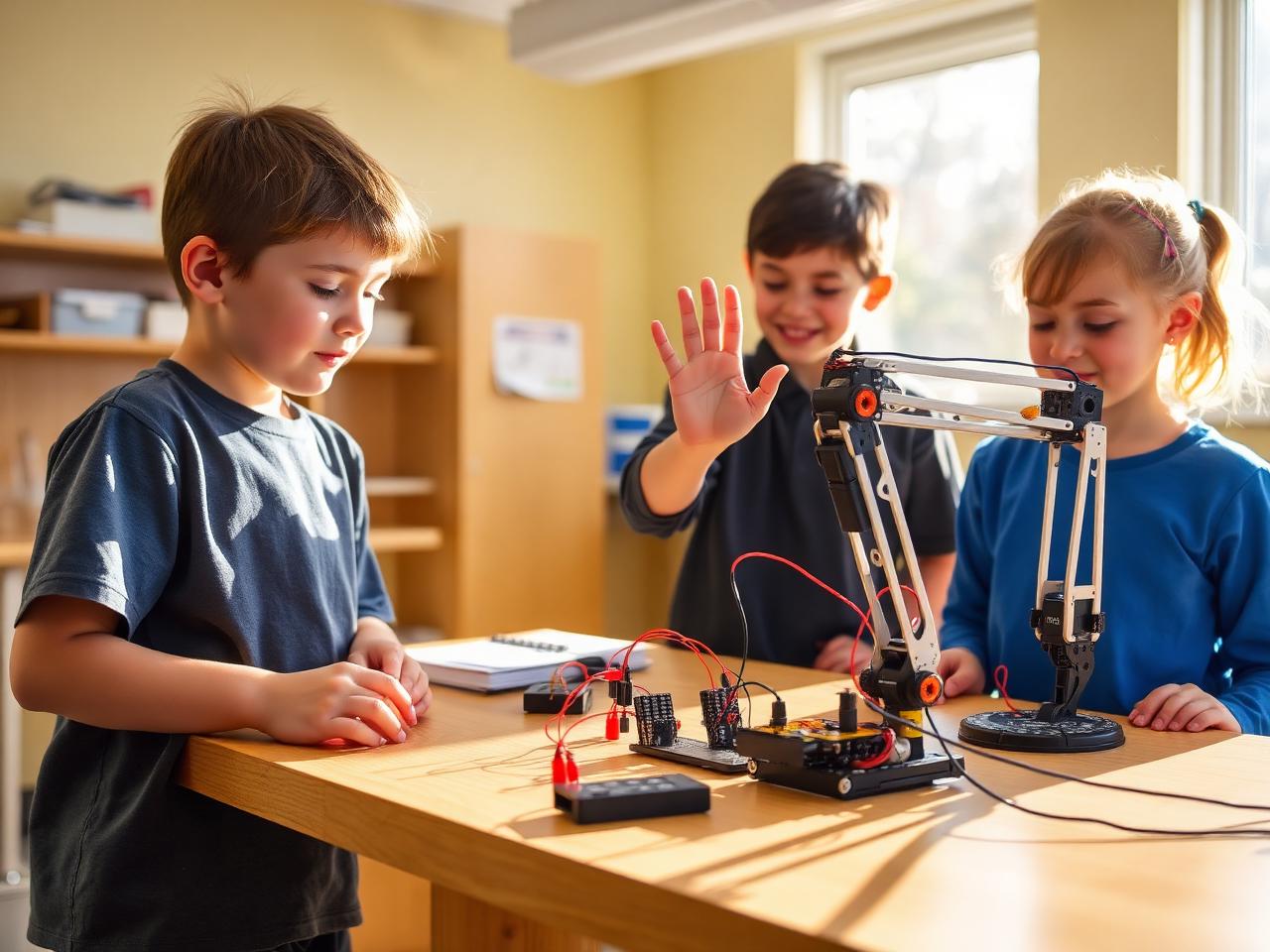
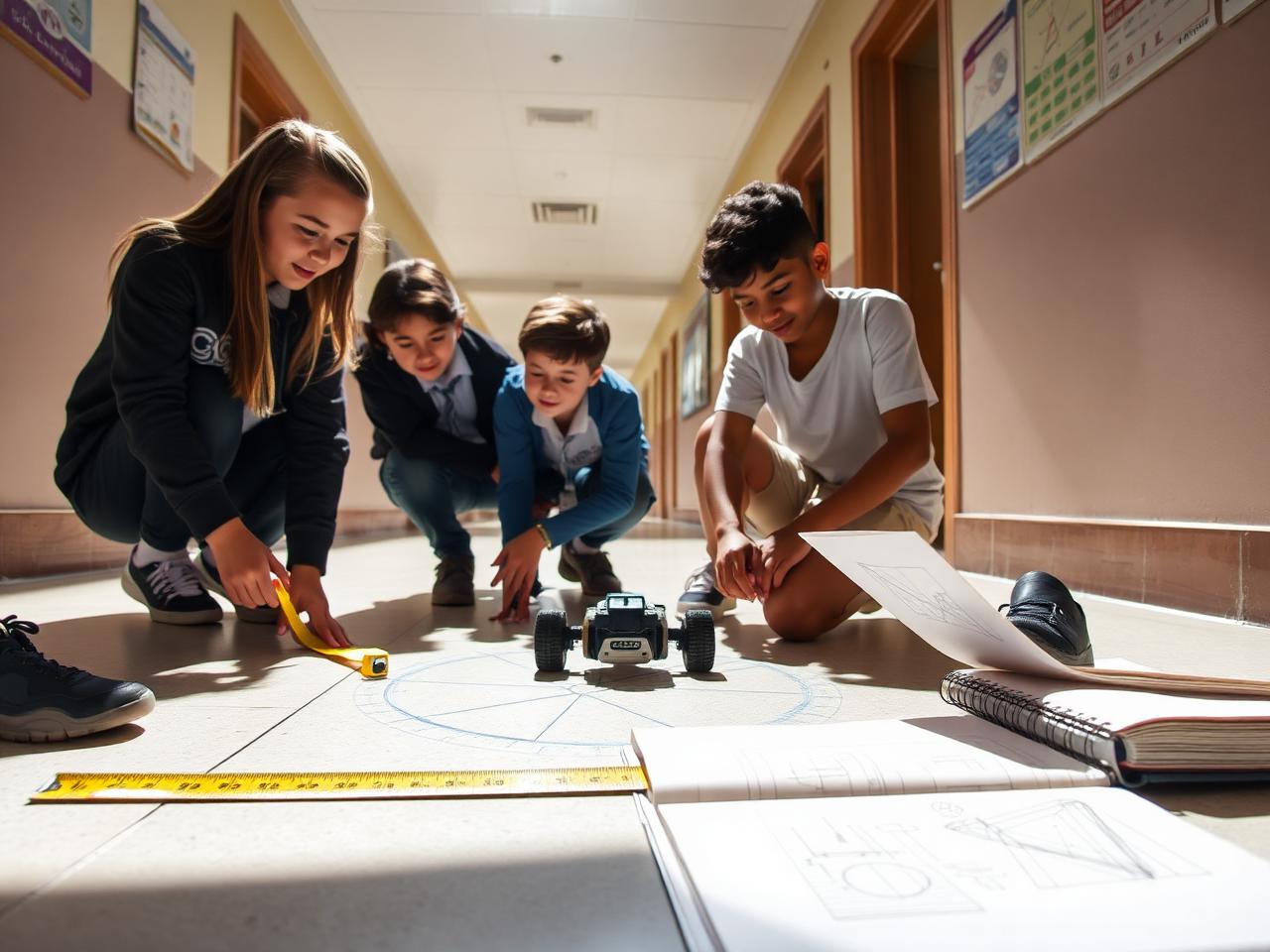
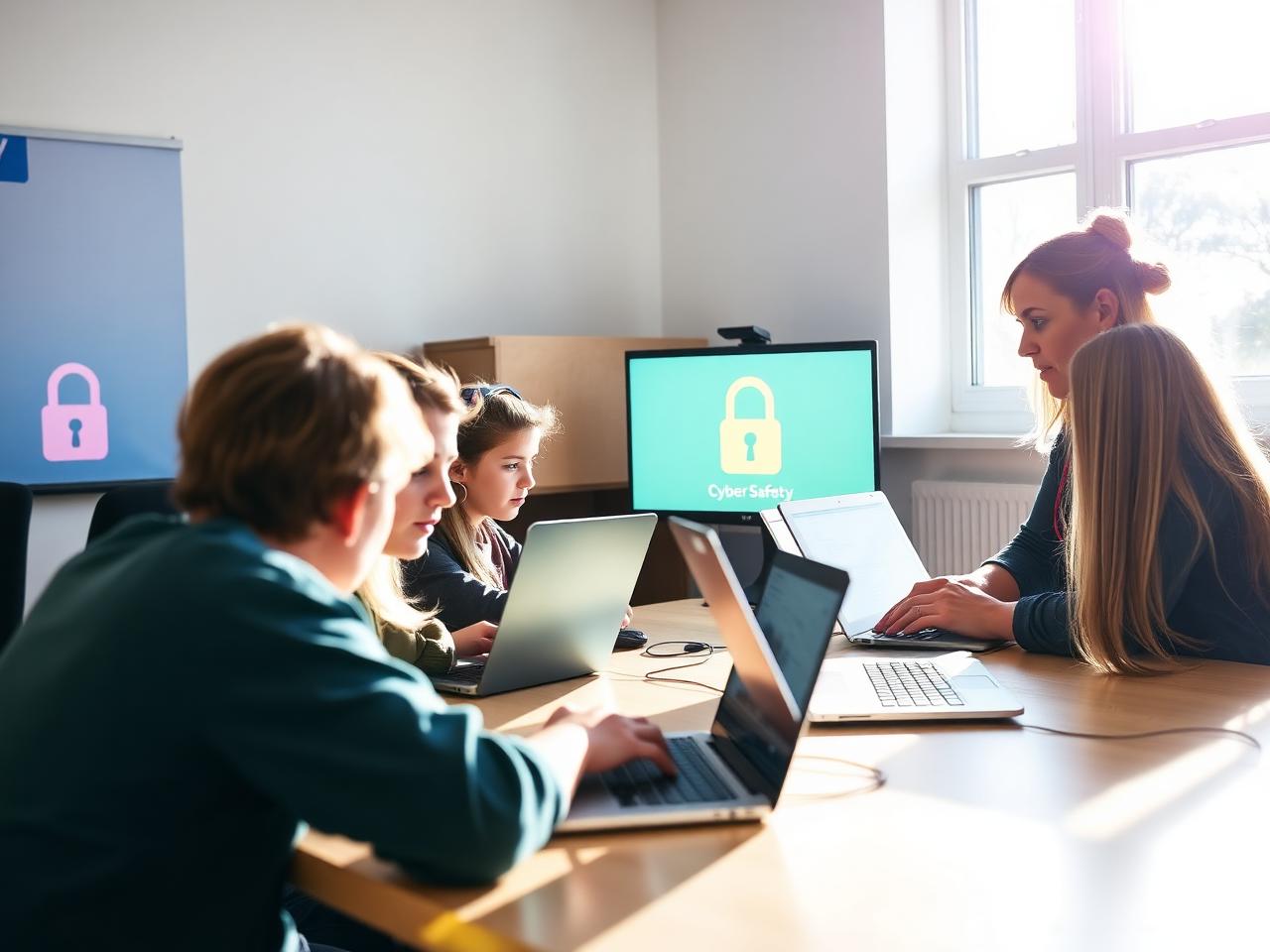
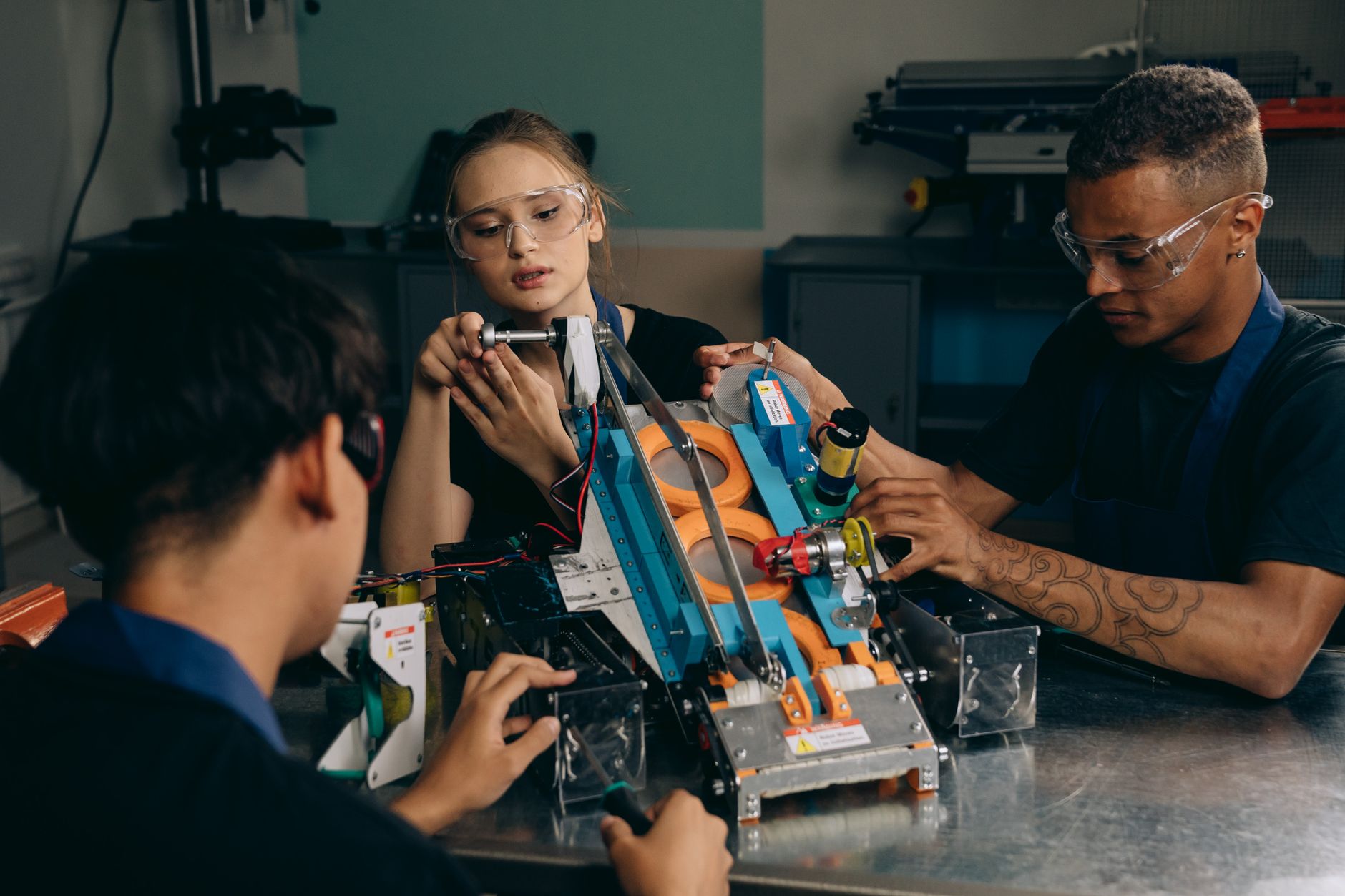
A working session in one of our partner schools.
Quick answer
NASCA is an AI-native STEAM education partner accredited by the World STEM Federation. We work with 100+ schools across 7 countries — India, the US, UAE, UK, Singapore, Saudi Arabia and Kenya — delivering K-12 curriculum, teacher training, applied AI cohorts, and university capability programs from Pre-K to PhD.
Founded by educators and parents, NASCA serves 12,000+ learners and runs a new AI Institute cohort the first Monday of every month.
In their words
"Our Grade 7 cohort built working AI agents in three weeks. Parents asked us what changed. The honest answer is: NASCA happened."
"We've worked with four STEAM partners over five years. NASCA is the first one that treated our teachers as collaborators, not customers."
"The curriculum is rigorous, the teacher training is real, and the children come home talking about what they made. That's the test for me."
A day at NASCA
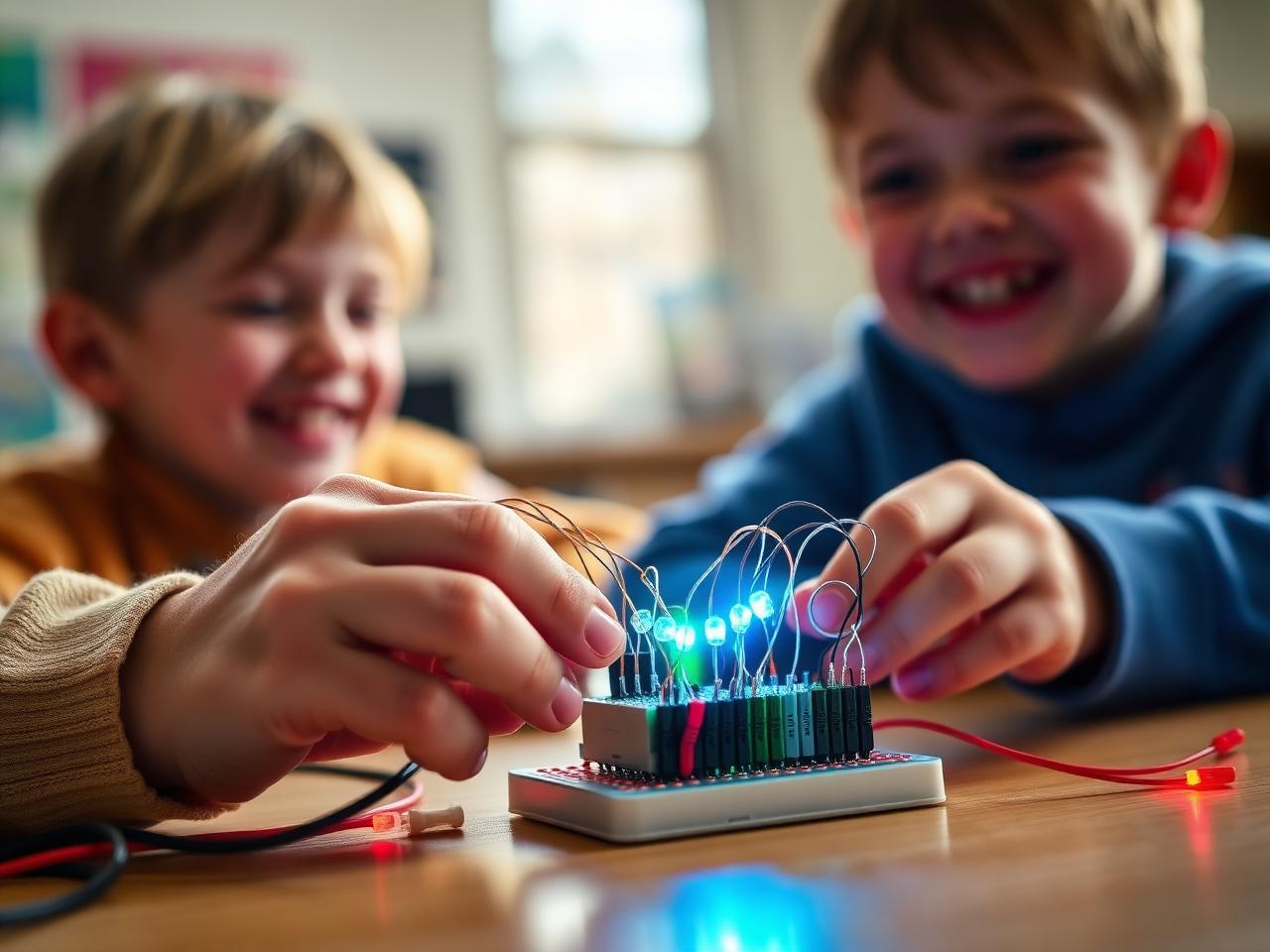
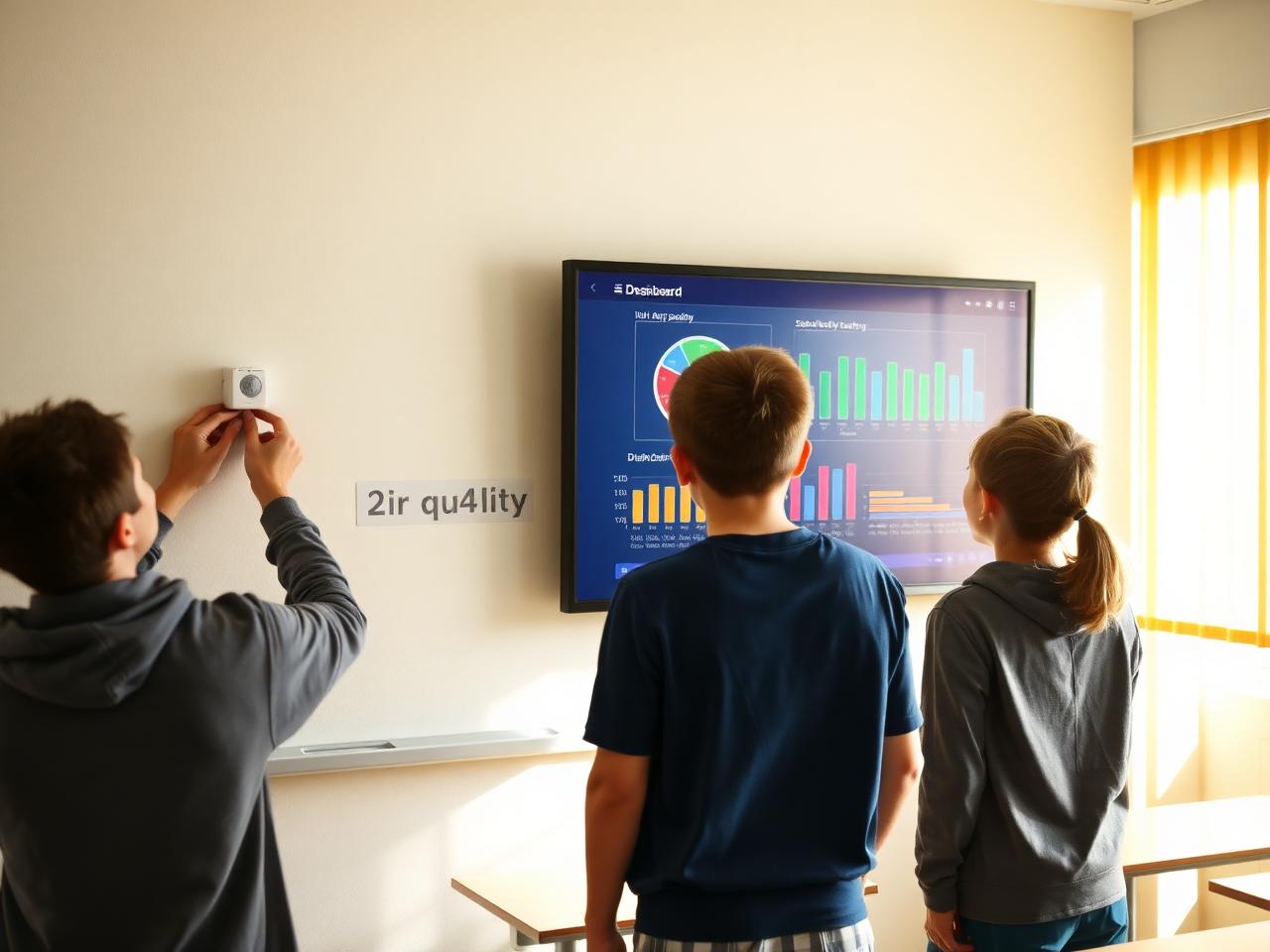
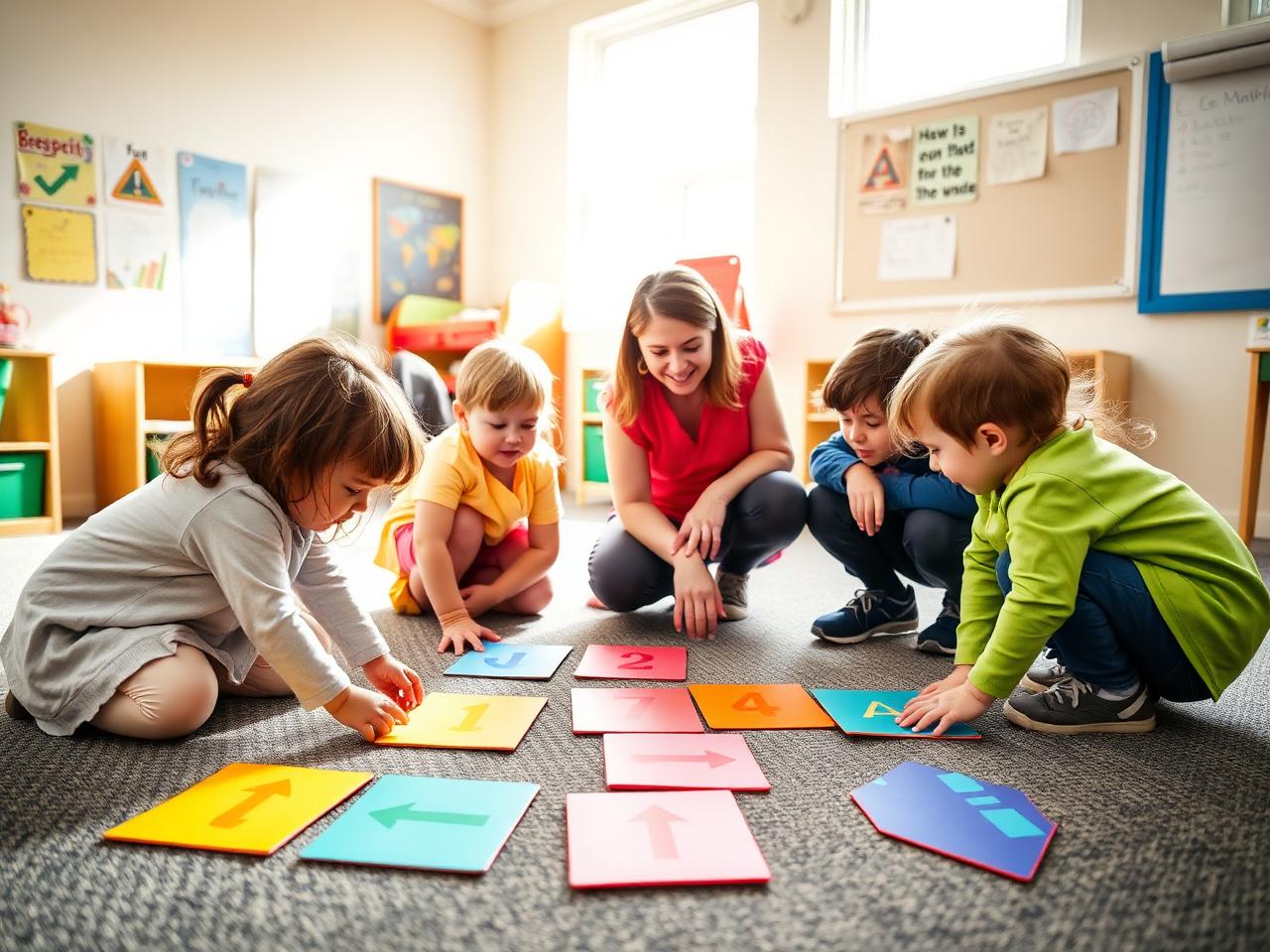
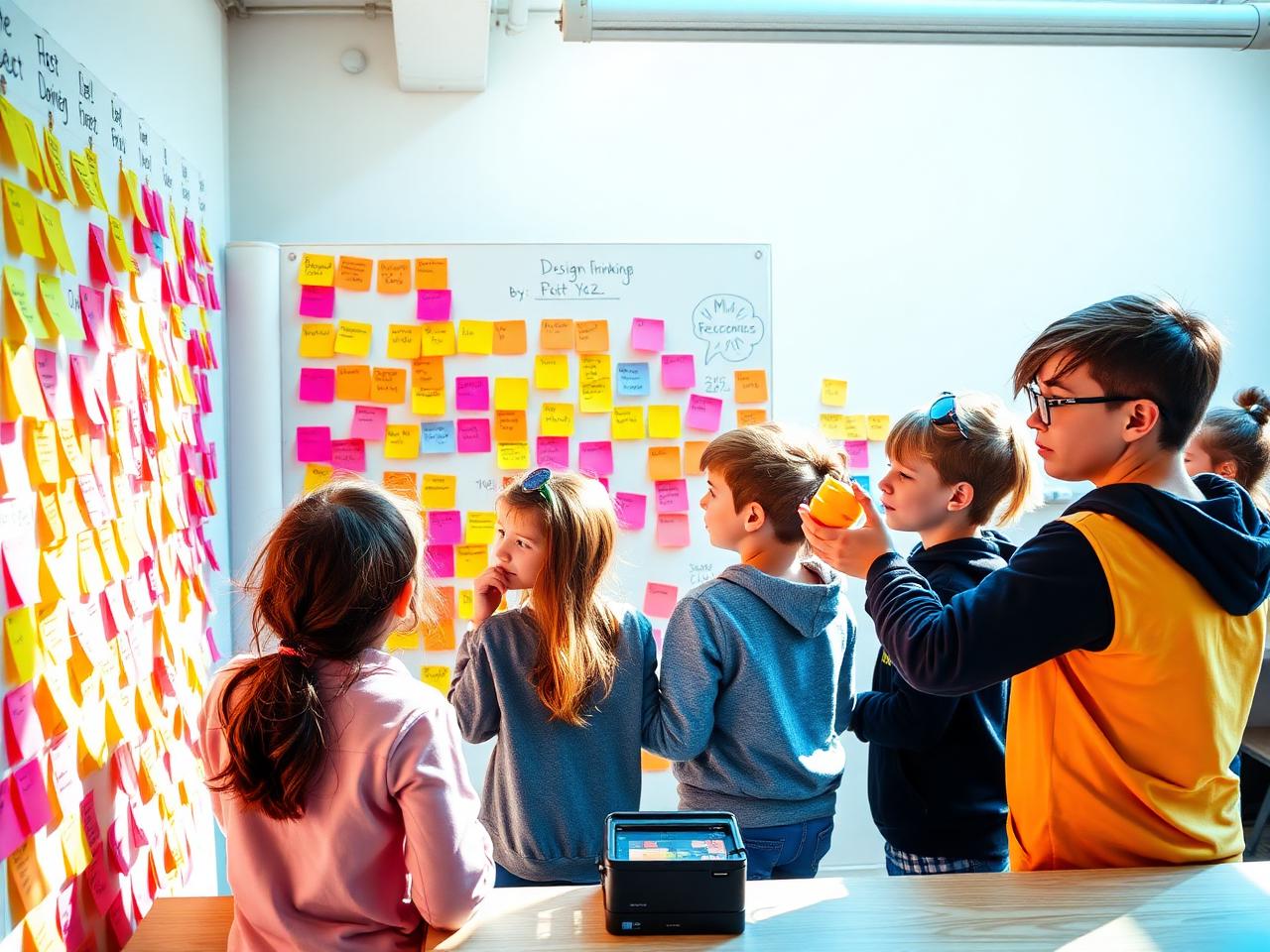
Six classroom blocks. One belief — children should build with AI, not just consume it.
The same AI engine our curriculum team uses internally. Standards-aligned, grade-tuned, and tested with 100+ partner schools. Free, no signup.
Quick prompts
The 11 specialisations
Eleven technological streams stacked into one living shelf. Glide your cursor down — each one expands to show what children build inside.
Foundations Grade 3–5 · Formal stream Grade 6–12. The defining technical literacy of this generation.
Grade 1–12. Mechanical design, electronics, embedded code and creative problem-solving on one workbench.
Grade 1–12. From a single LED to live cloud dashboards built around the UN SDGs.
Grade 1–12. The foundational discipline that precedes and informs every other STEAM stream.
Grade 1–12. Building with technology, not merely using it — from first webpage to deployed app.
Grade 1–12. The five-stage human-centred process — with a 3D printing strand from Grade 5.
Grade 1–12. Biology, Chemistry and Physics in integrated progression — practised, not delivered.
Grade 10–12. From cryptographic hashing to Solidity contracts on Ethereum testnets.
Grade 11–12. First-principles superposition and entanglement, then real circuits on IBM hardware.
Grade 10–12. Neuronal physiology, plasticity, attention — and the biological basis of artificial neural networks.
Grade 7–12. From digital safety and cryptography to penetration testing, CTF and professional-format reporting.
Our promise
We will never bore a child in the name of rigour. We will never replace a teacher with a chatbot. And we will never publish a curriculum we wouldn't put our own children through.
Signed
"Built by parents, for every child."
— The NASCA team
Where you fit
One real story
"My students stopped asking 'will this be in the test' and started asking 'can we build it next week'. That was the moment I knew this was different."
— Anjali Verma, Science Lead, Heritage School (Bengaluru). Joined NASCA's AI Institute, March 2026 cohort.
Next AI Institute cohort
First Monday, every month
Six tracks: teachers · students · administrators · schools · college teams · individuals. Curriculum re-versioned for each batch.
See the next cohort →From the journal

The pressure of Olympiads in India is immense, but what truly matters is not just the medals, but the cultivation of a scientific temper and critical thinking.

The promise of AI in education rings hollow if we only teach AI to those already inclined. We need to break down the walls and invite a broader chorus.

AI is quietly transforming how we assess learning, moving beyond traditional tests to capture a richer tapestry of student understanding and skill. This shift demands careful consideration and thoughtful implementation.

Singapore's AI journey is often framed by its 'Smart Nation' discourse. But beneath the polished surface, a more nuanced, deeply human revolution is taking place in classrooms and research labs, shaping the very definition of intelligence.

The UK is quietly leading a revolution in AI education policy, shaping how future generations will learn and interact with artificial intelligence.

A new era of homeschooling is emerging, one that challenges traditional classroom models and demands deeper parental involvement. This piece explores how this evolving landscape, particularly in the United States, is reshaping the very definition of learning and community.

In Abu Dhabi, the intersection of algorithms and artistry is reshaping education. This piece explores how AI-driven STEAM projects are fostering a new generation of creators, blending traditional aesthetics with computational thinking.

India's teachers are the bedrock of its future, yet professional development often remains an afterthought. It's time to move beyond perfunctory workshops and empower educators to truly shape the next generation.

The pressure of Olympiads in India is immense, but what truly matters is not just the medals, but the cultivation of a scientific temper and critical thinking.

The promise of AI in education rings hollow if we only teach AI to those already inclined. We need to break down the walls and invite a broader chorus.

AI is quietly transforming how we assess learning, moving beyond traditional tests to capture a richer tapestry of student understanding and skill. This shift demands careful consideration and thoughtful implementation.

Singapore's AI journey is often framed by its 'Smart Nation' discourse. But beneath the polished surface, a more nuanced, deeply human revolution is taking place in classrooms and research labs, shaping the very definition of intelligence.

The UK is quietly leading a revolution in AI education policy, shaping how future generations will learn and interact with artificial intelligence.

A new era of homeschooling is emerging, one that challenges traditional classroom models and demands deeper parental involvement. This piece explores how this evolving landscape, particularly in the United States, is reshaping the very definition of learning and community.

In Abu Dhabi, the intersection of algorithms and artistry is reshaping education. This piece explores how AI-driven STEAM projects are fostering a new generation of creators, blending traditional aesthetics with computational thinking.

India's teachers are the bedrock of its future, yet professional development often remains an afterthought. It's time to move beyond perfunctory workshops and empower educators to truly shape the next generation.
A note from the team
If you've read this far, thank you. NASCA is a small team doing big work in quiet rooms across seven countries. If anything here speaks to you, write to us directly. We read every email.
— The NASCA team
Write to us →