The Dhow and the Drone: Crafting Futures in Emirati Classrooms
From Dubai’s bustling souks to the quiet vastness of the Liwa desert, STEAM projects in the UAE are not merely theoretical exercises. They are blueprints for a future deeply rooted in heritage, yet boldly embracing innovation.
In a sun-drenched classroom overlooking the shimmering expanse of the Arabian Gulf in Sharjah, twelve-year-old Fatima carefully calibrates a small, wheeled robot. Its mission: navigate a miniature replica of Al Fahidi Historical Neighbourhood, delivering a coded message between tiny, 3D-printed wind towers. This isn't just a robotics lesson; it’s a living bridge between the meticulous craftsmanship of her ancestors and the digital dexterity of her generation. Her teacher, Mr. Ahmed, a veteran educator who once taught only by chalk and blackboard, watches with a quiet pride. He has seen the transformation, not just in the tools, but in the children's eyes.
The UAE, a nation built on vision and an almost audacious pursuit of tomorrow, understands that STEAM education is not an elective, but an imperative. It's not about simply acquiring skills, but about fostering a mindset. Think of the intricate patterns woven into a traditional Sadu rug; each thread, each colour, a deliberate choice forming a cohesive, beautiful whole. STEAM projects in Emirati schools are much the same, interweaving science, technology, engineering, art, and mathematics into a fabric of understanding that is both practical and deeply imaginative.
Beyond Rote Learning: The Hands-On Imperative
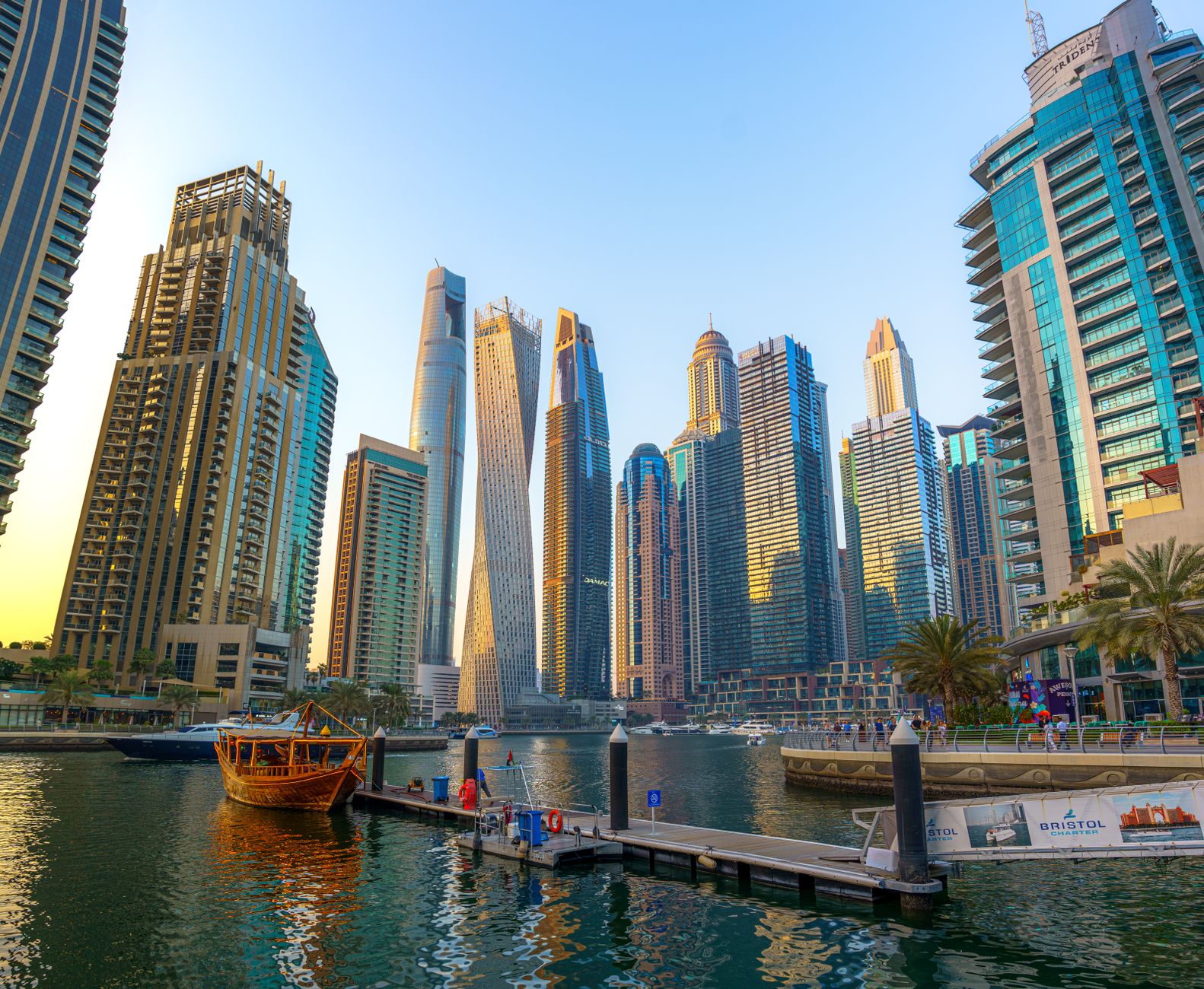
The clamour for hands-on learning isn’t new, but in the context of the Emirates, it carries particular weight. Here, where megaprojects rise from the desert almost overnight, where the world’s tallest buildings pierce the sky, and where even a simple journey can involve autonomous vehicles, merely memorizing facts about these phenomena is insufficient. Students must build, design, and iterate. They must grapple with the physics of a skyscraper, the algorithms of a self-driving car, and the aesthetics of sustainable desert architecture. This requires tangible engagement, not just textbook theories.
In Abu Dhabi, I recently visited a school where primary students were designing hydroponic gardens tailored for the arid climate. Using sensors to monitor soil moisture and nutrient levels, they learned about botany, environmental science, and data analysis, all while growing their own salad greens. This wasn’t a simulation; it was a mini-farm, a testament to practical problem-solving. This approach ensures that learning isn’t confined to the classroom walls, but extends into their homes and communities, fostering a sense of ownership over their environment and their future.
Cultural Anchors in a Digital Sea
What truly sets the UAE’s approach apart is its commitment to anchoring these futuristic endeavours in its rich cultural heritage. It’s not about stripping away tradition for the sake of progress; it
Frequently asked
The UAE uniquely integrates its rich cultural heritage with advanced technological education, ensuring projects are rooted in local context while embracing global innovation. This often involves blending traditional crafts or historical problem-solving with modern STEAM applications.
The UAE government and various educational institutions are making significant strides to ensure equitable access to STEAM education, through initiatives and infrastructure development across all emirates, including public and private schools.
By fostering critical thinking, problem-solving, and hands-on skills, these projects prepare students for diverse and rapidly evolving career fields in technology, engineering, design, and even entrepreneurship. They equip them with the adaptability valued in the modern workforce.
Parents can encourage curiosity, provide opportunities for hands-on exploration at home (even with simple household items), visit science centres, and engage with their children about the real-world applications of what they are learning in school.
Art (the 'A' in STEAM) is crucial for fostering creativity, design thinking, and aesthetic appreciation. In the UAE, this often means drawing inspiration from traditional Islamic art, calligraphy, architecture, and even storytelling to infuse projects with cultural depth and innovative design.
One piece of writing on AI in education. Every Monday morning. From the editors of NASCA, in seven countries. No spam, unsubscribe in one click.
Bring NASCA to your school.
If this piece resonated, the next step is a conversation. A real person from our team will reply within one working day.