AI Tutors: Learning Beyond the Textbook
Intelligent tutoring systems are moving past basic digital worksheets to provide truly personalized learning. This shift is changing how students engage with challenging subjects worldwide.
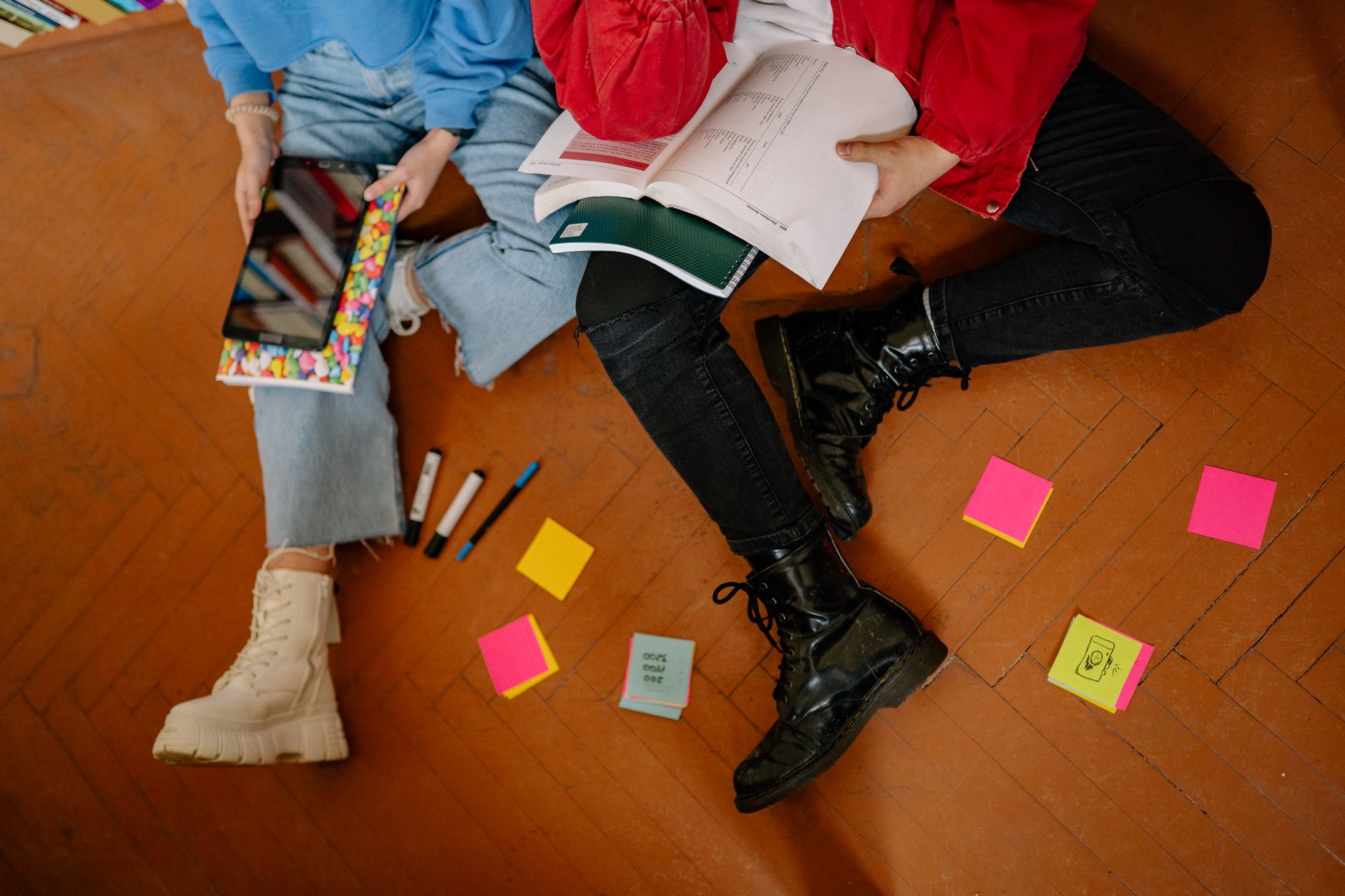
In a Delhi classroom, an eleven-year-old student, Anjali, once grappled with geometry, her textbook offering little more than static problems. Her teacher managed dozens of other students, each with unique learning paces and questions. This familiar scenario, played out in countless schools, underscores the persistent challenge of providing truly individualized instruction.
Today, sophisticated intelligent tutoring systems are moving beyond simple digital exercises. These platforms are becoming powerful AI companions, delivering a degree of customized learning previously available only through one-on-one instruction. Far from being just another gadget, these systems are redefining what's possible in education, adapting to each student's progress and comprehension in real time.
What truly sets these systems apart isn't just their ability to deliver content, but their adaptive intelligence. Consider a student in a remote Kenyan village, connecting to a system via a low-bandwidth tablet. The AI doesn't just present a lesson; it observes, learns, and responds. It notes a hesitation, a repeated error, and pivots its approach, perhaps offering a different explanation, a simpler example, or even a brief, encouraging animation. This is not rote programming but a nuanced, algorithmic dance between learner and machine, designed to identify and address misconceptions before they calcify into ingrained errors.
NASCA's own research, spanning classrooms from Singapore to San Francisco, has consistently shown that well-designed intelligent tutoring systems lead to demonstrable improvements in student outcomes, particularly in foundational subjects. The key lies in their capacity to provide immediate, targeted feedback, a luxury rarely afforded by overburdened human educators.
Beyond the Screen: Real-World Impact
The impact extends beyond mere test scores. In a Liverpool primary school, a trial of an AI-powered reading tutor saw an 18% increase in reading comprehension among struggling learners within six months. This wasn't just about decoding words, but fostering a genuine engagement with the text, nurtured by a patient, non-judgmental digital guide. In a university setting in Abu Dhabi, engineering students using an advanced mathematics tutor reported a significant reduction in study-related anxiety, feeling more empowered to tackle complex problems at their own pace.
These systems are not replacements for teachers; they are powerful augmenters. They free up Ms. Grace Lim in Delhi to focus on collaborative projects, emotional support, and the broader social development of her students, while the AI handles the granular diagnostic work. The teacher becomes a facilitator, a mentor, rather than solely a dispenser of information.
The Promise and the Peril of Personalization
Of course, the promise comes with caveats. The quality of these systems varies wildly. A truly intelligent tutor requires robust pedagogical design, ethical AI principles, and careful integration into the curriculum. Concerns around data privacy, algorithmic bias, and the potential for over-reliance on technology are legitimate and demand continuous scrutiny. We must ensure these tools serve to amplify human potential, not diminish it.
The quiet revolution of intelligent tutoring systems is still in its early chapters. Yet, the evidence from classrooms worldwide, from the bustling streets of Mumbai to the serene campuses of Harvard, suggests a profound shift is underway. It is a shift towards a future where personalized learning is not an exclusive privilege but a universal reality, powered by algorithms that understand, adapt, and gently guide each learner on their unique educational journey.
Editor's note, Revisited August 2026. The core argument here still holds; the schools we work with continue to report the same patterns.
Frequently asked
No, they augment teachers. These systems handle individualized diagnostic work and feedback, freeing up educators to focus on higher-level teaching, emotional support, and collaborative learning. They are tools to enhance, not substitute, human instruction.
They observe student interactions, identify learning patterns, strengths, and weaknesses. Based on this data, they adapt content, explanations, and exercises in real-time, providing targeted support and guidance at the individual pace of the learner.
They are particularly effective in subjects with clear rules and structured content, such as mathematics, science, and language acquisition. However, their capabilities are rapidly expanding into more complex and open-ended disciplines.
Key concerns include data privacy, potential algorithmic bias that could perpetuate inequities, the quality of pedagogical design within the system, and ensuring that technology enhances rather than detracts from human interaction and critical thinking skills.
Effective implementation requires careful selection of high-quality systems, robust teacher training, thoughtful integration into the existing curriculum, and continuous assessment of their impact on student learning outcomes and engagement.
One piece of writing on AI in education. Every Monday morning. From the editors of NASCA, in seven countries. No spam, unsubscribe in one click.
Bring NASCA to your school.
If this piece resonated, the next step is a conversation. A real person from our team will reply within one working day.