AI in Classrooms: Smarter Teaching, Not Robot Teachers
This piece uncovers the subtle yet profound ways AI is becoming an indispensable tool in classrooms, extending teachers' capabilities and enriching student learning.
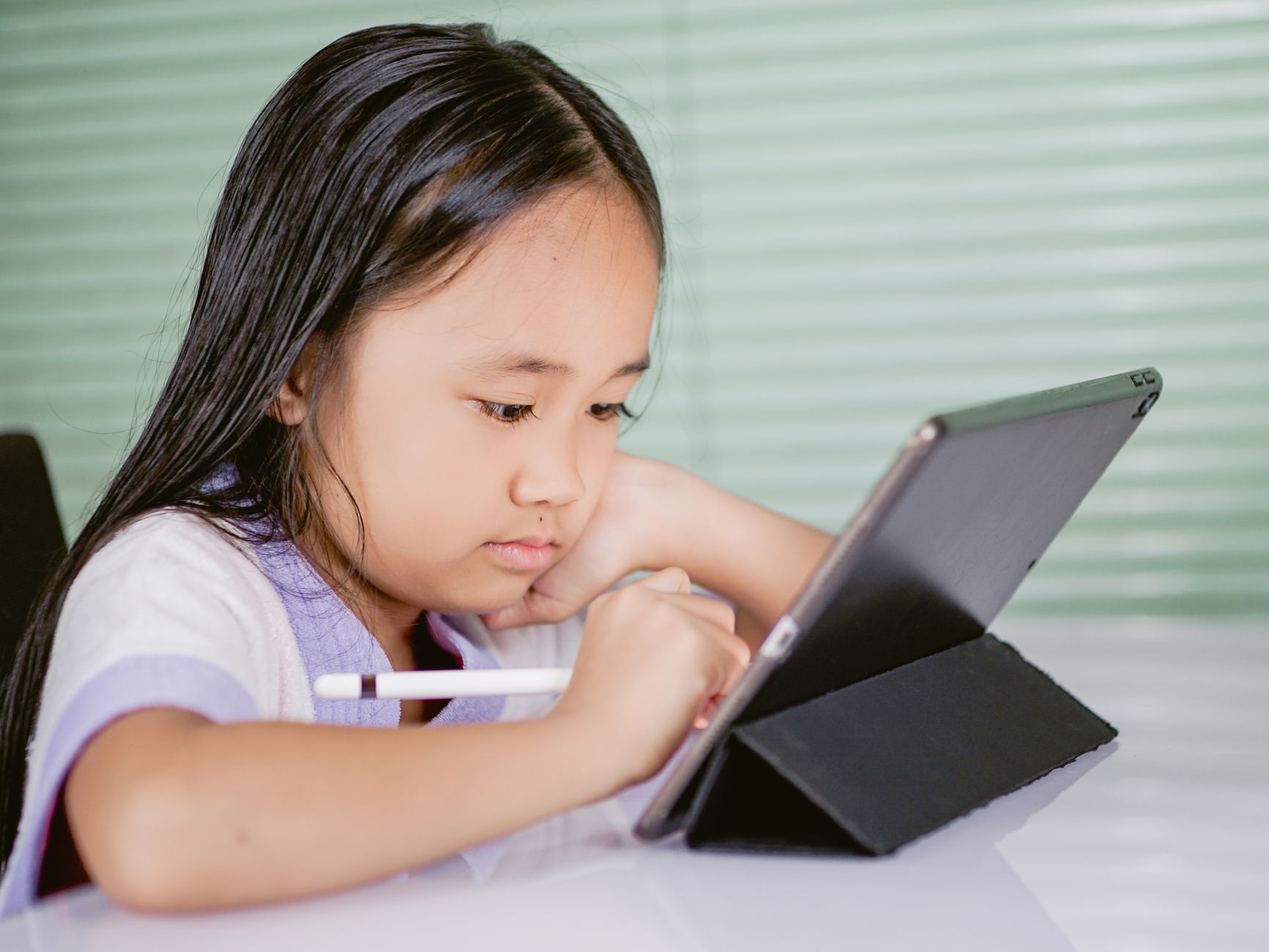
Singapore's National Institute of Education, 2026. Professor Lee, a veteran of curriculum design, observes a generative AI draft lesson plans for a history class. These aren't generic plans; they're tailored to the individual learning styles and cultural backgrounds of a hypothetical cohort of Singaporean, Malaysian, and Indonesian students. The AI suggests primary sources in Malay, links to relevant documentaries from Jakarta, and proposes discussion prompts acknowledging the region's complex colonial past. Professor Lee, initially a skeptic, now acknowledges its potential. The future, he sees, is not a robot teacher, but a profoundly intelligent, tireless assistant.
This isn't a dramatic, sweeping overhaul visible overnight. Instead, it's a steady evolution, unfolding in classrooms from Dubai to Detroit. The early excitement about AI replacing human educators has matured into a more practical understanding. We are seeing AI emerge as a powerful, essential tool that expands the reach and abilities of teachers, rather than diminishing their role.
The Invisible Hand of AI-Powered Personalisation
Consider the arithmetic lessons in a Riyadh primary school. A student struggles with fractions. Historically, this might mean extra tutoring sessions or differentiated worksheets. Now, AI-powered diagnostic tools observe the student's progress, not just on correct answers, but on problem-solving strategy. It identifies common misconceptions, perhaps a fundamental misunderstanding of division, and then generates bite-sized, interactive exercises specifically addressing that gap. This isn't about endless drills; it's about precision intervention. The teacher, freed from tedious diagnostic work, can dedicate more time to actual instruction and emotional support.
In many ways, this is the true promise of AI in education: hyper-personalisation at scale. Our own research at NASCA, tracking students in diverse settings from Nairobi to Newcastle, shows a significant uplift in engagement and comprehension when learning pathways are dynamically adapted to individual needs. This isn't a one-size-fits-all digital textbook; it's a living, breathing curriculum that responds to each learner.
Beyond the Bell: AI in Curriculum Design
The impact extends beyond the classroom bell. Curriculum development, once a laborious, committee-driven process, is being transformed. Imagine a ministry of education in India commissioning a new science curriculum. Generative AI models can now analyze vast datasets of educational research, international best practices, and even real-time student performance data to propose frameworks. It can identify gaps, suggest innovative pedagogical approaches, and even predict potential learning challenges. This doesn't mean surrendering agency to algorithms. It means empowering human experts with unprecedented insights, allowing them to build more robust, relevant, and future-proof curricula.
"The most profound technologies are those that disappear. They weave themselves into the fabric of everyday life until they are indistinguishable from it." This quote, often attributed to Mark Weiser, perfectly encapsulates AI's trajectory in education. It's becoming an invisible infrastructure, supporting and enhancing the human element.
The Teacher as Architect, Not Apprentice
The role of the teacher is evolving from content deliverer to learning architect. They are no longer solely responsible for imparting information that is readily available elsewhere. Instead, they curate, guide, mentor, and inspire. AI handles the grunt work, the grading of routine assignments, the tracking of student progress, the generation of practice problems. This frees teachers to focus on the uniquely human aspects of education: fostering critical thinking, nurturing creativity, developing emotional intelligence, and building meaningful relationships. The human touch, far from being replaced, is amplified.
The quiet revolution of AI in classrooms is not about replacing human wisdom with silicon. It is about amplifying human wisdom with silicon. It means brighter, more equitable futures for students, and more fulfilling, impactful careers for educators. The classrooms of 2026, from Sharjah to Seattle, are echoing with a new, subtle hum, the sound of intelligence, both human and artificial, working in concert.
Frequently asked
No, AI is not replacing teachers. Instead, it is augmenting their capabilities by handling repetitive tasks, providing personalised learning insights, and assisting with curriculum design, allowing teachers to focus on higher-order teaching and student support.
AI personalizes learning by analyzing individual student progress, identifying specific learning gaps or misconceptions, and then generating tailored exercises, resources, and learning pathways to address those needs. This adapts the curriculum dynamically to each student.
Common AI tools in classrooms include diagnostic assessment software, adaptive learning platforms, generative AI for lesson plan creation and resource generation, and AI-powered tutoring systems for specific subject areas. These tools vary across countries but share common principles.
Not necessarily. While access to technology is a concern, AI has the potential to *reduce* inequalities by providing high-quality, personalized instruction to students in underserved areas who might not otherwise have access to specialist teachers or resources. Careful, equitable implementation is key.
NASCA conducts research, publishes findings, and provides accreditation for STEAM education practices that responsibly integrate AI. We work with educators and policymakers across seven countries to ensure AI's benefits are realised ethically and effectively in classrooms.
One piece of writing on AI in education. Every Monday morning. From the editors of NASCA, in seven countries. No spam, unsubscribe in one click.
Bring NASCA to your school.
If this piece resonated, the next step is a conversation. A real person from our team will reply within one working day.