Kolkata Schools Embrace Critical Thinking Over Gadgets
In Kolkata, a new educational philosophy is taking root, emphasizing critical thinking and sustainable learning over mere technological integration. This shift offers a blueprint for meaningful pedagogical innovation across India.
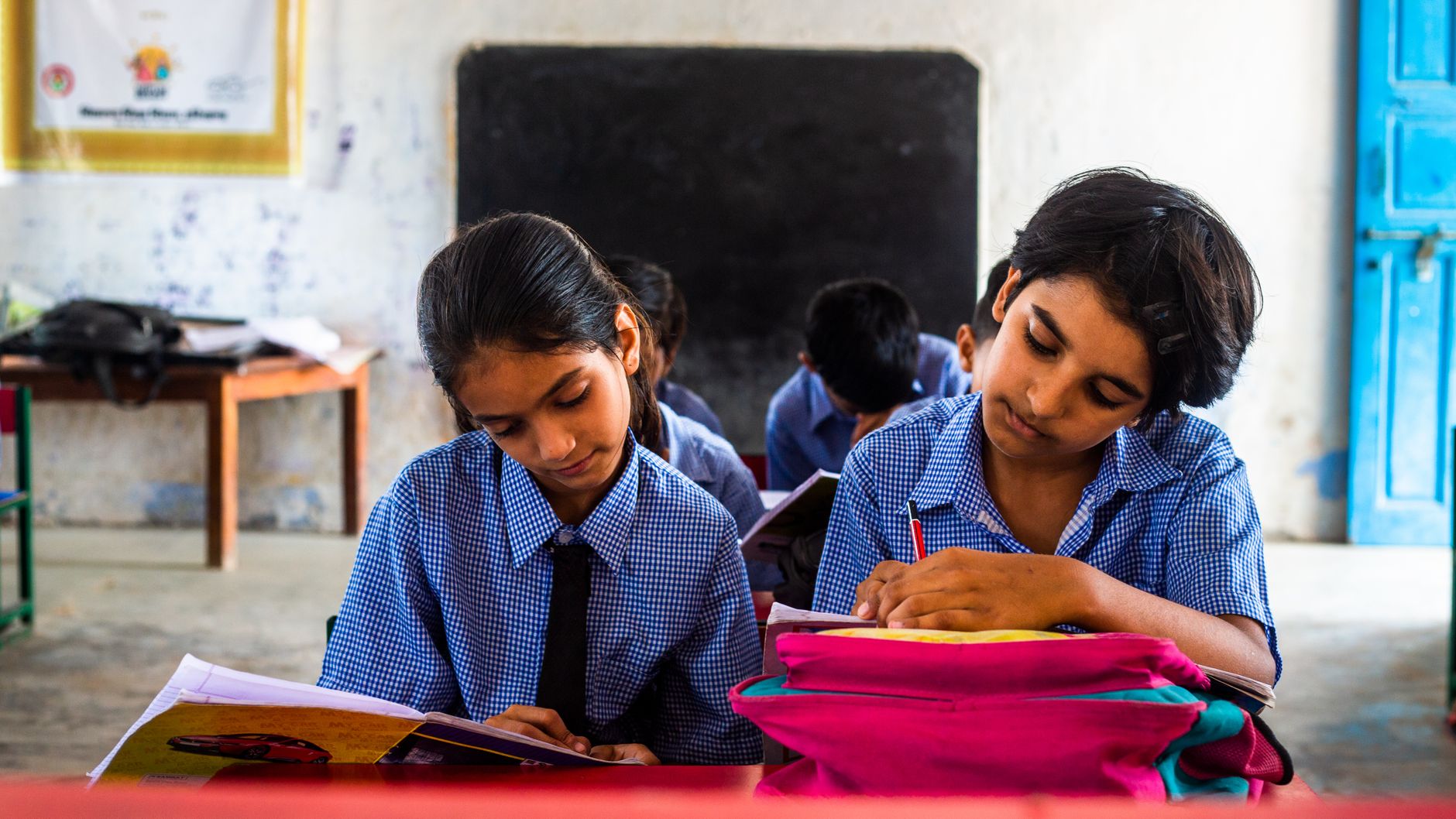
In a South Kolkata classroom, a student named Anya illustrates the intricacies of a neural network, not from a textbook, but from a diagram she drew herself. Her explanation, detailing mathematical operations with surprising clarity, happens not in a tech incubator, but during a typical Tuesday afternoon at a government-aided school.
For too long, the conversation around technology in education has centered on gleaming devices and promises of instant progress. We’ve seen projectors sit unused in schools lacking consistent electricity. We’ve witnessed expensive tablets become paperweights when content isn't relevant or accessible. The reality, as observed in Kolkata, points to a more profound, less flashy shift in education.
Beyond the Gadget: The Mind as the Machine
The real revolution isn’t in the hardware; it’s in the human mind. The most powerful technology in education remains the ability to think critically, to problem-solve, to question. Anya, with her hand-drawn neural network, exemplifies this. Her teacher, Mr. Arun Menon, didn’t hand her an algorithm. She handed her a problem, how do we make a computer "learn" from data? The tools were incidental; the inquiry was everything.
This approach aligns with what we’ve long championed at The NASCA Journal. Our work in rural Maharashtra, for example, focused not on deploying vast quantities of code, but on empowering teachers to cultivate computational thinking without a single computer. We found that the conceptual frameworks of algorithms, data structures, and logical reasoning could be taught through storytelling, traditional games, and even household chores. The digital divide, in this framing, becomes less about access to devices and more about access to a certain way of thinking.
The Teacher as Architect of Thought
Mr. Arun Menon, like many innovative educators across India, understands that her role is no longer merely to transmit information. In an age where information is ubiquitous, her task is to teach discernment. She is an architect of thought, designing environments where curiosity can flourish, where mistakes are seen as stepping stones, and where students are encouraged to build their own understanding.
This requires a significant philosophical shift. It means moving away from rote memorization and towards project-based learning, inquiry-based science, and collaborative problem-solving. It demands that teachers are not just equipped with digital skills, but also with pedagogical strategies that foster deep learning. The professional development of teachers, therefore, becomes paramount, not just in how to use a new app, but in how to inspire a new generation of thinkers.
"The purpose of education is not to fill a mind, but to light a fire." This ancient wisdom feels remarkably current in the context of AI-driven tools, which risk over-automating the very process of intellectual discovery.
Sustainable Innovation: A Local Blueprint
India, with its vast diversity and unique challenges, cannot simply import educational models from elsewhere. The future of learning here must be rooted in local contexts, resources, and cultural nuances. The Kolkata example, focused on cultivating critical thought over costly gadgets, offers a sustainable blueprint.
It’s about making do with what’s available, whether it’s a blackboard and chalk, or a single shared computer, and maximizing its pedagogical impact. It’s about leveraging the incredible human capital of our educators and nurturing the innate curiosity of our students. The quiet revolution isn't just happening in Kolkata; it’s a silent ripple spreading through classrooms in Bengaluru, Chennai, and Delhi, promising a future where education isn't just about information recall, but about empowering minds to shape the world.
The real transformation in Indian education, then, is not measured in gigabytes or processing power. It is measured in the growth of a child’s capacity to ask deep questions, to wrestle with complex ideas, and to discover the joy of genuine understanding. This silent, intellectual awakening is, perhaps, the most powerful technology of all.
Frequently asked
No, quite the opposite. This philosophy emphasizes leveraging existing resources and fostering critical thinking without reliance on expensive technology, making it highly adaptable for all schools.
Teacher training should move beyond technical skills to focus on pedagogical strategies for inquiry-based learning, problem-solving, and fostering critical thought, using locally relevant examples and tools.
AI, when understood conceptually rather than just as a tool, can be integrated to deepen critical thinking. The focus is on understanding *how* AI works, not just *using* AI tools, allowing students to question and even design future applications.
Absolutely. By emphasizing critical thinking, problem-solving, and conceptual understanding, this approach nurtures the foundational skills vital for success in any future economy, rather than focusing on transient technical skills which quickly become outdated.
The NASCA Journal has long advocated for an educational approach that prioritizes foundational understanding and critical thinking over pure technological adoption. Our work in various regions, including rural Maharashtra, has demonstrated the power of this philosophy in diverse settings.
One piece of writing on AI in education. Every Monday morning. From the editors of NASCA, in seven countries. No spam, unsubscribe in one click.
Bring NASCA to your school.
If this piece resonated, the next step is a conversation. A real person from our team will reply within one working day.