Singapore deploys robots in classrooms
Singapore, a nation built on futures, is quietly deploying robots not just in factories, but in classrooms, hospitals, and homes. This isn't science fiction; it’s a living blueprint for an AI-integrated society.
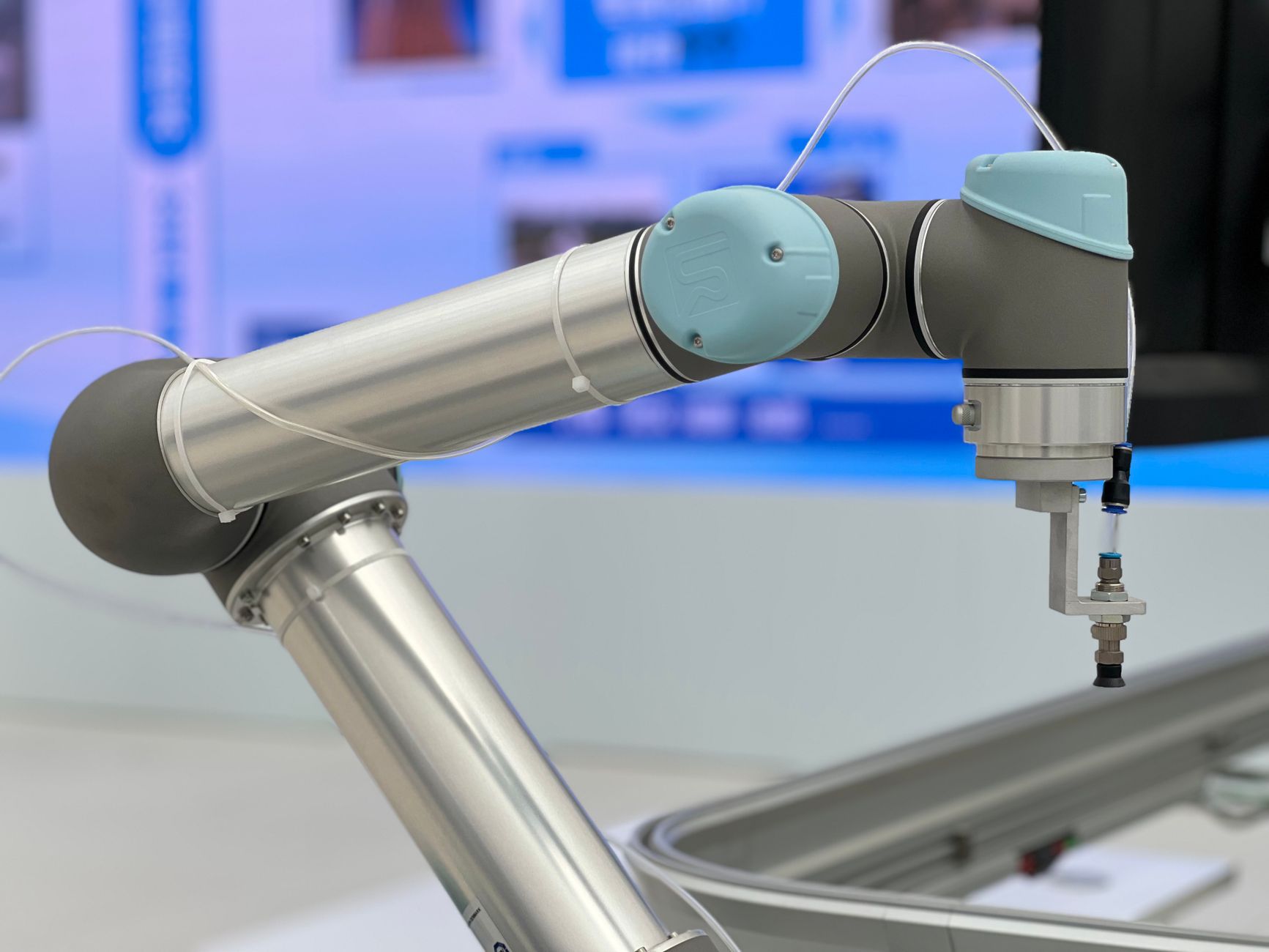
When the bell rings at 3 PM in a primary school classroom in Jurong West, it's not just children who pack their bags. A small, wheeled robot, its camera-eye swiveling, begins its rounds, sanitising desks and chairs. This isn't a demonstration unit; it's a permanent fixture. Singapore, a nation built on futures, is quietly deploying robots not just in factories and logistics hubs, but in its most intimate spaces: classrooms, hospitals, and homes. This isn’t science fiction, but a living blueprint for an AI-integrated society.
Singapore’s approach to robotics is less about flashy headlines and more about systematic integration. Walk through Changi Airport, and you might encounter autonomous cleaning machines. Visit a modern hawker centre, and robotic arms assist in dishwashing. These aren't isolated pilot projects. They are part of a national strategy, a quiet revolution orchestrated with precision, intent, and a deep understanding of its own demographic realities.
The Scarcity-Driven Ingenuity
Singapore, a small island nation, faces perennial challenges: land scarcity, labour shortages, and an aging population. These formidable constraints, rather than stifling ambition, have historically fuelled unparalleled ingenuity. Robotics, for Singapore, is not a luxury or a trendy experiment; it is an existential necessity. The government’s investment in robotics research and development is substantial, a testament to this conviction.
Consider the healthcare sector. Robots are assisting nurses with mundane, repetitive tasks, freeing up human staff for more complex patient care. In eldercare facilities, companion robots provide social interaction and monitor vital signs. This isn't about replacing humans but augmenting their capabilities, extending the reach of care in a society where the elderly population is growing at an alarming rate.
Education: Preparing for a Robotic Future
What truly distinguishes Singapore's approach is its foresight in education. Children as young as primary school are exposed to robotics and coding. The emphasis is not merely on operating robots, but on understanding their underlying principles and ethical implications. This isn’t about creating a nation of robotic engineers; it’s about fostering computational thinking and problem-solving skills vital for any future citizen.
The Ministry of Education’s curriculum frameworks are quietly evolving, integrating AI literacy and robotics at various levels. It's a pragmatic recognition that the future workforce will interact with intelligent machines constantly. Ignoring this shift would be to disadvantage an entire generation. NASCA's own work in regional STEM hubs has shown similar shifts in curriculum priorities, but Singapore’s top-down, cohesive approach remains exemplary.
Beyond the Hype: Practical Integration
Many nations discuss the potential of AI and robotics. Singapore implements it. The sheer density of robotic applications, from automated parking systems to robotic waste collection, speaks volumes. This widespread deployment, however, is not without its anxieties. Questions around job displacement, data privacy, and the human element in an increasingly automated world are valid and actively debated within Singaporean society.
The discussions, though, are rooted in practicality, not fear. How can these technologies be best optimised? How can retraining programmes be most effective? The focus remains on solutions, on adaptation, and on ensuring Singapore remains competitive and liveable in a world reshaped by intelligent machines. It’s a delicate balance, one that Singapore seems uniquely positioned to strike.
Singapore’s quiet robot revolution offers a compelling blueprint. It's an example of how a nation, facing profound demographic and resource challenges, can strategically embrace advanced technology not as a panacea, but as an integral part of its unfolding identity. The future, it seems, isn't just arriving in Singapore; it's being meticulously assembled, piece by robotic piece, on its tiny, industrious island.
Frequently asked
Singapore's strategy focuses on using robots to augment human capabilities, especially in sectors facing labour shortages or for repetitive tasks. The aim is to free up human workers for more complex, higher-value roles, not to eliminate jobs entirely.
From primary school onwards, Singapore integrates robotics and coding into its curriculum. The goal is to develop computational thinking and problem-solving skills, preparing students to interact effectively with intelligent machines throughout their lives, rather than just training engineers.
Key challenges include managing potential job displacement through effective retraining, addressing concerns around data privacy, and ensuring the human element and social interaction are maintained in an increasingly automated society. Discussions are focused on finding practical solutions to these issues.
While Singapore's unique challenges (land, labour, aging population) drive its specific approach, the underlying principles of strategic technology integration, educational foresight, and pragmatic problem-solving can offer valuable lessons for any nation considering advanced automation.
Singapore is widely considered a leader in the pragmatic and widespread deployment of AI and robotics across various sectors, from public services to industry and daily life. Its cohesive national strategy and significant investments set a high benchmark for integration and future-proofing.
One piece of writing on AI in education. Every Monday morning. From the editors of NASCA, in seven countries. No spam, unsubscribe in one click.
Bring NASCA to your school.
If this piece resonated, the next step is a conversation. A real person from our team will reply within one working day.