
The Unseen Curriculum of Play
Beyond flashcards and structured lessons, the profound education embedded in everyday play is often overlooked in American childhood education.
Imagine a Tuesday afternoon in suburban Philadelphia. Ten-year-old Maya, her hair perpetually in a state of joyful disarray, is meticulously constructing a miniature city from recycled cardboard boxes in her backyard. Her younger brother, Leo, seven, acts as the chief engineer, offering unsolicited advice on structural integrity for the spaghetti-stick bridges connecting their imagined districts. Their parents, both engineers themselves, might glance out the window and see 'just play.' But watch closely. Maya is grappling with spatial reasoning, problem-solving under self-imposed constraints, and negotiating with a demanding client (Leo). Leo, in turn, is learning the delicate art of collaboration, the physics of balance, and the limits of his own patience.
This scene, replicated in countless backyards and living rooms across the United States, is where a profound, often overlooked, curriculum unfolds. We, as adults, have become so enamored with formal metrics and pre-packaged learning that we’ve sometimes forgotten the bedrock upon which genuine understanding is built: unstructured, imaginative play. The American educational landscape, particularly in its earlier years, has, at times, become a conveyor belt of assessments, sight words, and STEM kits, valuable in their own right, but sometimes at the expense of what happens when children are simply left to be.
The Architects of Tomorrow's Thought
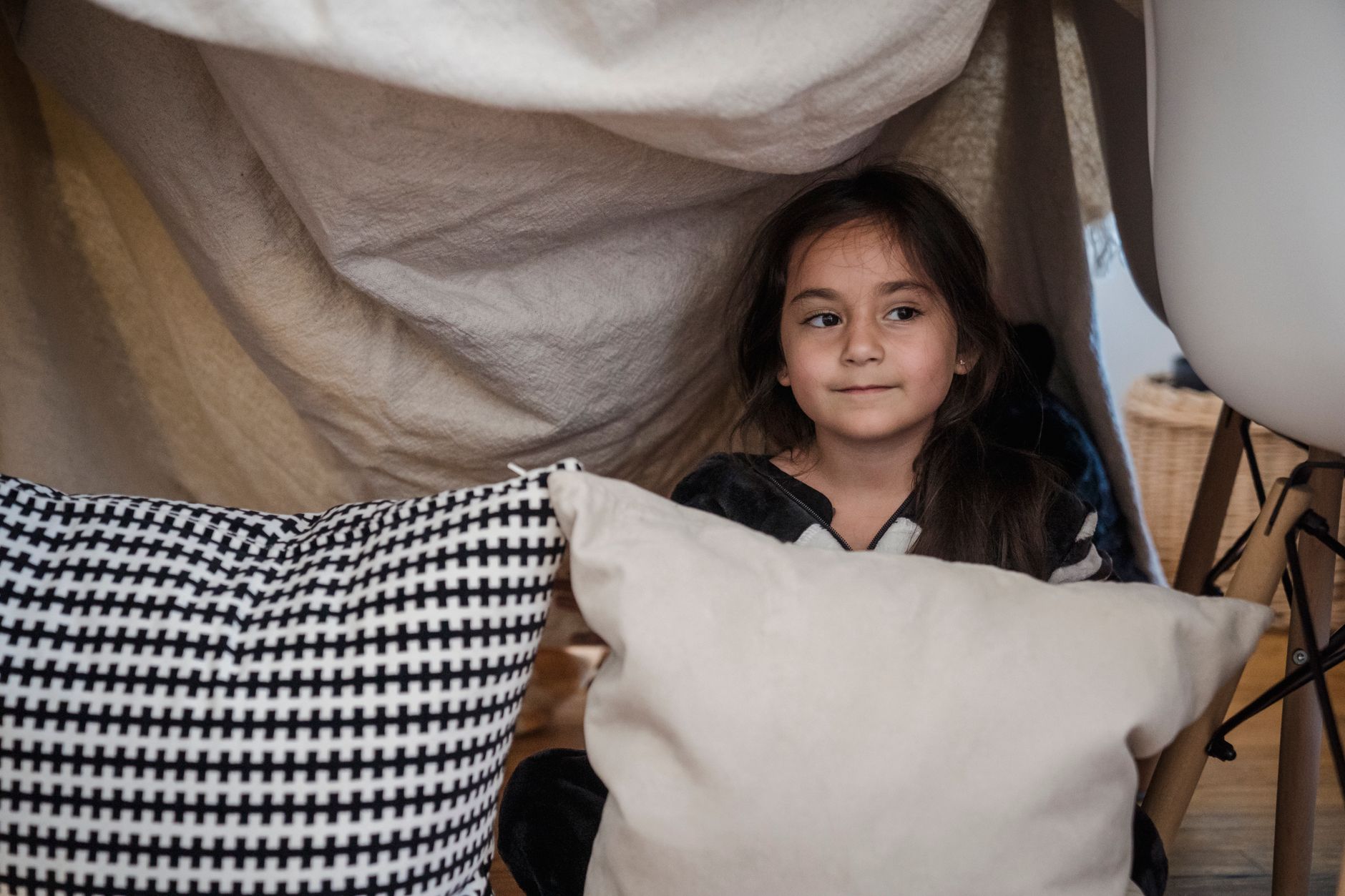
When a child builds a fort, they are not just stacking cushions. They are designing, iterating, testing hypotheses about gravity and load-bearing. When they engage in pretend play, whether as an astronaut exploring Mars or a chef running a bustling restaurant, they are developing narrative skills, empathy, and social negotiation. These aren’t 'soft skills' to be neatly tucked away in an elective; they are foundational cognitive and emotional architectures upon which all future learning rests. In a world increasingly shaped by AI, where rote tasks will be automated, the uniquely human capacities fostered by play, creativity, critical thinking, adaptability, and emotional intelligence, become paramount.
Frequently asked
While some digital activities can be engaging, truly unstructured play involves more physical interaction with the environment and other people, fostering different developmental pathways than passive screen consumption.
Experts suggest several hours a day for young children, gradually diminishing but never disappearing for older children. It's about balance, ensuring dedicated time for child-led exploration.
Free play naturally introduces STEM concepts through experimentation and problem-solving. While structured STEM education has its place, undirected play provides the crucial hands-on, intuitive understanding that makes formal lessons meaningful.
It's important to offer opportunities for both. Sometimes children need a gentle nudge towards open-ended play, setting up an environment rich with materials and then stepping back.
One piece of writing on AI in education. Every Monday morning. From the editors of NASCA, in seven countries. No spam, unsubscribe in one click.
Bring NASCA to your school.
If this piece resonated, the next step is a conversation. A real person from our team will reply within one working day.