The Empathy Engine: AI, Robotics, and the Next Emirati Innovator
In the gleaming classrooms of Dubai and the research labs of Masdar City, a quiet revolution is underway. It is not merely about coding or circuit boards, but about cultivating a deeper understanding of human needs through the lens of artificial intelligence and robotics.
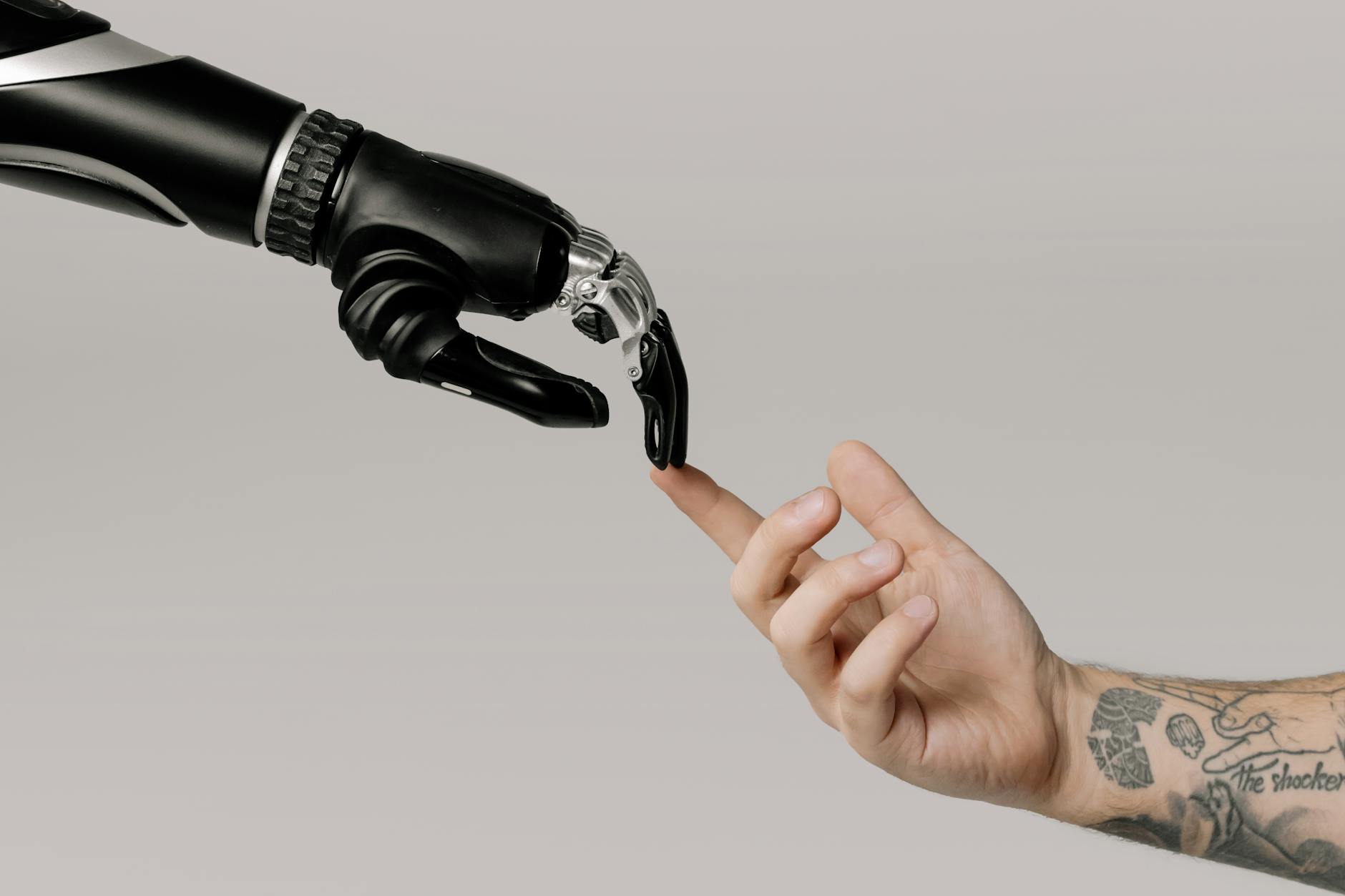
In the gleaming classrooms of Dubai, a group of Year 9 students huddled around a small humanoid robot, its optical sensors blinking. Their task: program it not just to move, but to understand. To differentiate between a child’s joyful laugh and a distressed cry. This wasn't a rote exercise in syntax; it was an exploration into the very essence of human connection, mediated by silicon and steel. This is the new face of STEAM education in the UAE, moving beyond mere technical proficiency to embrace a profound sense of purpose.
For too long, the narrative around AI and robotics in education has been dominated by efficiency, by automation, by the cold logic of algorithms. While these aspects are undeniable, and indeed crucial for a nation like the UAE charting a course for a post-oil economy, they miss the most vital ingredient: empathy. We’re not simply building smarter machines; we’re shaping smarter, more compassionate innovators.
Beyond the Algorithm: The Human Element in Robotics
The true power of STEAM, particularly in the context of emerging technologies, lies not in the creation of tools, but in their judicious application to serve humanity. Consider the healthcare sector in Abu Dhabi. Imagine bespoke robotic systems, developed by local talent, designed to assist elderly patients with mobility, not just as a mechanical aid, but as a companion capable of detecting nuances in their well-being, their emotional state. This requires more than engineering prowess; it demands a deep, ethical understanding of human fragility and dignity. Our students are learning this, not from textbooks, but by wrestling with real-world problems.
Stories from last year’s “Innovate for Good” challenge at Expo City Dubai still echo. Teams of high school students weren’t just presenting prototypes; they were articulating the why behind their inventions. A drone system designed for rapid humanitarian aid delivery in remote areas, for instance, wasn’t praised for its flight dynamics alone, but for the thoughtful consideration given to the cultural sensitivities of the communities it aimed to serve. This is where the UAE’s distinctive approach to innovation shines, a blend of advanced technology with a steadfast commitment to human values.
Crafting Solutions for a Complex Future
The future workforce in the UAE will not merely be code-literate. They will be critical thinkers, ethical designers, and empathetic problem-solvers. The sterile image of a coder isolated in a cubicle is an antiquity. Instead, envision multidisciplinary teams, sketching ideas on whiteboards in Dubai’s innovation hubs, bringing together engineers, ethicists, designers, and psychologists. Our educational institutions, from the foundational blocks of kindergarten to the advanced research of Khalifa University, are adapting to this reality.
Learning is becoming less about memorization and more about active construction of knowledge. In science labs across Sharjah, students are not just dissecting frogs; they are programming biomimetic robots, understanding biological systems by replicating them, and in doing so, gaining a respect for the intricate designs of nature. This hands-on, project-based learning fosters a unique blend of technical skill and a profound appreciation for the interconnectedness of systems.
From Inspiration to Implementation: The UAE Model
The UAE’s vision for STEAM education is not theoretical; it is deeply embedded in national strategies like UAE Centennial 2071. We see it manifest in initiatives that encourage young Emiratis to tackle global challenges with locally relevant solutions. Whether it’s developing AI models to optimize water usage in arid environments or designing robotics for sustainable urban farming in the heart of the desert, the projects are rooted in necessity and driven by ingenuity. This practical, problem-solving approach cultivates a generation of doers, not just dreamers.
The real education happens in the space between the circuit board and the human need, where technology ceases to be an end in itself and becomes a powerful amplifier of human potential and compassion. The next Emirati innovator will be defined not just by what they build, but by how deeply they understand the world they are building for.
Frequently asked
Empathy is fostered through problem-based learning where students develop solutions for real-world human needs, requiring them to consider ethical implications, cultural sensitivities, and user experience, not just technical feasibility.
Projects range from developing AI for humanitarian aid distribution, designing robotic systems for elder care, to creating sustainable agricultural solutions using robotics, always with an emphasis on the human beneficiaries.
No, the principles of empathetic innovation are integrated from early education, such as Year 9 students programming robots to understand human emotions, up through university-level research.
While global trends focus on technical proficiency, the UAE distinctively prioritizes integrating advanced technology with a strong commitment to human values and ethical considerations, aiming for compassionate innovators.
The ultimate goal is to cultivate a new generation of Emirati innovators who are not only technically adept but also deeply empathetic, capable of creating solutions that genuinely improve human lives and address complex societal challenges.
One piece of writing on AI in education. Every Monday morning. From the editors of NASCA, in seven countries. No spam, unsubscribe in one click.
Bring NASCA to your school.
If this piece resonated, the next step is a conversation. A real person from our team will reply within one working day.