AI in Every Classroom: The Unseen Algorithm
AI is no longer just for tech giants. Discover how it's subtly transforming classrooms globally, personalizing learning and empowering educators.
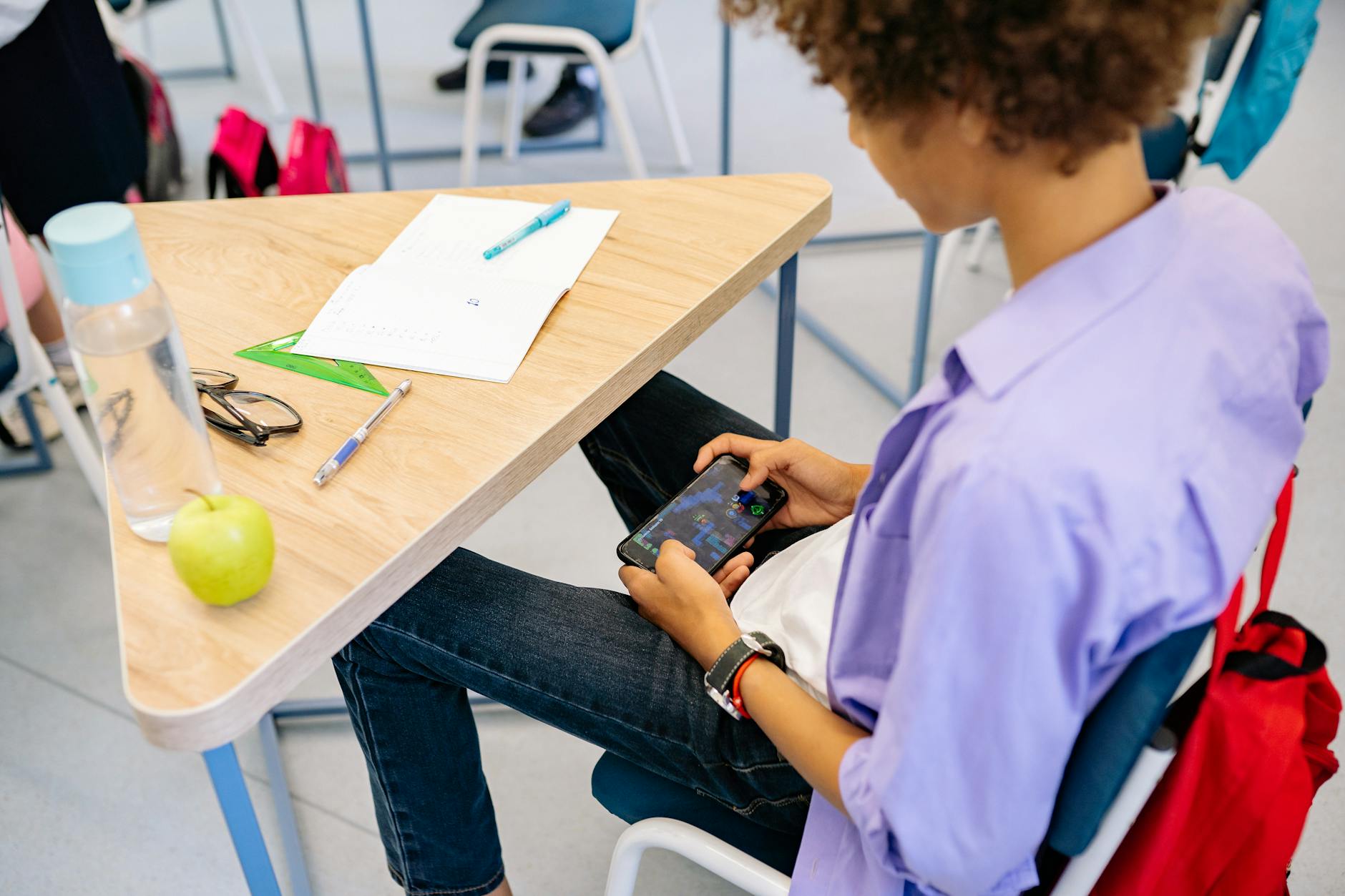
A Tuesday afternoon in Mumbai. Students, hunched over tablets, whisper about quadratic equations. A new AI tutor, developed by a team in Bengaluru, responds to each input, gently guiding them through problems. This scene, repeated across continents, illustrates a significant shift in how learning happens.
For too long, artificial intelligence has been framed as a futuristic spectacle of robots and grand pronouncements from Silicon Valley. But its true impact isn't in the grandiose; it's in the quiet, daily changes within a third-grade math class in Houston, a secondary school physics lab in Sharjah, or a rural Kenyan primary school navigating teacher shortages.
Beyond the Hype: Practical AI in Education
The real story of AI in education is less about replacing teachers and more about empowering them. Consider personalized learning platforms. Imagine a teacher in Birmingham, overwhelmed by a class of thirty diverse learners. An AI-driven diagnostic tool identifies a student's precise areas of struggle in calculus, then curates a series of targeted exercises. This isn't theoretical; it's happening. The teacher, freed from the exhaustive task of individual assessment and remediation planning, can then focus on higher-order thinking, sparking curiosity, and fostering critical discussion.
The most impactful AI tools are often those that seamlessly integrate into existing workflows, not those that demand wholesale pedagogical upheaval.
Another example: automated grading for certain types of assignments. Essays, perhaps, still require the nuanced human eye. But multiple-choice quizzes, gap-fills, or even early-stage coding exercises? AI can process these with startling efficiency, providing immediate feedback to students and invaluable data to educators. This frees up precious hours for teachers in Singapore, for instance, allowing them to dedicate more time to lesson planning, professional development, or simply engaging more deeply with individual students who truly need their presence.
The Ethical Imperative: Data and Bias
Yet, this quiet revolution is not without its complexities. The algorithms learn from the data we feed them. If that data is biased, if it reflects existing societal inequities or pedagogical blind spots, then the AI will perpetuate, and even amplify, those biases. This is particularly salient in diverse educational landscapes like India or the US, where cultural and socio-economic variations are profound. We must ask: Who builds these tools? What data are they trained on? What safeguards are in place to ensure fairness and equity?
NASCA, in its own analyses of educational tools, consistently emphasizes the need for transparency in AI development. A tool designed in London, if not carefully adapted and vetted, might fail spectacularly in a classroom in Riyadh. Context matters. Data provenance matters. Diverse development teams matter.
What Does This Mean for the Future?
The arc of educational technology bends towards personalization. AI, when wielded thoughtfully, is the most powerful lever we have to achieve truly individualized learning at scale. This doesn't mean isolating students with machines. Quite the opposite. By automating the mundane, AI allows educators to reclaim their roles as mentors, guides, and inspirers. It creates space for genuine human connection, for the Socratic dialogue that defines true learning.
From the bustling classrooms of New York to the quiet study corners of small towns in the UK, AI is becoming less of a distant marvel and more of a trusted assistant. It promises an education where every student, regardless of their starting point or learning style, can receive the tailored support they need to flourish.
Frequently asked
No. The most effective AI tools in education are designed to assist teachers by automating routine tasks and providing personalized support to students, freeing educators to focus on higher-order teaching and mentorship.
Schools and developers must prioritize transparent data practices, use diverse training datasets, and actively audit AI tools for bias. Local adaptation and continuous feedback from diverse classroom environments are also crucial.
Personalized learning platforms, AI-driven diagnostic assessments, and automated grading systems for specific tasks are showing significant impact. Tools that adapt to individual student pace and provide immediate feedback are particularly valuable.
While funding helps, many impactful AI tools are becoming increasingly accessible. The real barrier is often not cost but the thoughtful integration and training required to make these tools effective in any setting, including those with limited resources.
Student privacy is a critical concern. Developers and schools must adhere to strict data protection regulations, anonymize data where possible, and ensure robust cybersecurity measures. Transparent policies about data collection and usage are paramount.
One piece of writing on AI in education. Every Monday morning. From the editors of NASCA, in seven countries. No spam, unsubscribe in one click.
Bring NASCA to your school.
If this piece resonated, the next step is a conversation. A real person from our team will reply within one working day.