AI in Early Years: Nurturing Curiosity, Not Screens
New research shows AI as a potent tool for early childhood education, emphasizing curiosity and personalized learning over screen time. We explore how AI can elevate foundational learning experiences without displacing human connection.
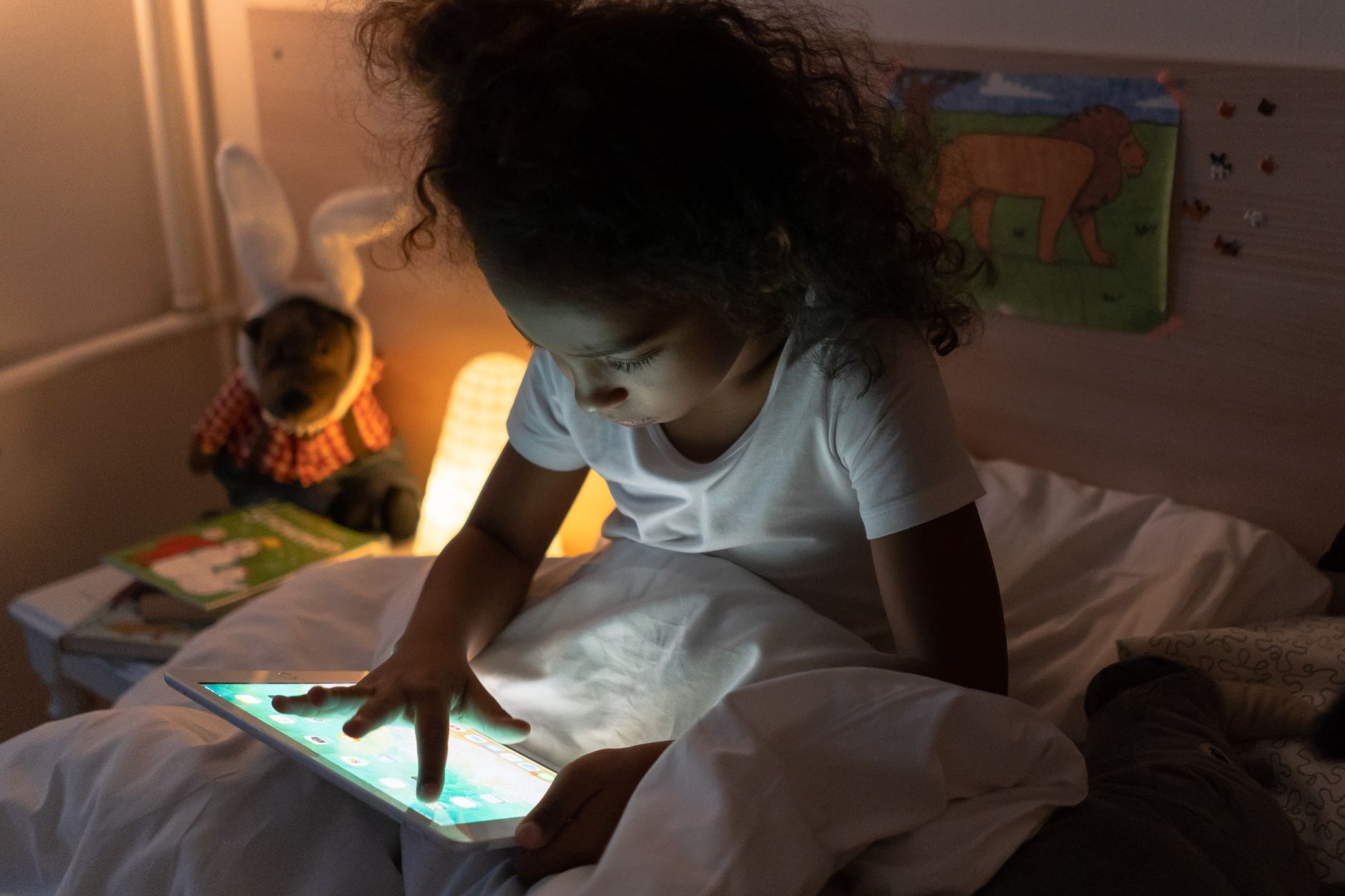
In a sunlit kindergarten classroom in Dubai, five-year-old Anya traces the outline of a digital dinosaur on a tablet, her movements mirrored on a large interactive display at the front of the room. This isn't passive screen time. A quiet AI companion, projected as a friendly, animated owl, asks, "Anya, what do you notice about the dinosaur's skin?" Anya, without hesitation, points to the texture, then to a book on the table, comparing it to a crocodile's scales. The AI then suggests a game of "spot the difference" between two dinosaur species, gently guiding her observations. This scene, observed in a recent NASCA-supported pilot program, illustrates a profound shift in early childhood education.
For too long, the conversation around AI in early years has been fraught with anxieties. We've heard concerns about reduced human interaction, the dangers of excessive screen exposure, and the fear of technology stifling creativity. These are valid apprehensions, born from a natural instinct to protect our youngest learners. However, recent global research, encompassing studies from the University of Sydney to the Ministry of Education in Singapore, paints a more nuanced picture. It suggests that when thoughtfully integrated, AI can profoundly enrich the foundational learning experiences of children aged three to six.
The AI Companion: A New Kind of Learning Partner
The core insight from these studies is that AI's greatest value lies not in replacing teachers or classmates, but in its capacity to act as an intelligent, personalized learning companion. Consider a child struggling with phonics in a London reception class. An AI tool, designed with pedagogical expertise, can identify specific sound difficulties in their speech. It can then offer tailored, playful activities, such as rhyming games or interactive story creation, adapting the complexity based on the child's progress. This isn't about rote memorization; it's about providing immediate, non-judgmental feedback that encourages exploration and corrects misconceptions before they become entrenched.
In Riyadh, educators are experimenting with AI-powered robots that facilitate imaginative play. These robots don't dictate the play; instead, they respond to children's cues, ask open-ended questions, and introduce new vocabulary relevant to the ongoing narrative. If a child builds a castle, the robot might ask, "Who lives in your castle, and what do they eat?" This prompts children to elaborate, fostering narrative skills and expanding their descriptive language in a way that feels organic and joyful. The research consistently highlights increased engagement and sustained attention spans in these settings.
Fostering Curiosity and Critical Thinking
One of the most compelling findings is AI's potential to cultivate genuine curiosity. Instead of simply delivering information, well-designed AI can prompt children to ask "why" and "how." Imagine a child in a New York City preschool observing ants in a garden. An AI tablet application, using image recognition, could identify the species and then pose questions like, "What do you think these ants are carrying?" or "How do you think they find their way home?" These aren't closed questions; they spark investigative thinking. The AI might then suggest a simple experiment, like leaving a crumb of bread to observe the ants' behavior, turning a passive observation into an active scientific inquiry.
This approach aligns perfectly with foundational pedagogical principles. Early years education thrives on exploration, discovery, and hands-on experience. AI, when used as a facilitator rather than a primary source of instruction, can amplify these elements. It frees up teachers to focus on complex social-emotional learning, individual mentorship, and guiding group activities, knowing that personalized academic scaffolding is being provided in parallel. We see classrooms becoming vibrant hubs of curiosity, where every child feels seen and supported in their individual learning journey.
Beyond the Screen: AI as a Tool for the Real World
Crucially, these studies emphasize that AI in early years should not be confined to screens. Wearable technology, interactive floors, and AI-enhanced physical toys are demonstrating significant promise. Consider a child in an Australian bush kinder program wearing a small, AI-enabled device. As they explore, the device might identify the calls of local birds or the names of native plants, providing context and information without requiring a screen. This blends outdoor learning with technological enrichment, creating a seamless learning environment.
NASCA has, for instance, supported the development of AI-driven interactive wall projections that respond to children's movements, allowing them to "paint" with light or "build" virtual structures collaboratively. This transforms physical space into a dynamic learning canvas, promoting gross motor skills and teamwork alongside cognitive development. The emphasis is on active engagement with the physical world, augmented by intelligent feedback and information. This ensures that children are using technology to interact more deeply with their environment, not to withdraw from it.
The promise of AI in early years is not to replace the warmth of a teacher's smile or the joy of shared discovery with a friend. Instead, it is to provide a meticulously tailored foundation, empowering every child to build on their innate curiosity and reach their full, brilliant potential.
We are on the cusp of an era where AI can truly serve the youngest minds, not as a substitute for human connection, but as an intelligent, adaptive partner in their grand adventure of learning. The future of early years education is not just about adopting new technologies; it's about thoughtfully integrating them to create richer, more personalized, and profoundly human learning experiences. This, we believe, is a vision worth pursuing, for every child, everywhere.
Frequently asked
No, research consistently shows that AI functions best as a supportive tool, enhancing personalized learning and freeing teachers to focus on complex social-emotional development and individual mentorship. It augments, rather than replaces, human connection.
Not necessarily. Effective AI integration moves beyond passive screen time, utilizing interactive displays, AI-enhanced physical toys, and even wearable tech that promotes engagement with the physical world, such as identifying birdsongs outdoors.
AI can prompt children with open-ended questions, suggest simple experiments based on their observations, and offer tailored, playful activities that encourage exploration and problem-solving, moving beyond rote learning.
Without thoughtful integration, concerns about excessive screen exposure, reduced human interaction, and stifled creativity are valid. The key is using AI to facilitate active engagement and personalized support, always prioritizing human connection and hands-on learning.
Parents should look for programs that integrate AI as a companion for personalized learning, focusing on interactivity, curiosity-building, and real-world engagement, rather than passive consumption. Open communication with educators about AI's role is also important.
One piece of writing on AI in education. Every Monday morning. From the editors of NASCA, in seven countries. No spam, unsubscribe in one click.
Bring NASCA to your school.
If this piece resonated, the next step is a conversation. A real person from our team will reply within one working day.