The Classroom’s Quiet Revolution: AI, Empathy, and the Future of Learning
As AI weaves itself into the fabric of our classrooms, we see not a replacement for human connection, but a profound opportunity to cultivate empathy and understanding on a global scale.
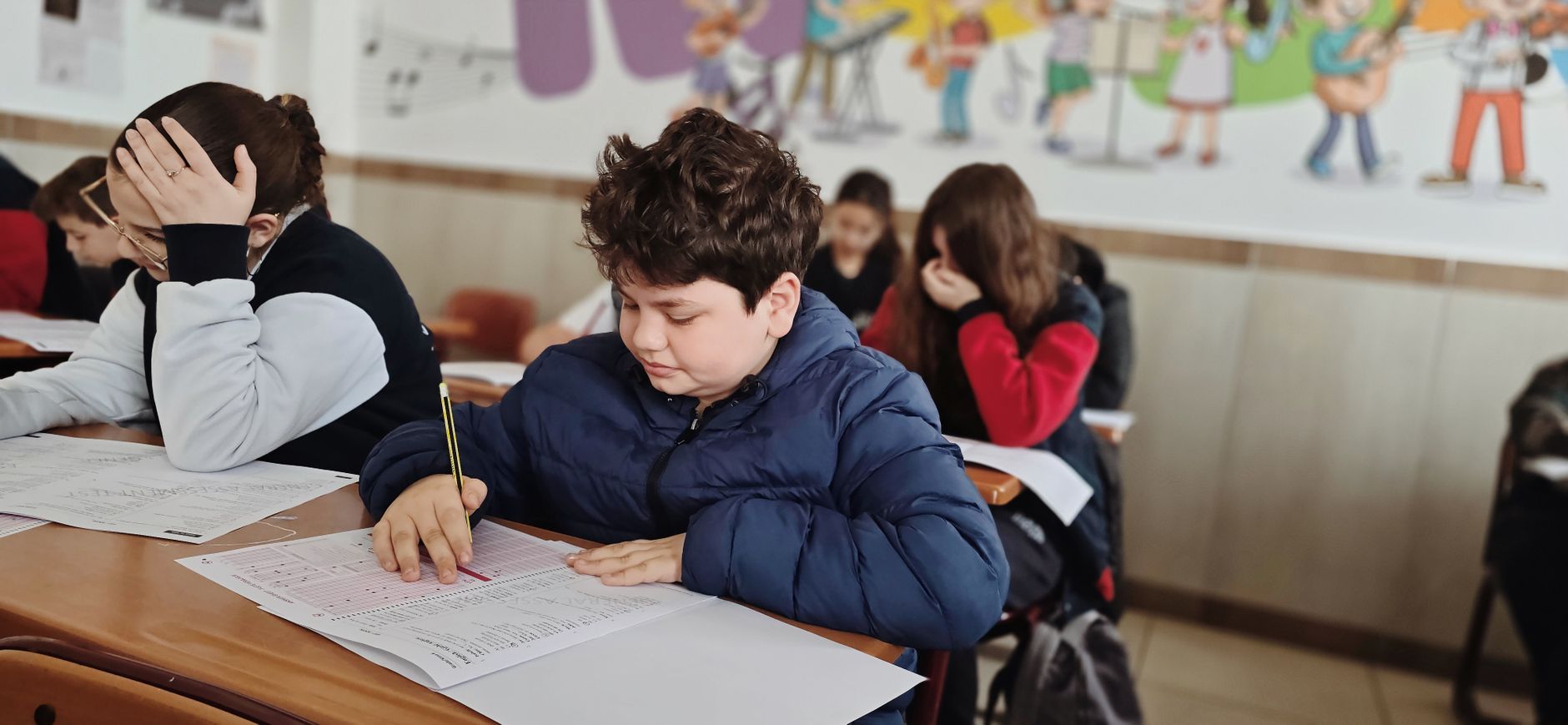
The scent of freshly sharpened pencils still lingers in a Year 5 classroom in Riyadh. Outside, the midday sun bakes the desert, but inside, a student, Fatima, is absorbed, not with a textbook, but with a holographic projection of ancient Rome. Her AI tutor, a gentle voice from a small device, nudges her to consider the daily lives of Roman children, their games, their worries. Fatima isn't just memorizing dates; she is feeling her way into history, guided by technology that understands her pace, her questions, and crucially, her budding curiosity. This is the quiet revolution unfolding in education, a subtle, profound shift where artificial intelligence is not merely a tool for efficiency, but a catalyst for deeper human connection and empathy.
At NASCA, we observe the global dialogues shaping tomorrow’s education. For years, the conversation around AI in schools centered on skill acquisition: coding, data literacy, robotic interfaces. While these remain vital, a more nuanced understanding now emerges from research hubs in London, Singapore, and Palo Alto. We are seeing a powerful narrative suggesting that AI’s greatest contribution to learning might lie in its capacity to cultivate empathy. This isn't paradoxical; it is an evolution.
The AI Tutor as a Mirror for Understanding
Consider the personalized AI tutor. Beyond adapting content to individual learning styles, these intelligent systems are becoming increasingly adept at recognizing emotional cues. A student struggling with a complex math problem might not just receive a simpler explanation, but also a gentle prompt: "It looks like this is a tough one. Remember when we talked about breaking down big challenges?" This recognition, however synthetic, models a form of understanding. For a child in Mumbai, navigating an unfamiliar subject, or a teenager in a rural Australian school facing a new concept, this consistent, patient interaction builds confidence. It shows them what being understood feels like. When students experience this tailored support, they begin to see the value in understanding others.
Research from the University of Cambridge’s Centre for the Study of Emotion suggests that well-designed AI learning environments can free up teachers to focus more intently on socio-emotional development. When routine grading and basic question answering are handled by intelligent systems, teachers gain precious minutes. They can then dedicate these moments to classroom discussions that explore moral dilemmas, encourage collaborative problem-solving, or facilitate one-on-one mentorship that addresses deeper personal challenges. We recently saw this in a workshop series we ran with schools in the UAE, where teachers, relieved of some administrative burdens, designed impactful projects focused purely on community outreach.
Global Classrooms, Shared Perspectives
The global reach of AI in education further amplifies this empathetic potential. Imagine students in a New York City classroom collaborating on a virtual project with peers in a classroom in Bangalore, facilitated by AI translation and cultural context tools. They are not just exchanging data; they are exchanging perspectives, understanding nuances, and building bridges across geographical and cultural divides. An AI assistant can highlight subtle differences in communication styles, helping bridge misunderstandings before they solidify. It can present different viewpoints on a historical event, sourced from diverse global archives, prompting a richer, more empathetic understanding of complex narratives.
This isn't about AI dictating what empathy is; it’s about AI creating the conditions for empathy to flourish. It provides the scaffold for cross-cultural communication, the personalized support that builds confidence, and the freeing of human educators to engage in the deeply human work of nurturing emotional intelligence. The data from nascent global projects, like the "Bridges of Learning" initiative connecting students from different continents, points to increased mutual respect and a broader worldview among participants. It paints a compelling picture for the future.
The future of learning, amplified by AI, is not just about smarter students, but about more compassionate, globally aware individuals. It is a future where technology serves to illuminate our shared humanity.
The Teacher as Architect of Empathy
Ultimately, the role of the teacher evolves from a disseminator of facts to an architect of empathetic experiences. They curate AI tools, design collaborative projects, and facilitate discussions that use AI-generated insights to deepen student understanding of themselves and others. It demands a new kind of pedagogical skill, one that blends technological fluency with profound emotional intelligence. Our workshops with educators in the UK and US have shown that when teachers embrace this role, they find renewed purpose, focusing on the intrinsically human aspects of their profession.
The integration of AI into our learning spaces offers a profound chance. We can build a generation of learners who are not only intellectually agile, but also deeply compassionate. This generation will be equipped to understand, connect with, and contribute meaningfully to a complex, interconnected world.
FAQs
Q: Does AI risk dehumanizing education? A: On the contrary, well-integrated AI can free teachers from repetitive tasks, allowing them to focus more on human connection, socio-emotional development, and individualized mentorship. It enhances, rather than replaces, human interaction.
Q: How can we ensure AI promotes empathy across cultures? A: AI tools can facilitate cross-cultural collaboration, translation, and provide diverse perspectives on shared topics, helping students understand different viewpoints and build bridges across geographical and cultural divides. Ethical design and diverse datasets are key.
Q: Will teachers need new skills to use AI for empathy? A: Yes, teachers will evolve into facilitators and architects of learning experiences. They will need to understand how to select and integrate AI tools, and how to design lessons that leverage AI to foster emotional intelligence and global understanding.
Q: Is this only for well-funded schools? A: While initial adoption may vary, open-source AI models and global initiatives are working to make these tools more accessible. The goal is equitable access to enhanced learning, regardless of economic background.
Q: How do we measure the impact of AI on empathy? A: Measuring empathy is complex, but researchers are developing methodologies. Indicators include improved collaboration skills, increased perspective-taking, reduced bias in intergroup interactions, and student self-reports on understanding and connection with others.
Frequently asked
On the contrary, well-integrated AI can free teachers from repetitive tasks, allowing them to focus more on human connection, socio-emotional development, and individualized mentorship. It enhances, rather than replaces, human interaction.
AI tools can facilitate cross-cultural collaboration, translation, and provide diverse perspectives on shared topics, helping students understand different viewpoints and build bridges across geographical and cultural divides. Ethical design and diverse datasets are key.
Yes, teachers will evolve into facilitators and architects of learning experiences. They will need to understand how to select and integrate AI tools, and how to design lessons that leverage AI to foster emotional intelligence and global understanding.
While initial adoption may vary, open-source AI models and global initiatives are working to make these tools more accessible. The goal is equitable access to enhanced learning, regardless of economic background.
Measuring empathy is complex, but researchers are developing methodologies. Indicators include improved collaboration skills, increased perspective-taking, reduced bias in intergroup interactions, and student self-reports on understanding and connection with others.
One piece of writing on AI in education. Every Monday morning. From the editors of NASCA, in seven countries. No spam, unsubscribe in one click.
Bring NASCA to your school.
If this piece resonated, the next step is a conversation. A real person from our team will reply within one working day.