AI: The Quiet Revolution in Every Classroom
Across continents, from Dubai’s vibrant classrooms to London’s historic halls, a new era of learning dawns. Artificial intelligence, once a distant promise, now redefines how students discover and how teachers guide.
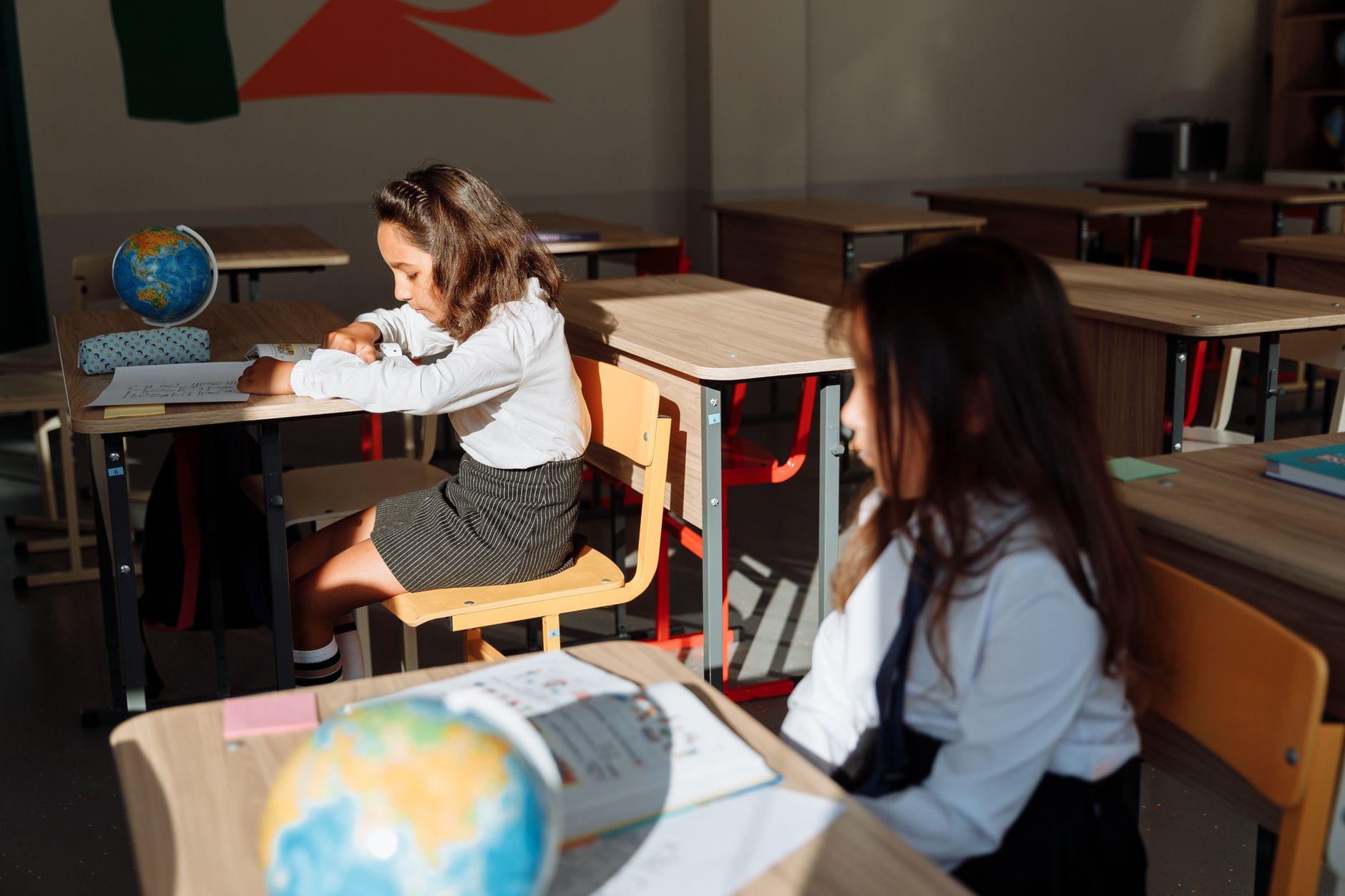
In a bustling primary school in Bangalore, a young student named Priya once struggled with algebra. Her teacher, Mrs. Sharma, often felt the strain of twenty-five individual learning paces in one room. Now, a simple AI assistant, integrated into the school's learning platform, offers Priya tailored exercises. It identifies her specific conceptual gaps, provides extra practice, and celebrates her small victories. Mrs. Sharma, no longer solely an instructor, steps into the role of a mentor, observing, encouraging, and focusing on the nuances only human connection can provide. This scene, repeated in different forms from a remote village school in the US to an advanced academy in Singapore, paints a vivid picture of education's unfolding future.
We at NASCA have watched this evolution with keen interest, noting how technology, once seen as an add-on, now weaves itself into the very fabric of pedagogy. The true power of AI in education isn't found in flashy gadgets, but in its ability to personalize the educational journey, making learning a more intuitive, accessible, and ultimately, more human experience for every child.
The Dawn of Individualized Discovery
For generations, the classroom operated on a model of mass instruction. A single teacher, a single curriculum, and a single pace. This system, while foundational, often overlooked the unique cognitive rhythms of each learner. Today, AI offers a profound shift. We are moving towards an era where algorithms can identify precisely where a student thrives, or where they might stumble.
Consider a high school student in Sydney, grappling with Elizabethan literature. An AI tool might present them with interactive timelines, explain complex vocabulary in context, or even generate a short, personalized narrative to illustrate a thematic point. For another student in Riyadh, fascinated by quantum physics, the same AI might suggest advanced simulations or connect them with university-level resources. This responsiveness creates a learning environment where curiosity is not just encouraged, but actively nurtured, allowing each student to delve into subjects at their own depth and speed.
This isn't merely about remediation. It is about enrichment. It is about fostering a lifelong love of learning by showing each student that the world of knowledge is accessible and tailored to their interests.
Elevating the Teacher's Art
The notion that AI might replace teachers is a misunderstanding of both technology and pedagogy. Instead, we see AI as a powerful ally, freeing educators from administrative burdens and repetitive tasks. Imagine a teacher in Manchester spending less time grading multiple-choice quizzes and more time designing innovative project-based learning experiences. Picture an instructor in Abu Dhabi, having automated attendance and basic feedback, engaging in deeper, more meaningful discussions with students about their aspirations and challenges.
AI provides educators with richer data about student progress than ever before. This data isn't just numbers. It is insight. It helps teachers understand collective trends and individual needs, allowing them to refine their teaching strategies, craft more impactful lesson plans, and intervene precisely when a student requires additional support. The teacher, then, evolves from a dispenser of information to a master facilitator of discovery, a true artisan of education, focusing on critical thinking, creativity, and emotional intelligence. These are inherently human strengths, irreplaceable by any algorithm.
"The best educators have always understood that learning is not a linear path, but a dynamic expedition. AI simply provides a more precise compass for that journey."
Redefining Access and Equity
One of AI's most compelling contributions is its potential to democratize high-quality education. We observe this particularly in regions where access to resources or specialist teachers might be limited. An AI-powered tutor can bridge gaps in foundational knowledge, offering consistent support regardless of geography or socio-economic status. A child in a rural part of India, previously without access to advanced language instruction, can now practice English pronunciation with immediate, personalized feedback.
Moreover, AI tools can be designed to cater to diverse learning needs, offering accommodations for students with disabilities or those learning in a second language. This inclusivity ensures that more children, across varied contexts, can access learning materials in formats that suit them best, breaking down barriers that once seemed insurmountable. Education becomes less about what is available and more about what each child needs to thrive.
We are building a future where learning is not a privilege, but a universal right, delivered with precision and care to every corner of the globe.
We stand at a unique juncture. The careful, considered integration of AI into our schools, guided by thoughtful educators and informed by ethical principles, promises a world where every child can achieve their fullest potential. It is a quiet revolution, yes, but one that echoes with the promise of brighter futures for all. We are not just educating, we are inspiring.
FAQ
Q: Will AI replace human teachers? A: No, AI complements teachers by automating repetitive tasks and providing data insights, allowing educators to focus on mentorship, critical thinking, and social-emotional development. Human connection remains central to effective teaching.
Q: How does AI personalize learning? A: AI analyzes a student's performance, identifies strengths and weaknesses, and then tailors content, pace, and feedback to meet individual needs, making learning more efficient and engaging for each student.
Q: Is AI in classrooms only for advanced subjects like coding or science? A: Not at all. AI tools are applicable across all subjects, from language arts and history, where they can offer personalized feedback on essays, to mathematics, providing adaptive practice. It enhances learning universally.
Q: What are the main benefits of AI for students? A: Students benefit from personalized learning paths, immediate feedback, access to a wider range of resources, and the opportunity to learn at their own pace, fostering deeper understanding and engagement.
Q: How do schools ensure ethical use of AI and data privacy? A: Schools must implement robust data privacy policies, select reputable AI tools with strong security features, and provide clear guidelines to staff and students on ethical AI use. Transparency and consent are paramount.
Frequently asked
No, AI complements teachers by automating repetitive tasks and providing data insights, allowing educators to focus on mentorship, critical thinking, and social-emotional development. Human connection remains central to effective teaching.
AI analyzes a student's performance, identifies strengths and weaknesses, and then tailors content, pace, and feedback to meet individual needs, making learning more efficient and engaging for each student.
Not at all. AI tools are applicable across all subjects, from language arts and history, where they can offer personalized feedback on essays, to mathematics, providing adaptive practice. It enhances learning universally.
Students benefit from personalized learning paths, immediate feedback, access to a wider range of resources, and the opportunity to learn at their own pace, fostering deeper understanding and engagement.
Schools must implement robust data privacy policies, select reputable AI tools with strong security features, and provide clear guidelines to staff and students on ethical AI use. Transparency and consent are paramount.
One piece of writing on AI in education. Every Monday morning. From the editors of NASCA, in seven countries. No spam, unsubscribe in one click.
Bring NASCA to your school.
If this piece resonated, the next step is a conversation. A real person from our team will reply within one working day.