AI in the UK Classroom: A Principled Path Forward
The integration of AI in British education calls for a mindful approach, balancing innovation with the core values of learning. This piece explores the specific considerations for schools and policymakers in the UK.
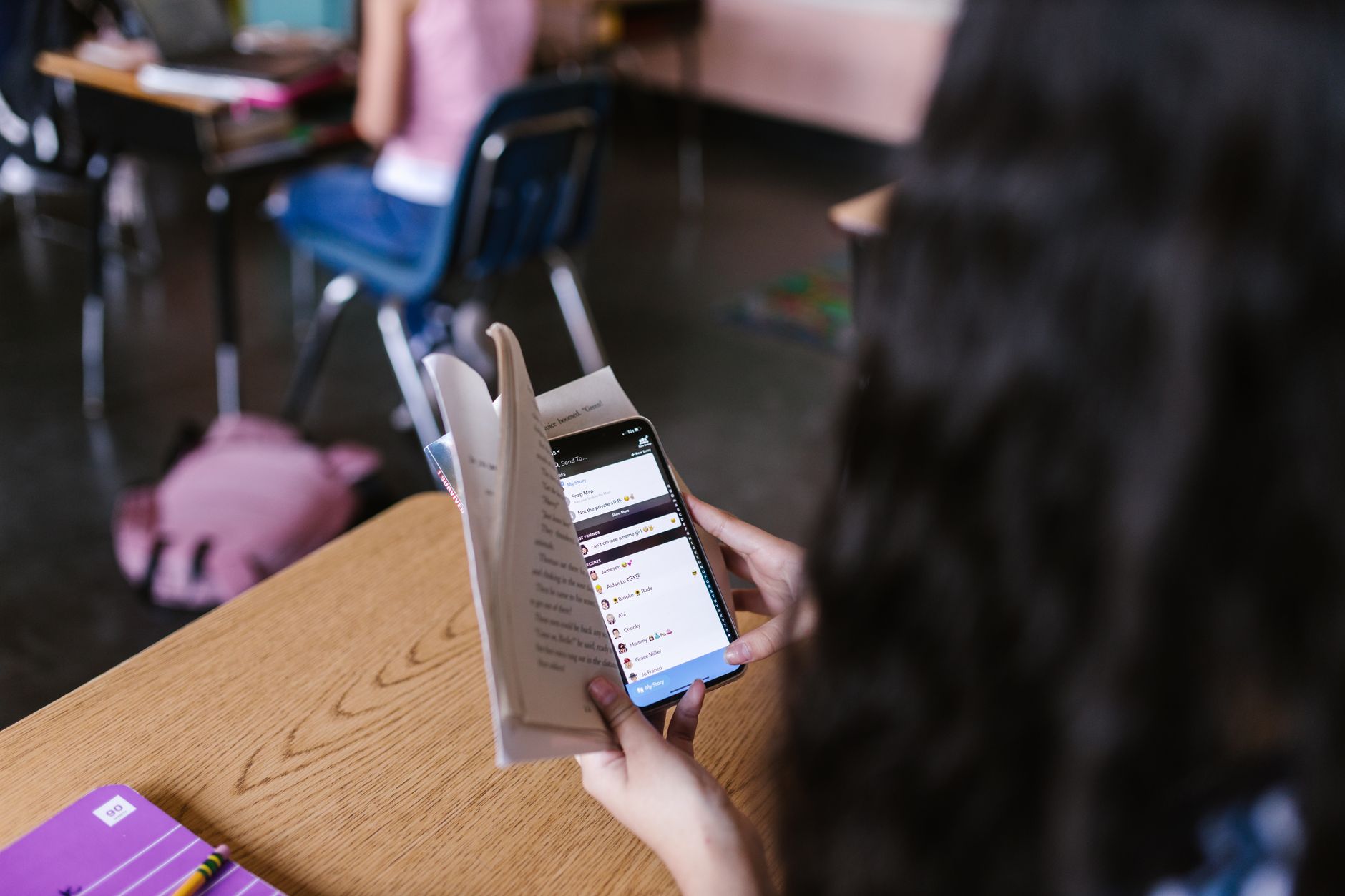
The autumn term in Manchester begins with a familiar chill, yet the air in many schools buzzes with a new kind of energy. We recently visited a secondary school in Salford where, in an English class, a teacher projected an AI-generated essay on the screen. The task for the students, aged thirteen, was not to critique its literary merit, but to pinpoint its biases, identify its factual inaccuracies, and rewrite its most pedestrian phrases. This was not a punitive exercise in catching AI misuse; it was an act of teaching discernment, a foundational skill for the twenty-first century.
This small scene, replicated in various forms across the United Kingdom, brings into sharp focus a pressing question: How do we, as educators and policymakers, introduce artificial intelligence into our classrooms not just effectively, but ethically? The Department for Education’s recent consultations hint at a recognition of this need, but the specifics of implementation remain largely in the hands of individual institutions and, often, individual teachers.
The Data Dilemma in the Digital School
One immediate consideration is data privacy. Every AI tool, from intelligent tutoring systems to automated assessment platforms, relies on data. In the UK, with its robust General Data Protection Regulation (GDPR) framework, this is not a minor footnote. We are not just talking about student names and addresses, but also their learning patterns, their strengths, their struggles. Who owns this data? How is it stored? For how long? These are not abstract questions for a legal department; they are concerns for parents in Birmingham, teachers in Glasgow, and headteachers in Cardiff. Our role, we believe, is to ensure that the tools we embrace do not compromise the trust placed in our educational system.
The promise of AI in personalising learning is immense, yet it must always be balanced against the imperative to protect the individual’s digital footprint.
NASCA’s own research, working with schools in England's West Midlands, shows that clear, concise data policies, co-created with staff and communicated openly to families, are far more effective than top-down mandates. Transparency builds confidence.
Preserving Human Connection in Learning
Beyond data, there is the fundamental question of what it means to learn. AI can automate tasks, provide instant feedback, and even generate lesson plans. But it cannot replicate the nuanced empathy of a teacher in a classroom, the spontaneous debate in a history lesson, or the collaborative spirit of a group project in a science lab. We must guard against the allure of efficiency overshadowing the irreplaceable human elements of education.
Consider the art of writing. If AI can draft an essay, what does it mean for a student to hone their own voice? It means teaching them to prompt the AI effectively, to critically evaluate its output, and ultimately, to surpass it with original thought and genuine insight. The aim is not to outsource cognitive effort, but to elevate it, making students more astute thinkers and creators.
Cultivating Critical AI Literacy
The most powerful ethical safeguard is an informed populace. Our curricula, from primary school onwards, must integrate AI literacy. This goes beyond simply using AI tools; it involves understanding how they work, their limitations, their societal impacts, and the ethical frameworks that should govern their development and deployment. Children growing up today will live in a world steeped in AI. To deny them this understanding is to leave them unprepared.
In a London classroom, we observed a lesson where ten-year-olds were tasked with identifying 'deepfakes' generated by AI. This kind of hands-on, critical engagement is crucial. It teaches skepticism where appropriate, an appreciation for truth, and a recognition of manipulated realities. This is not about fear-mongering, but about fostering intellectual resilience.
The path forward for AI in UK education is not one of wholesale adoption, nor outright rejection. It is a path of considered integration, guided by principle. We advocate for a national dialogue, involving educators, technologists, parents, and learners, to establish clear ethical guidelines and practical standards. Our children deserve an education that embraces the future without sacrificing the enduring values of human intellect, connection, and integrity.
Frequently Asked Questions
Q: Is AI in schools just a passing trend?
A: We believe AI is a fundamental shift, much like the internet or personal computers were before it. Its integration, therefore, needs long-term planning and ethical foresight, not short-term reactions.
Q: How can a single teacher manage AI ethics in their classroom?
A: While systemic policy is essential, individual teachers can start by fostering open discussions about AI’s role, encouraging critical evaluation of AI-generated content, and being transparent about how and why they use AI tools.
Q: Will AI replace teachers?
A: We firmly believe AI will augment teaching, not replace it. It can automate administrative tasks and offer personalised support, allowing teachers to focus more on mentorship, critical thinking development, and fostering human connection, which are irreplaceable.
Q: What is the biggest ethical challenge with AI in education right now?
A: Protecting student data privacy and ensuring equitable access to high-quality AI tools are among the most pressing challenges. Without careful management, AI could exacerbate existing inequalities or compromise individual rights.
Q: How can parents engage with AI in their child's school?
A: Parents should ask schools about their AI policies, discuss the use of AI tools with their children, and advocate for transparent communication and ethical guidelines from their local educational institutions and national bodies.
Frequently asked
We believe AI is a fundamental shift, much like the internet or personal computers were before it. Its integration, therefore, needs long-term planning and ethical foresight, not short-term reactions.
While systemic policy is essential, individual teachers can start by fostering open discussions about AI’s role, encouraging critical evaluation of AI-generated content, and being transparent about how and why they use AI tools.
We firmly believe AI will augment teaching, not replace it. It can automate administrative tasks and offer personalised support, allowing teachers to focus more on mentorship, critical thinking development, and fostering human connection, which are irreplaceable.
Protecting student data privacy and ensuring equitable access to high-quality AI tools are among the most pressing challenges. Without careful management, AI could exacerbate existing inequalities or compromise individual rights.
Parents should ask schools about their AI policies, discuss the use of AI tools with their children, and advocate for transparent communication and ethical guidelines from their local educational institutions and national bodies.
One piece of writing on AI in education. Every Monday morning. From the editors of NASCA, in seven countries. No spam, unsubscribe in one click.
Bring NASCA to your school.
If this piece resonated, the next step is a conversation. A real person from our team will reply within one working day.