The Classroom’s New Co-Pilot: AI-Powered Learning Companions
In 2026, AI-powered learning companions are reshaping education. We explore tools like "Cogito" and "Atlas" that offer personalized support, transforming the classroom into a dynamic, adaptive space.
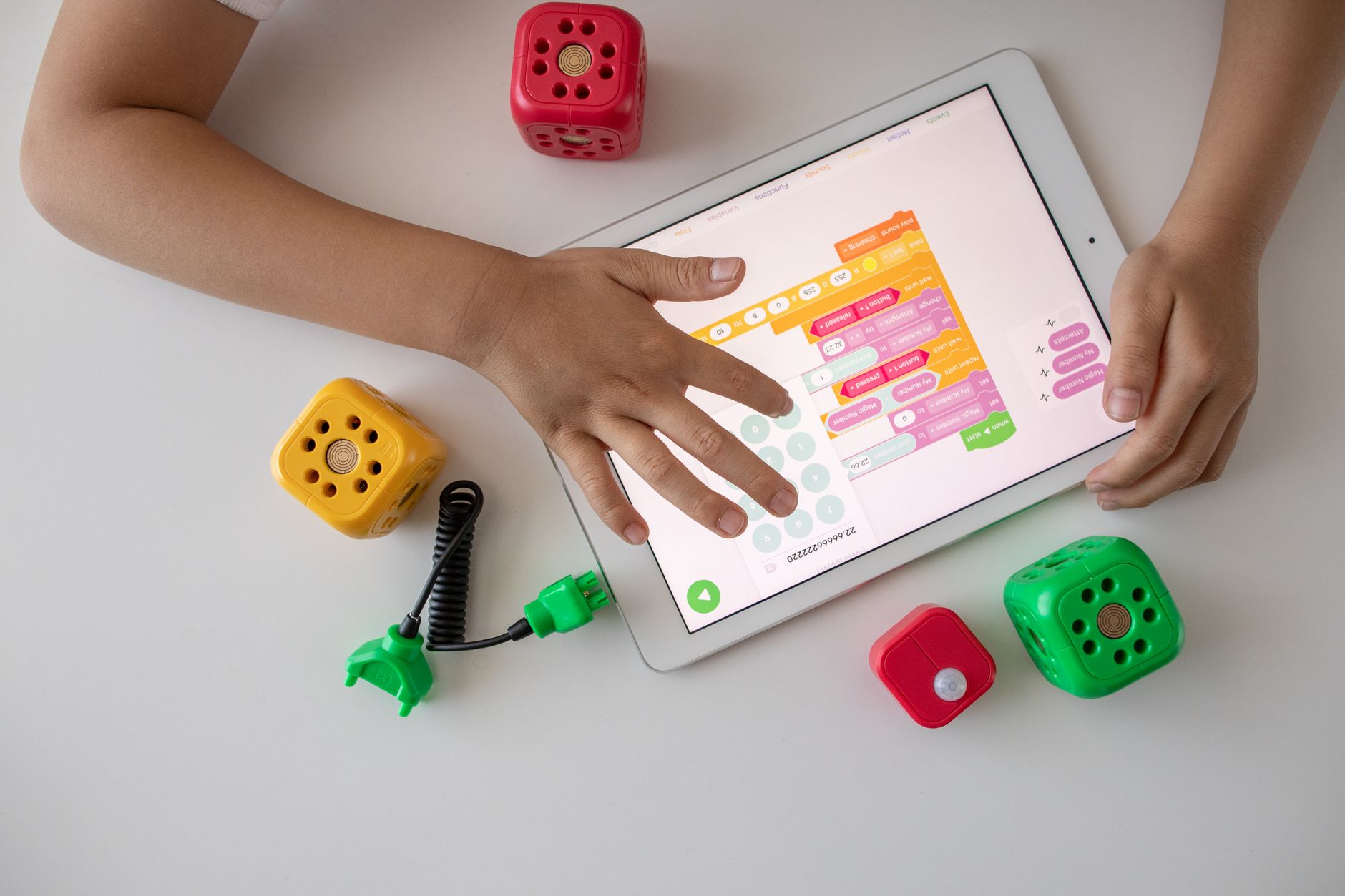
A Friday afternoon in October, 2026. The hum of a server rack whispers from a corner of the fifth-grade classroom at the Emirates International School in Dubai. Ten-year-old Aisha is debugging a Python script, her brow furrowed in concentration. Next to her, a discreet icon on her tablet screen, Cogito, offers a nuanced hint, not the answer itself, guiding her toward the solution with a gentle nudge. This isn't a futuristic dream; it is the quiet revolution unfolding in classrooms across the globe. We have spent months watching, listening, and learning from educators who have embraced these new intelligences. We see the change.
The rise of AI-powered learning companions has been swift, but their impact is anything but fleeting. These are not glorified search engines or simple chatbots. These are sophisticated algorithms designed to understand a child's learning style, their struggles, and their triumphs. They adapt in real-time, providing bespoke pathways through complex subjects, whether it’s quantum physics for a high schooler in Bengaluru or early literacy for a primary student in Sydney.
More Than Just a Tutor
Think of these companions as an extension of the teacher, rather than a replacement. In a bustling classroom in London, Mr. Henderson, a veteran science teacher, found that his "Atlas" companion allowed him to spend more one-on-one time with students grappling with difficult concepts. Atlas handled the repetitive drills, the immediate feedback on common errors, and even the initial explanations of new topics. This freed Mr. Henderson to engage in deeper discussions, to inspire curiosity, and to address the emotional nuances of learning that only a human can truly understand. It makes his teaching richer, more personal.
These tools excel at identifying patterns. A student consistently misunderstanding fractions? The AI recognizes this, then generates a series of micro-lessons and interactive problems tailored to that specific gap. It offers analogies from the child's known interests, be it football scores or baking recipes, ensuring the concept resonates. This precision teaching was once the exclusive domain of highly specialized private tutors, a luxury for the few. Now, it is becoming a standard feature of the public school system, from the smallest village school in rural India to the largest urban campus in New York.
The Data-Driven Advantage
The most effective AI companions are built on robust data. Not just data about what a student got wrong, but why. They track how long a student pauses, which hints they access, and even the emotional tone of their typed responses. This creates a detailed, evolving profile of each learner. > "The data isn't for grading; it's for guidance," remarked Dr. Anya Sharma, head of curriculum development for the UAE Ministry of Education, during our recent visit to Abu Dhabi. She emphasized the importance of ethical data use, ensuring privacy while maximizing educational impact. This data empowers teachers with insights they never had before, allowing them to intervene proactively and strategically.
We have seen teachers use the AI's generated reports to inform small group instruction, identifying students who share similar conceptual hurdles. This shifts classroom dynamics from a one-size-fits-all lecture to a series of targeted, responsive learning opportunities. The classroom becomes a place of constant, personalized growth, not just content delivery.
Preparing for Tomorrow’s Challenges
The skills demanded by the world of 2030 and beyond are not about rote memorization. They are about critical thinking, problem-solving, and adaptability. These AI companions foster such skills by encouraging exploration, by allowing for productive struggle, and by providing a safe space to fail and learn. When a student knows an AI will offer a guiding hand, they are more likely to attempt a challenging problem, to venture beyond the familiar.
Consider the young engineering students at MIT, engaging with an advanced AI tool that simulates complex design challenges. The AI acts as a mentor, suggesting alternative approaches, pointing out potential flaws, and even generating code snippets for iterative improvements. This kind of experiential learning, once limited by time and resources, is now scalable, preparing the next generation of innovators for careers we can barely imagine today.
The integration of AI learning companions into our educational landscape marks a significant step forward. We are moving towards an era where every child, regardless of their background or location, can access a personalized learning experience tailored to their unique needs. It is about fostering a love for learning, cultivating curiosity, and building the intellectual resilience that will serve them long after their school days are done. We see brighter horizons for every student.
Frequently asked
They analyze a student's learning patterns, strengths, and weaknesses to provide tailored content, adaptive challenges, and real-time feedback, much like a dedicated tutor.
No, they augment the teacher's role by handling repetitive tasks and providing data insights, freeing teachers to focus on deeper instruction, emotional support, and creative engagement.
They collect data on learning interactions (e.g., time on task, problem-solving attempts, types of errors) to inform instructional adjustments. Ethical platforms prioritize student privacy and data security, often anonymizing data for aggregate insights.
Not at all. They are used across all levels, from early literacy and numeracy in primary schools to complex subjects like coding, engineering, and advanced sciences in higher education.
One piece of writing on AI in education. Every Monday morning. From the editors of NASCA, in seven countries. No spam, unsubscribe in one click.
Bring NASCA to your school.
If this piece resonated, the next step is a conversation. A real person from our team will reply within one working day.