The Unfolding Classroom: Why India's Teachers Need AI, Not Just Training
The chalkboards of India's classrooms are fading, replaced by the glow of screens. But are our teachers truly ready for this shift? This piece argues for a deeper integration of AI in teacher professional development, moving beyond mere training to foster a culture of innovation and adaptability.
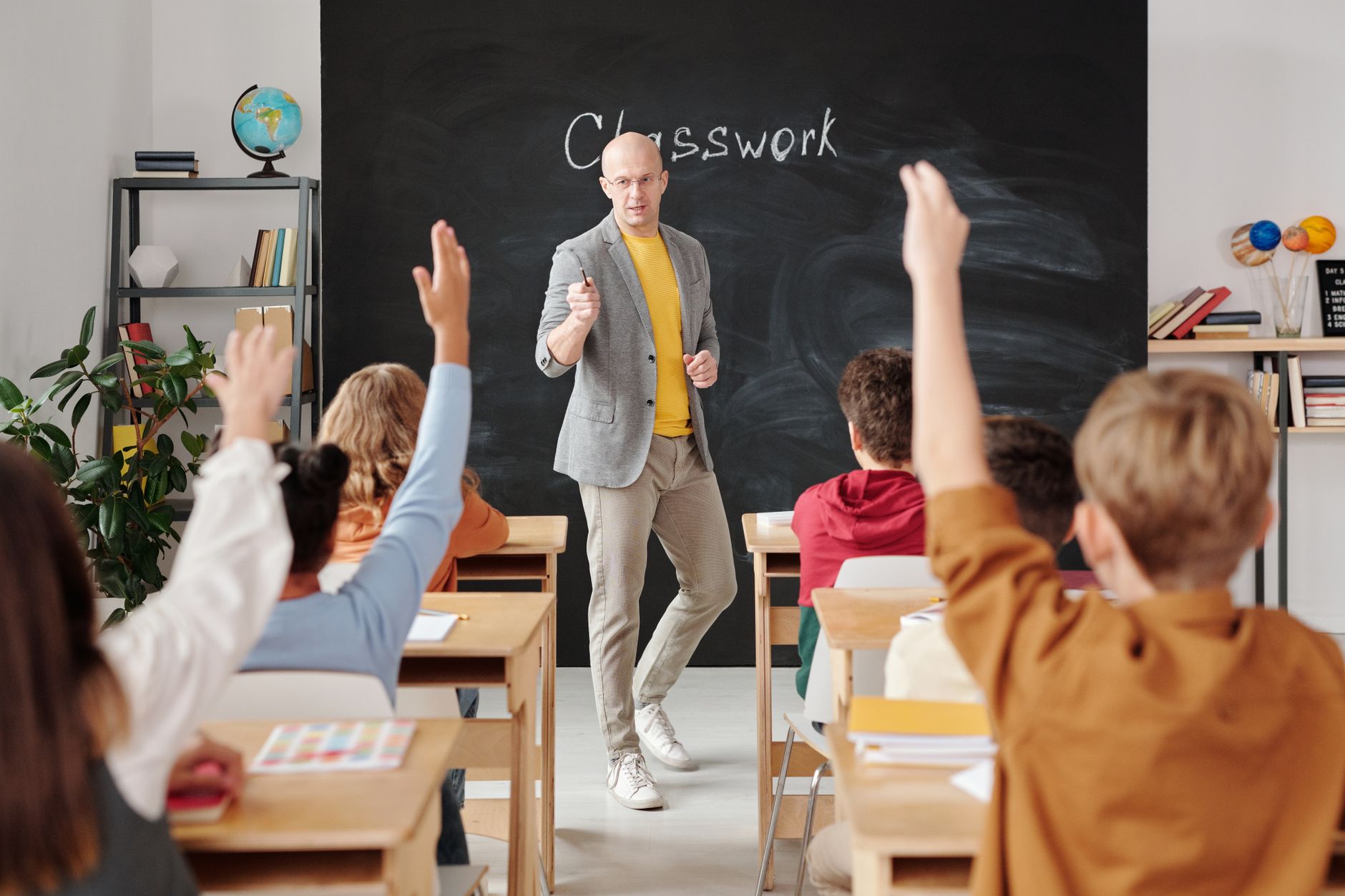
Bengaluru, 2026. A government school classroom, buzzing with the humid monsoon air, feels much like it did two decades ago, save for a few flat-panel displays on the walls. Yet, the textbooks on the desks talk of neural networks and robotic surgery. This juxtaposition is not unique to Bengaluru; it repeats itself across countless cities and towns in India. We speak of an AI revolution, of India's demographic dividend, but often, the most crucial agents of this transformation, our teachers, are left to bridge this chasm with outdated tools and often, anachronistic training.
The Futility of Patchwork Training
For years, teacher professional development in India has largely been a bureaucratic exercise, a series of workshops often divorced from the realities of the classroom. A two-day seminar on “Integrating Technology in Education” might introduce a teacher to a new app, or a smartboard's basic functions. But this is akin to handing a mechanic a wrench and proclaiming them ready to build a supercar. It addresses the 'what' but rarely the 'why' or, more importantly, the 'how' in a genuinely transformative sense.
The challenge is not merely technological adoption, but pedagogical evolution. Imagine a teacher in a village in Uttar Pradesh, tasked with explaining quantum computing to a class of curious 15-year-olds. A workshop on presentation software will not suffice. What she needs is a dynamic AI assistant that can help her generate age-appropriate analogies, suggest interactive simulations, and even personalize learning paths for students struggling with abstract concepts. We are not talking about replacing the teacher, but augmenting her capabilities, freeing her to focus on the human elements of teaching: empathy, mentorship, and inspiration.
Beyond the 'How-To': AI for Pedagogical Innovation
At NASCA, we have observed firsthand (in our pilot programs in Pune and Chennai, for example) that when teachers are empowered with AI tools that directly impact their lesson planning, assessment, and student engagement, the shift is profound. It moves beyond simply using technology to innovating with technology. Consider an AI-powered grading system that not only assigns marks but also provides detailed feedback on common misconceptions, allowing the teacher to adjust their future lessons proactively. Or an AI that analyzes student performance across the entire district, identifying systemic learning gaps that a single teacher, no matter how dedicated, could never uncover.
The true power of AI in teacher development lies not in teaching a teacher how to use a specific software, but in allowing AI to become a co-pilot in their professional journey. This means AI tools that can curate personalized learning pathways for teachers, offering modules on areas where they need improvement, based on classroom observations, student feedback, and even self-assessment. It’s about moving from a one-size-fits-all training model to an individualized professional growth trajectory.
The future of Indian education hinges on our ability to equip teachers with tools that go beyond mere efficiency; tools that spark creativity and foster a deep, self-directed learning ethos.
The Imperative of Adaptation
India is a land of immense educational diversity. From the bustling metros to the remote tribal schools, the needs and resources vary widely. This makes a standardized approach to teacher development inherently limited. AI, with its capacity for personalization and data-driven insights, offers a unique solution. It can adapt to the specific context of a teacher in rural Rajasthan, helping her overcome resource constraints by suggesting open-source educational materials, or a teacher in a high-tech school in Hyderabad, enabling her to explore advanced pedagogical techniques.
The investment in AI for teacher professional development is not an expenditure; it is an investment in the intellectual capital of the nation. It is about preparing a generation of educators who are not just competent but confident, not just informed but innovative. The coming decades will demand a workforce fluent in AI, sustainable technologies, and critical thinking. This begins in the classroom, with a teacher who is themselves a lifelong learner, supported and propelled by the very technologies they are tasked with teaching.
The chalkboards are indeed fading. The question is whether we will replace them with static screens, or with dynamic portals that empower our teachers to truly shape tomorrow's India.
Frequently asked
Absolutely not. AI is envisioned as a powerful tool to augment teachers' capabilities, freeing them from repetitive tasks and allowing them to focus on the human aspects of teaching such as mentorship and inspiring critical thinking.
Tools that aid in personalized lesson planning, offer dynamic assessment feedback, suggest age-appropriate analogies for complex topics, and curate individualized professional growth pathways for teachers themselves. This moves beyond basic tech integration to genuine pedagogical innovation.
AI's strength lies in personalization. It can adapt its suggestions and resources to the specific needs and resource availability of a classroom, whether it's in a remote village in Rajasthan or a high-tech school in Hyderabad, offering tailored support.
While challenges exist, the focus is on practical, impactful AI tools that can be incrementally integrated. Many initiatives, like NASCA's pilot programs, show promising results even with existing infrastructure, demonstrating the potential for wider adoption with strategic investment.
The goal is to cultivate a generation of Indian educators who are not just competent but truly innovative and adaptable. AI will serve as a continuous co-pilot in their professional journey, fostering lifelong learning and ensuring they are prepared to educate a workforce fluent in the demands of the future.
One piece of writing on AI in education. Every Monday morning. From the editors of NASCA, in seven countries. No spam, unsubscribe in one click.
Bring NASCA to your school.
If this piece resonated, the next step is a conversation. A real person from our team will reply within one working day.