The Indian Classroom, Reimagined by AI
In India, AI is not a distant concept but a present reality reshaping how we teach and learn. We explore the profound implications and opportunities for education.
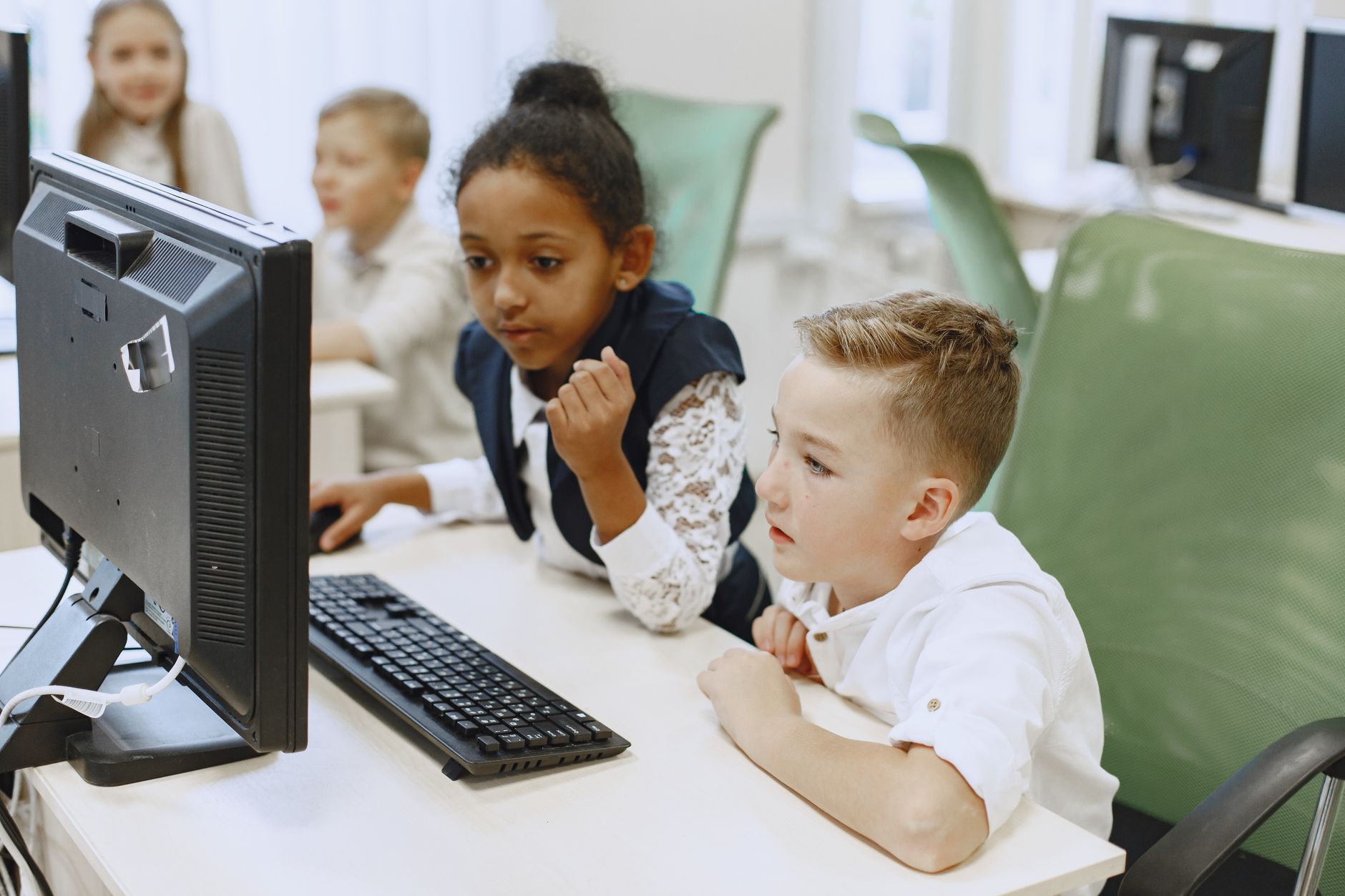
Early morning in Bengaluru. The scent of jasmine and filter coffee hangs in the air, a familiar rhythm starting another day. But inside a fourth-grade classroom at the Vidya Niketan School, something new is stirring. A young student, initially hesitant with fractions, is now engrossed, guided by an AI tutor that has identified her specific points of confusion and crafted a series of interactive problems perfectly pitched to her pace. This isn't a scene from a science fiction novel. This is now. This is India. And this is the promise of AI in our classrooms.
For too long, the narrative around AI in education has been dominated by anxieties: the fear of replacement, the loss of human connection. But as editors at The NASCA Journal, observing innovations from Mumbai to Delhi, we see a different story unfolding. We see a powerful ally for our teachers, a truly personalized guide for our students, and a vital tool for administrators navigating an increasingly complex educational landscape. Our work in Chennai and Pune confirms this.
The Teacher's New Ally
Consider the sheer volume of work demanded of a teacher in India. Large class sizes, diverse learning needs, administrative tasks, and the constant pressure to prepare students for competitive examinations. AI offers a profound reprieve. It can automate routine grading, freeing up precious hours for teachers to focus on what matters most: mentorship, creative lesson planning, and individualized student interaction. Imagine a history teacher in Jaipur, no longer spending hours marking essays, but instead designing an immersive project on the Mughal Empire, knowing that an AI system is providing instant, constructive feedback on student drafts. This isn't about reducing the teacher's role; it's about amplifying their impact, allowing them to truly teach.
A Path for Every Learner
One of education's greatest challenges is its inherent one-to-many model. A single lesson, delivered to many, often misses the unique spark in each child. AI fundamentally alters this dynamic. It can adapt, in real time, to a student's understanding, pace, and preferred learning style. For a student in a rural school in Uttar Pradesh, struggling with English phonetics, an AI assistant can provide endless, patient practice, tailoring pronunciation exercises until mastery is achieved. For a gifted mathematics student in Hyderabad, bored by conventional lessons, AI can offer advanced challenges and explore complex topics, preventing disengagement. This level of personalized learning, previously a utopian ideal, is now within our grasp, ensuring no child is left behind or held back.
Shaping Tomorrow's Innovators
Beyond immediate learning gains, the integration of AI prepares students for a world where AI fluency will be as crucial as literacy. By engaging with AI tools, students develop critical thinking skills, problem-solving abilities, and an intuitive understanding of complex systems. They learn to question, to experiment, and to collaborate with intelligent systems. In India, a nation poised to lead in technology and innovation, cultivating this proficiency from an early age is not merely advantageous; it is essential. From robotics clubs in Bangalore to AI ethics discussions in Delhi high schools, we are seeing the foundational elements of a future-ready workforce being laid. This is about nurturing a generation of creators, not just consumers, of technology.
We see AI as a profound opportunity to strengthen the heart of Indian education. It promises not a replacement for human wisdom, but an augmentation, providing tools that allow every teacher to teach more effectively, every student to learn more deeply, and every school to foster an environment of true intellectual growth. The future classroom in India, far from being cold and algorithmic, will be a place of deeper connection, richer inquiry, and boundless potential, driven by the intelligent integration of technology. It will reflect the dynamism and ambition of our nation itself.
Frequently asked
No. AI is an assistant, not a replacement. It handles routine tasks, allowing teachers to focus on mentorship, creativity, and deeper student engagement. The human element of teaching remains irreplaceable.
Accessibility is improving rapidly. Many AI educational tools are cloud-based and can be accessed with basic internet connectivity and devices. Government initiatives and private partnerships are working to expand digital infrastructure to these regions.
Certainly not. AI can enhance learning across all subjects, from personalized language practice in English and Hindi to adaptive problem-solving in mathematics and interactive history lessons. Its applications are broad and versatile.
We must consider data privacy, algorithmic bias, and equitable access. NASCA advocates for transparent, secure, and culturally relevant AI development. Discussions around these ethics are crucial for responsible implementation.
Encourage curiosity, critical thinking, and problem-solving skills. Familiarize children with basic technology, and discuss the role of AI in their daily lives. Focus on developing skills that complement, rather than compete with, AI capabilities.
One piece of writing on AI in education. Every Monday morning. From the editors of NASCA, in seven countries. No spam, unsubscribe in one click.
Bring NASCA to your school.
If this piece resonated, the next step is a conversation. A real person from our team will reply within one working day.