Britain's Kids Need AI: A Curriculum Rethink
British children are navigating an AI-driven future, but the current curriculum leaves them unprepared. This piece argues for an urgent and radical educational shift.
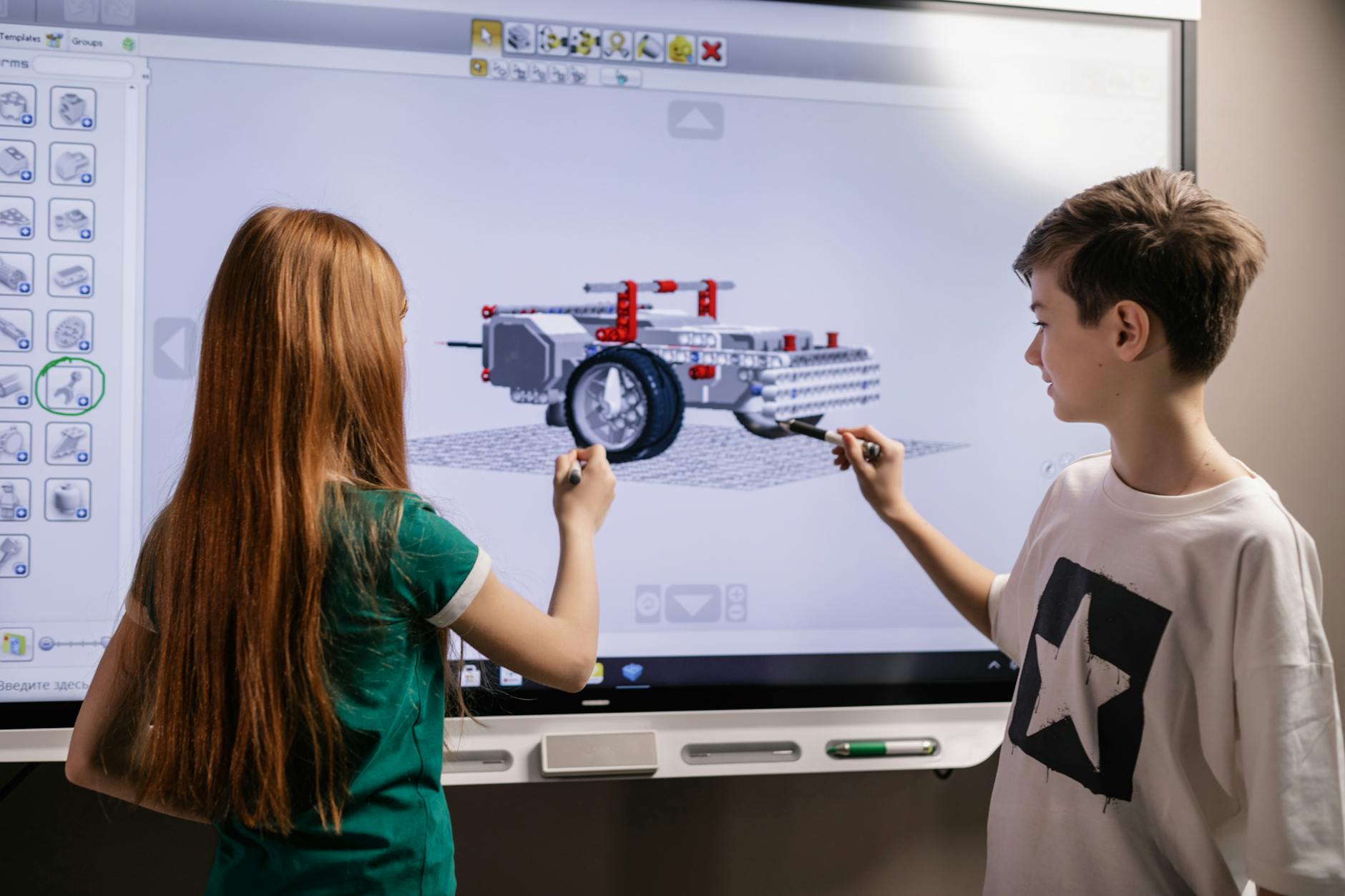
When the UK Department for Education launched its AI in Education Call for Evidence in early 2024, it acknowledged artificial intelligence would "change the world dramatically." But while policy papers and strategic roadmaps accumulate, the reality on the ground in British classrooms paints a different picture.
Today, a generation of British children attends schools where the curriculum largely ignores the profound impact AI will have on their lives and careers. Educators and industry leaders increasingly warn that this oversight risks leaving young people ill-equipped for the opportunities and challenges ahead. The call for a fundamental reassessment of what and how we teach has never been more urgent.
Frequently asked
Yes, it largely is. While some elements touch upon digital literacy, the comprehensive integration of AI literacy, ethical considerations, and practical AI skills is profoundly lacking. It's akin to teaching basic arithmetic in the age of calculus.
Beyond basic coding, the curriculum needs to include modules on AI ethics, data literacy, the societal impact of AI, and problem-solving with AI tools. It should encourage critical thinking about AI, rather than just passive consumption.
Not necessarily. The goal is to equip students to understand and critically engage with AI, not merely to use it. This fosters a deeper understanding of technology's role and limitations, promoting a balanced approach.
Comprehensive and ongoing professional development is essential. This includes not only technical training but also pedagogical approaches to teaching AI literacy and ethics. Universities and teacher training colleges must lead this charge.
A widening skills gap, reduced global competitiveness for the UK workforce, and a generation of citizens ill-equipped to critically navigate an AI-saturated world. This could exacerbate societal inequalities and reduce civic engagement with technological discourse.
One piece of writing on AI in education. Every Monday morning. From the editors of NASCA, in seven countries. No spam, unsubscribe in one click.
Bring NASCA to your school.
If this piece resonated, the next step is a conversation. A real person from our team will reply within one working day.