Singapore Schools, AI, and the Human Element
In Singapore, educators explore how AI deepens human connection rather than replacing it. We look at classrooms where technology enhances understanding and creativity.
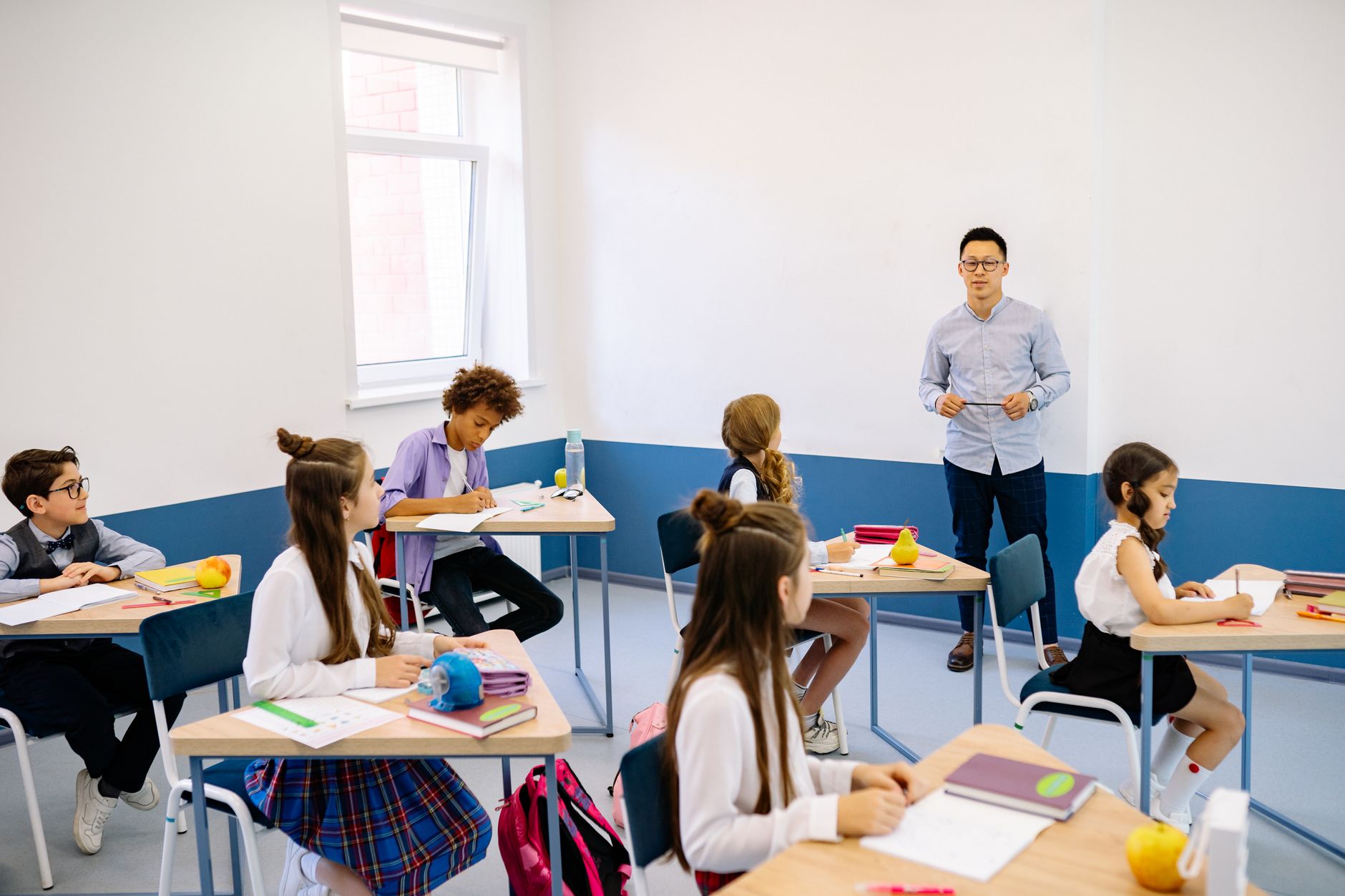
In a brightly lit classroom in Clementi, a group of secondary school students debated the ethical implications of a generative AI creating artwork. Their teacher, Ms. Lim, guided them not towards a single answer, but towards deeper questions. The conversation flowed, not about the AI's technical prowess, but about human creativity, ownership, and what it truly means to make something new. This isn't a scene from a futuristic film; it is Singapore today, where technology is woven into the educational fabric, enhancing, not eclipsing, the human touch.
We at NASCA have always believed that education flourishes at the intersection of innovation and human ingenuity. In Singapore, this belief takes tangible form. The Ministry of Education’s forward-thinking approach means that AI is not just a tool for efficiency, but a catalyst for richer learning experiences. We see it in the early years, where adaptive learning platforms identify a child's unique pace, allowing teachers more time for one-on-one interaction. We see it in university lecture halls, where AI-powered analytics help faculty understand student engagement patterns, informing more targeted pedagogical strategies.
The Teacher as Architect of Thought
Some worry that AI diminishes the role of the teacher. We find the opposite to be true. Consider a history class at Raffles Institution, where students use AI tools to sift through vast archives of historical documents. The AI identifies patterns and connections, but it is the teacher who teaches critical inquiry. It is the teacher who fosters the nuanced understanding, the skepticism, and the intellectual courage to challenge narratives. The machine provides data, but the human provides wisdom, context, and the spark of genuine intellectual curiosity. Teachers become less purveyors of information and more architects of thought, guiding students through complex intellectual landscapes.
Creativity Beyond the Algorithm
AI generates text, images, and music with astonishing fluency. Does this mean human creativity is obsolete? Not at all. In fact, it provides a new benchmark, a new frontier. At Nanyang Polytechnic, design students use AI to rapidly prototype ideas, iterating through hundreds of variations in minutes. This frees them to focus on the why and the what if, on the emotional resonance and cultural significance of their designs. The AI handles the rote, the iterative, allowing human designers to soar in the realm of conceptual innovation. We see similar trends in creative writing workshops at NUS, where AI-generated prompts serve as springboards for students to develop their unique voices and narratives.
The Future, Human-Centred
Singapore's approach reminds us that technology is a mirror, reflecting our intentions. If we intend for it to automate human connection, it will. But if we intend for it to deepen human connection, to free us for more profound engagement, it can. The discussions we hear in school assembly halls, the projects we see in science fairs, the innovative approaches taken by educators across the island, all point to a future where AI amplifies the very best of human potential. It's a future where a child in Tampines learns not just to use AI, but to understand what it means to be human in its presence.
Singapore, today, offers a compelling vision: that the more powerful our tools become, the more essential our humanity remains. We are not just preparing students for a world with AI; we are preparing them to build a world where AI serves humanity, enriching our classrooms and our lives.
Frequently asked
No, Singapore's approach suggests AI enhances the teacher's role, allowing them to focus on critical thinking, nuanced understanding, and personal guidance, rather than replacing their core functions.
AI can handle repetitive tasks and generate rapid prototypes, freeing students to concentrate on conceptual innovation, deeper meaning, and developing their unique creative voices.
Singapore's educational philosophy integrates AI not just for technical skills, but also for ethical discussions, critical inquiry, and understanding the human implications of technology.
Adaptive learning platforms use AI to tailor educational content to individual student paces, allowing teachers more dedicated time for personalised attention and support.
We view Singapore's strategy as exemplary, focusing on how AI can deepen human connection and amplify potential, rather than merely replacing existing processes.
One piece of writing on AI in education. Every Monday morning. From the editors of NASCA, in seven countries. No spam, unsubscribe in one click.
Bring NASCA to your school.
If this piece resonated, the next step is a conversation. A real person from our team will reply within one working day.