The Intelligence of the Hand: What New Spatial Cognition Research Teaches the AI Classroom
A landmark multi-country study confirms that hands-on physical engineering paired with ambient AI doubles conceptual retention over screen-only software.
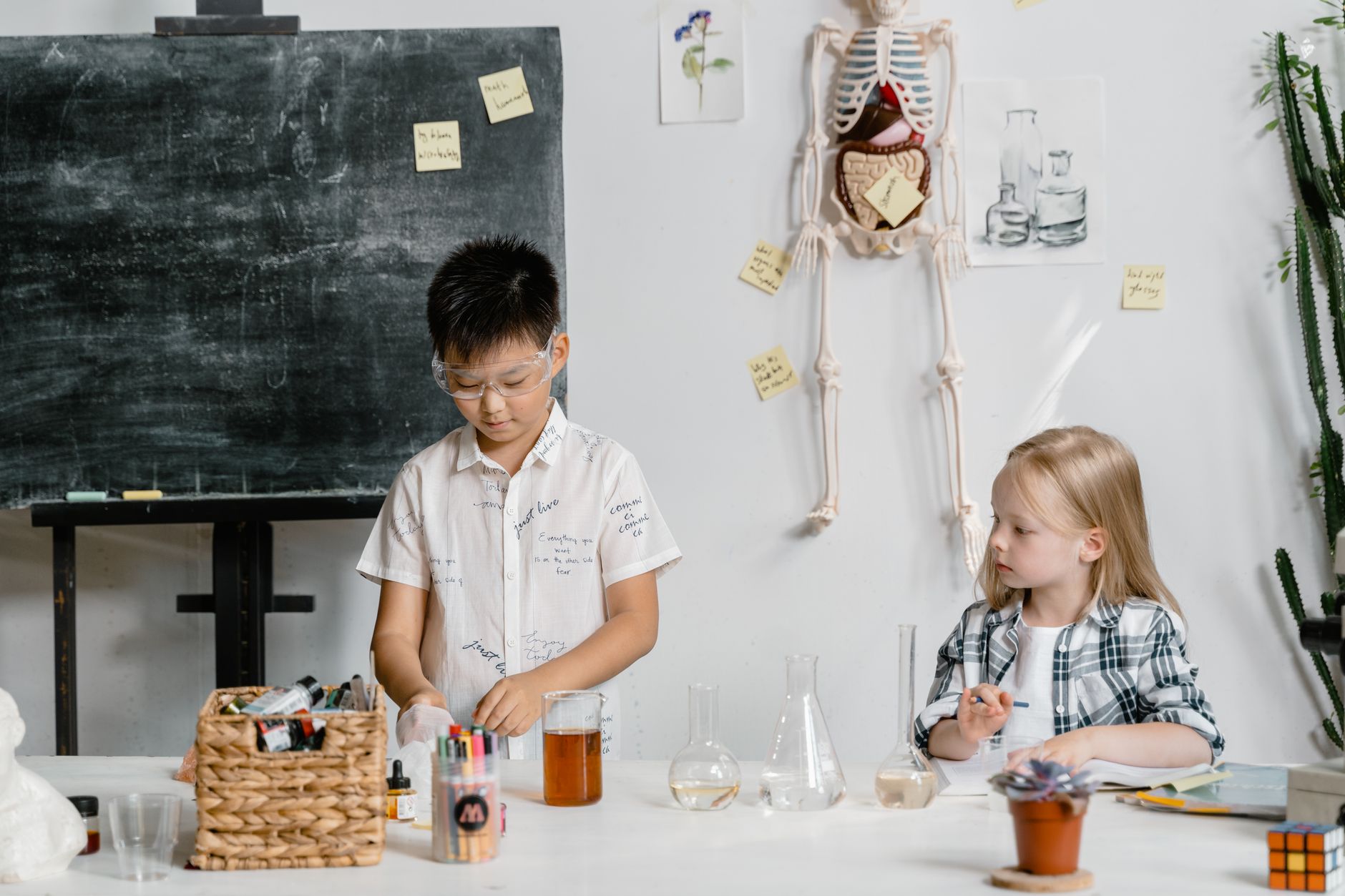
On a drizzly Tuesday morning in Newcastle, thirty-four eleven-year-olds gathered around wooden benches to build mechanical tides. They used scrap balsa wood, small brass pins, and an open weights system. Nearby, a tabletop neural model measured the frequency of their wave simulator, translating rhythmic hand cranks into real-time fluid dynamics on an ink-paper display.
Nobody looked at a screen for more than four seconds at a stretch. The room smelled of cedar shavings and rain.
This scene mirrors the findings of the 2026 Global Spatial Cognition Cohort, a longitudinal study across eighteen thousand students spanning Edinburgh, Bengaluru, Melbourne, and Osaka. For four years, developmental cognitive scientists tracked how learners grasp multi-variable science when their physical hands remain the primary input device, while quiet background models track their spatial reasoning.
The paper offers a refreshing verdict. Tangible computation produces twice the conceptual retention of flat-screen simulations. Physical resistance anchors abstract math in muscle memory.
The Weight of Thought
For years, digital education treated the hand as an incidental pointer. Glass surfaces dominated classrooms. A child tapped, dragged, and pinched pixels to mimic gravity, friction, and torque.
The newest cognitive imaging tells a richer story. When a child adjusts an actual brass counterweight against a pivot, their motor cortex lights up in direct dialogue with the parietal lobe. The brain treats weight, texture, and structural balance as algebraic variables before formal notation even arrives on the page.
Real understanding lives in the thumb and forefinger. When we give children physical leverage, we hand them the grammar of physics.
In the Osaka cohorts, researchers observed how children solved structural equilibrium problems. Half the cohort used polished tablet physics engines with haptic buzzes. The other half used modular bamboo trusses paired with computer-vision strain gauges. Both groups grasped the core formulas by week three.
By month six, however, the bamboo group could transfer those static load principles to completely new tasks, such as designing acoustic baffles or wind deflectors, with effortless fluency. Their hands had stored the torque.
Models That Listen Rather Than Lecture
What distinguishes this new wave of classroom research from vintage craft workshops is the subtle presence of generative inference. In the Newcastle laboratory, the artificial intelligence was entirely invisible. It ran locally on a small slab of slate beneath the bench.
Instead of presenting interactive multiple-choice prompts or flashing celebratory banners, the system listened. It monitored the cadence of the students' mechanical assembly through tiny overhead optical lenses. When a pair of students stalled on an unbalanced cam, the tool refrained from offering the answer. Instead, it projected a faint ripple of light across the timber, highlighting where torsional stress accumulated.
The machine acted as an environmental amplifier. It invited curiosity without interrupting the rhythm of physical trial and error.
We see this approach spreading quietly through our partner studios from Singapore to Dubai. When algorithmic systems step back into an ambient, observational role, human social dynamic flourishes. Children speak directly to one another. They debate hypotheses. They lean over the table together.
The Sensory Architecture of Memory
The research team in Bengaluru added an intriguing variable to the study: acoustic feedback.
They designed kinetic gearboxes where algorithmic models translated harmonic resonance into pitch. As students adjusted tooth ratios on hand-turned nylon gears, the gearboxes hummed distinct musical intervals. Perfect prime ratios created warm fifths and octaves. Friction produced soft dissonance.
Children who learned mathematical ratios through these acoustic gearboxes showed an unprecedented grasp of fractional division. They did not memorize algorithmic steps for fractions. They tuned them like violins.
Abstract numeracy flourishes when anchored to multi-sensory landmarks. Sight alone is a narrow doorway. By engaging hearing, touch, and spatial equilibrium simultaneously, schools build an architecture where ideas take permanent root.
Cultivating Physical Fluency in Every Room
Principals often ask how traditional schools can welcome this hybrid reality without overhauling their architectural foundations. The answer lies in modest, deliberate iterations.
Begin by restoring benches where materials can stay assembled across weeks. Introduce quiet sensor packs that clip onto classic mechanical apparatuses, whether that means pendulum bobs in Riyadh or water channels in Brisbane. Allow local models to provide diagnostic observations to the teacher, freeing the instructor to wander, listen, and pose piercing questions.
When we unite the tactile heritage of physical science with ambient intelligence, education regains its vital pulse. Children discover that their physical agency shapes the material world, and computational models become companions to their craft.
The most sophisticated classroom of tomorrow looks remarkably like an artisan workshop, humming with the timeless joy of things being made by hand.
Frequently asked
The 2026 study tracked eighteen thousand students across four years, measuring conceptual retention, multi-variable problem solving, and long-term knowledge transfer between physical-first and screen-first learning environments.
Physical resistance and weight activate the motor cortex and parietal lobe simultaneously, allowing the brain to understand mathematical variables such as torque and mass as sensory experiences before translating them into formulas.
Ambient AI operates quietly in the background through optical or acoustic sensors. It observes mechanical construction and provides subtle visual or auditory cues rather than intrusive pop-up quizzes or on-screen instructions.
One piece of writing on AI in education. Every Monday morning. From the editors of NASCA, in seven countries. No spam, unsubscribe in one click.
Bring NASCA to your school.
If this piece resonated, the next step is a conversation. A real person from our team will reply within one working day.