India's Classrooms, AI's Shadow
Integrating AI into India's education system does more than just update technology; it fundamentally alters what and how students learn, sometimes in ways we don't anticipate. This piece explores the profound, often subtle, shifts AI introduces.
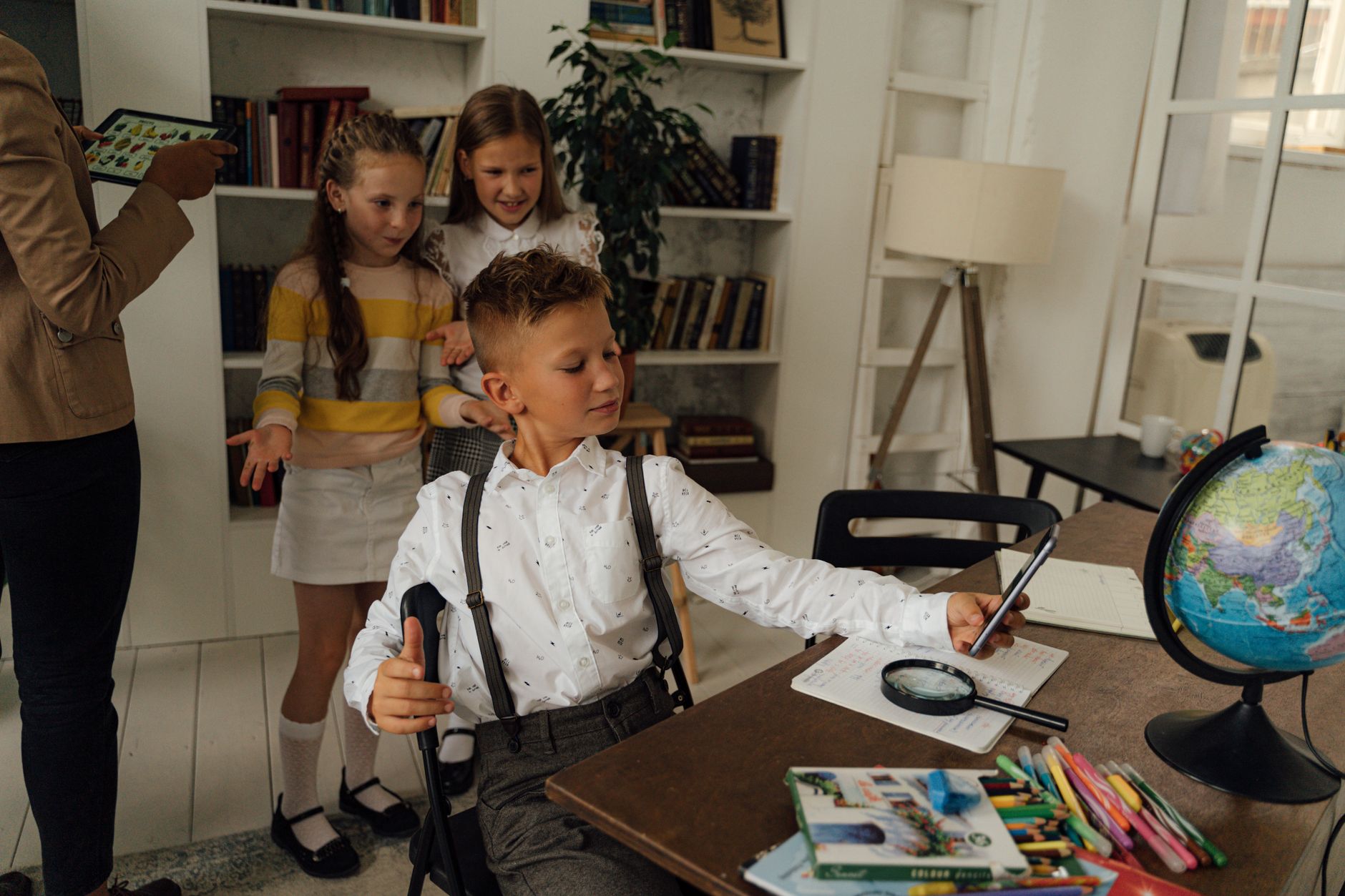
In June 2023, the Indian Ministry of Education announced a national framework for AI integration in schools, a decisive step towards equipping millions of students with future-ready skills. This initiative signals a clear commitment to leveraging artificial intelligence across the country's vast and varied educational system, from sprawling urban centers to remote villages. But as AI tools become more prevalent, their influence extends far beyond mere technological upgrades or enhanced lesson plans.
The real impact of artificial intelligence isn't just about what it enables us to teach, but what it inherently teaches us. The introduction of algorithms, personalized learning paths, and automated feedback mechanisms introduces a new curriculum, delivered not by educators, but by the very logic and structure of the technology itself. This unwritten curriculum is quietly shaping how students perceive knowledge, intelligence, and even their own role in a rapidly digitizing world.
Consider the child in Chennai who relies on an AI tutor for mathematics. The tutor provides instant feedback, identifies weaknesses, and suggests remedial exercises. On the surface, this is efficiency personified. But what of the subtle lessons this child absorbs? The expectation of immediate gratification, the reduced patience for human fallibility, the implicit understanding that knowledge acquisition can be a solitary, screen-bound journey. These are not explicit learning objectives; they are atmospheric pressures, shaping the learning temperament of a generation. In Mumbai, our own NASCA Foundation projects exploring AI literacy in collaboration with local schools have observed a tangible shift in how students approach problem-solving, often seeking algorithmic shortcuts before grappling with deeper conceptual understanding.
This is not to dismiss the immense benefits AI offers. Imagine the teacher in a remote village in Rajasthan, suddenly empowered with AI-driven translation tools, bridging language barriers for students whose native tongue differs from the official medium of instruction. Or the student in Bangalore, accessing advanced scientific simulations previously confined to well-funded urban institutions. These are breakthroughs, certainly. But like any powerful intervention, AI comes with unspoken costs and unintended lessons.
The Imperative of Human Wisdom
The true test of AI in Indian education, then, is not merely its technological deployment, but our conscious integration of its unseen curriculum into our pedagogical philosophy. Are we fostering a generation that values algorithmic certainty over the messy, circuitous path of human discovery? Are we inadvertently devaluing the human connection, the shared laughter and frustration that define a vibrant classroom? The very efficiency of AI can inadvertently diminish the appreciation for effort, for the slow bloom of understanding that comes from struggle and collaboration.
In New Delhi, ministry discussions often focus on quantitative metrics: increased test scores, broader access. These are important, but insufficient. We must look beyond the data points to the qualitative shifts in learning behavior and attitudes. The child who learns from an AI might master facts faster, but does she learn empathy? Does she understand ethical complexities? Does she develop the nuanced critical thinking that arises from debating with peers and challenging a human instructor?
The Art of Intentional Integration
Our task now is not to resist AI, for its presence is assured, but to master its integration with wisdom and foresight. This means designing AI ecosystems that prioritize inquiry, collaboration, and ethical reasoning alongside factual recall. It means educating teachers, not just on how to use AI tools, but on what those tools implicitly teach. It means fostering environments where the human touch remains paramount, where AI serves as a powerful assistant, not a detached replacement.
For instance, if an AI provides personalized feedback, the teacher's role becomes even more critical in interpreting that feedback, in understanding the child's emotional response, and in discussing the why behind the AI's suggestions. The classroom, whether in Hyderabad, Kolkata or Lucknow, must remain a sanctuary for human interaction, for the cultivation of creativity, cultural understanding, and the often-unquantifiable social-emotional skills that define truly educated individuals.
In the grand narrative of Indian education, AI is but a new chapter. How we write it, what values we embed between its digital lines, will determine whether it truly liberates minds or subtly, unknowingly, confines them.
Frequently asked
AI offers significant benefits like personalized learning and broader access. However, its uncritical implementation risks eroding vital human elements of education and shaping learning temperaments in unintended ways. It is neither wholly good nor bad, but a tool whose impact depends entirely on our intentional integration.
AI can implicitly teach an expectation of immediate gratification, a reduced patience for human fallibility, a preference for algorithmic solutions over deep conceptual understanding, and a potentially solitary approach to learning, de-emphasizing collaboration and human connection.
Teachers can counteract negative aspects by focusing on critical thinking, ethical discussions, and collaborative projects. They should interpret AI feedback with human insight, prioritize emotional and social development, and ensure the classroom remains a space for rich human interaction, making AI a supportive tool rather than a dominant force.
Policymakers must look beyond quantitative metrics and consider the qualitative shifts in learning behavior. They need to develop policies that encourage ethical AI use, support teacher training in AI pedagogy, and foster educational ecosystems where AI enhances, rather than replaces, human connection and holistic development. The focus should be on wise integration.
Yes, the NASCA Foundation is actively exploring AI literacy and its ethical implications in collaboration with schools across India, observing shifts in student problem-solving and advocating for a balanced, human-centric approach to AI integration in education.
One piece of writing on AI in education. Every Monday morning. From the editors of NASCA, in seven countries. No spam, unsubscribe in one click.
Bring NASCA to your school.
If this piece resonated, the next step is a conversation. A real person from our team will reply within one working day.