Specialisations
Sixteen sub-streams. One way of thinking.
Every NASCA learner picks streams that match their curiosity. Each one is hands-on, project-based, assessed, and stacks into a single, coherent way of seeing the world.
Quick answer
NASCA teaches STEM and AI through project-led specialisation streams including Artificial Intelligence, Robotics and Mechatronics, Coding, Data Science, Internet of Things, Electronics, Cyber Security, Blockchain, Quantum Computing, Computational Thinking and Design Thinking. Each stream runs across primary, middle and senior school and is assessed against a published rubric.
Streams stack year on year, so a learner who starts in Grade 1 leaves Grade 12 with a documented portfolio and a World STEM Federation credential.
The 16 sub-streams
Hover a stream. Watch it open.
Sixteen technology sub-streams stacked into one living shelf. Glide your cursor down. Each one expands to show what children build inside.

Artificial Intelligence
Foundations Grade 3–5 · Formal stream Grade 6–12: The defining technical literacy of this generation.

Data Science and Analytics
Grade 4–12: Collect it, clean it, question it, and only then draw the graph.
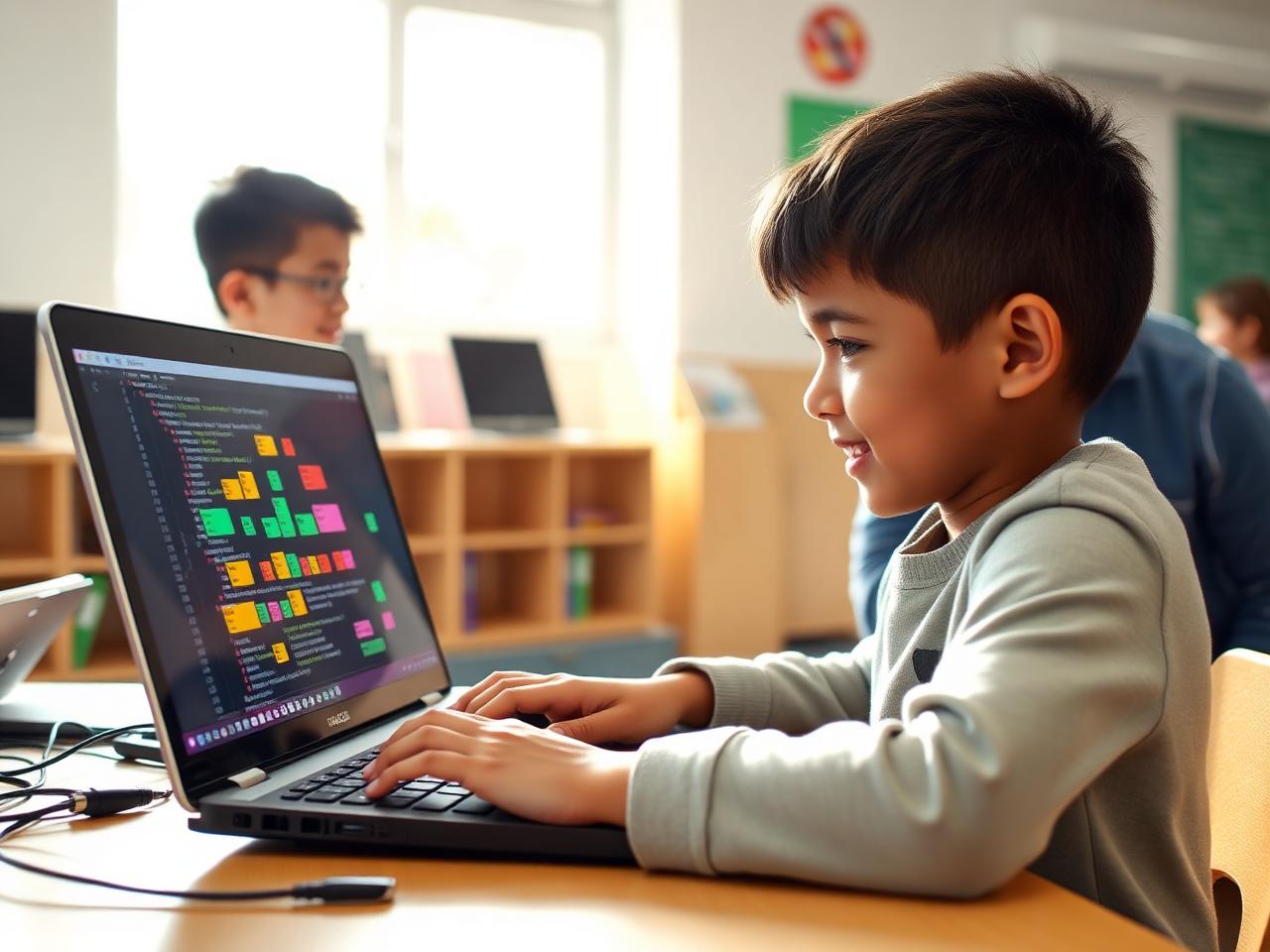
Coding and Programming
Grade 1–12: Blocks to Python to real software, written, broken and fixed by the student.
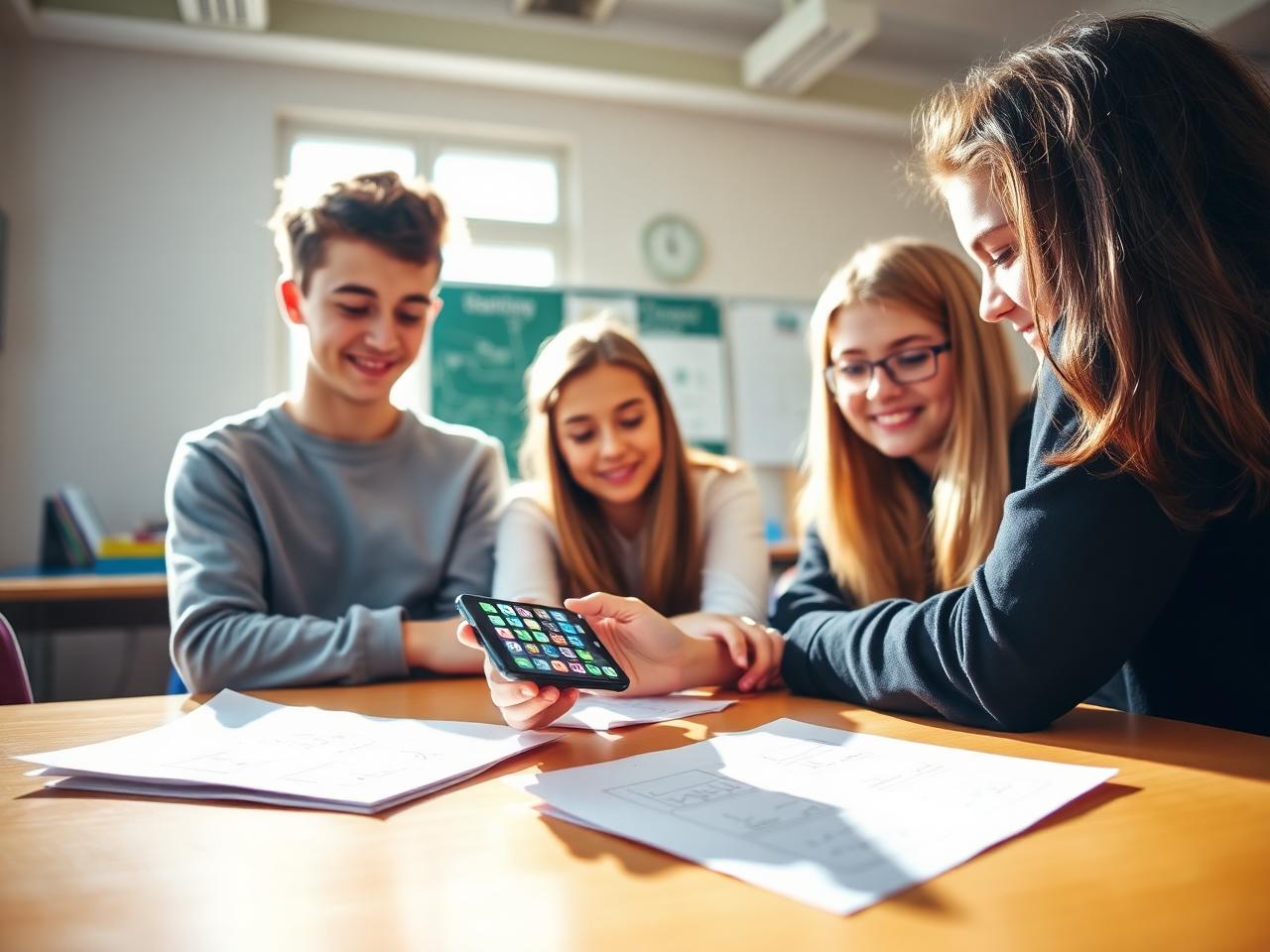
App Development
Grade 6–12: A working app on a real phone, used by real people in the school.
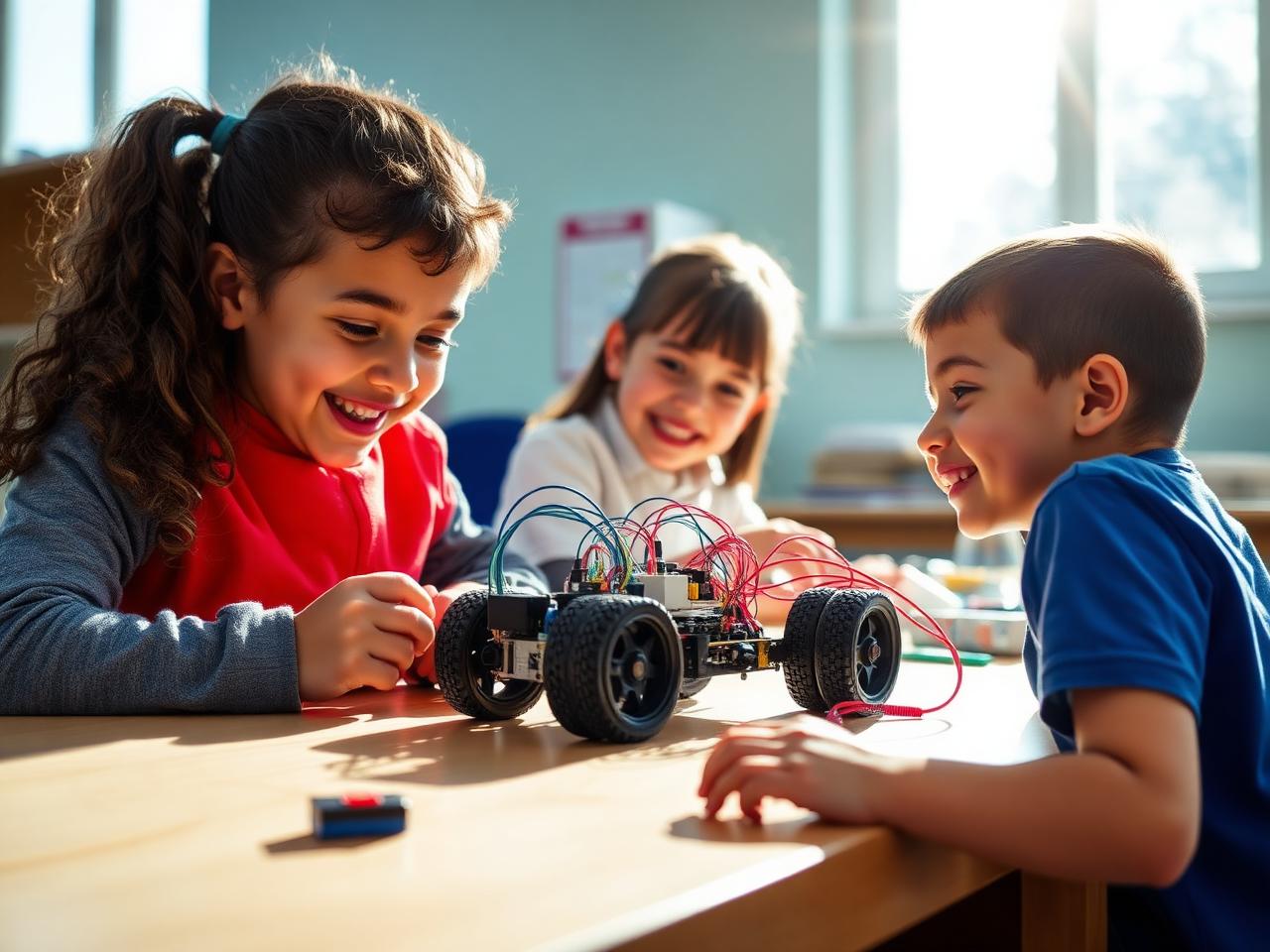
Robotics & Mechatronics
Grade 1–12: Mechanical design, electronics, embedded code and creative problem-solving on one workbench.
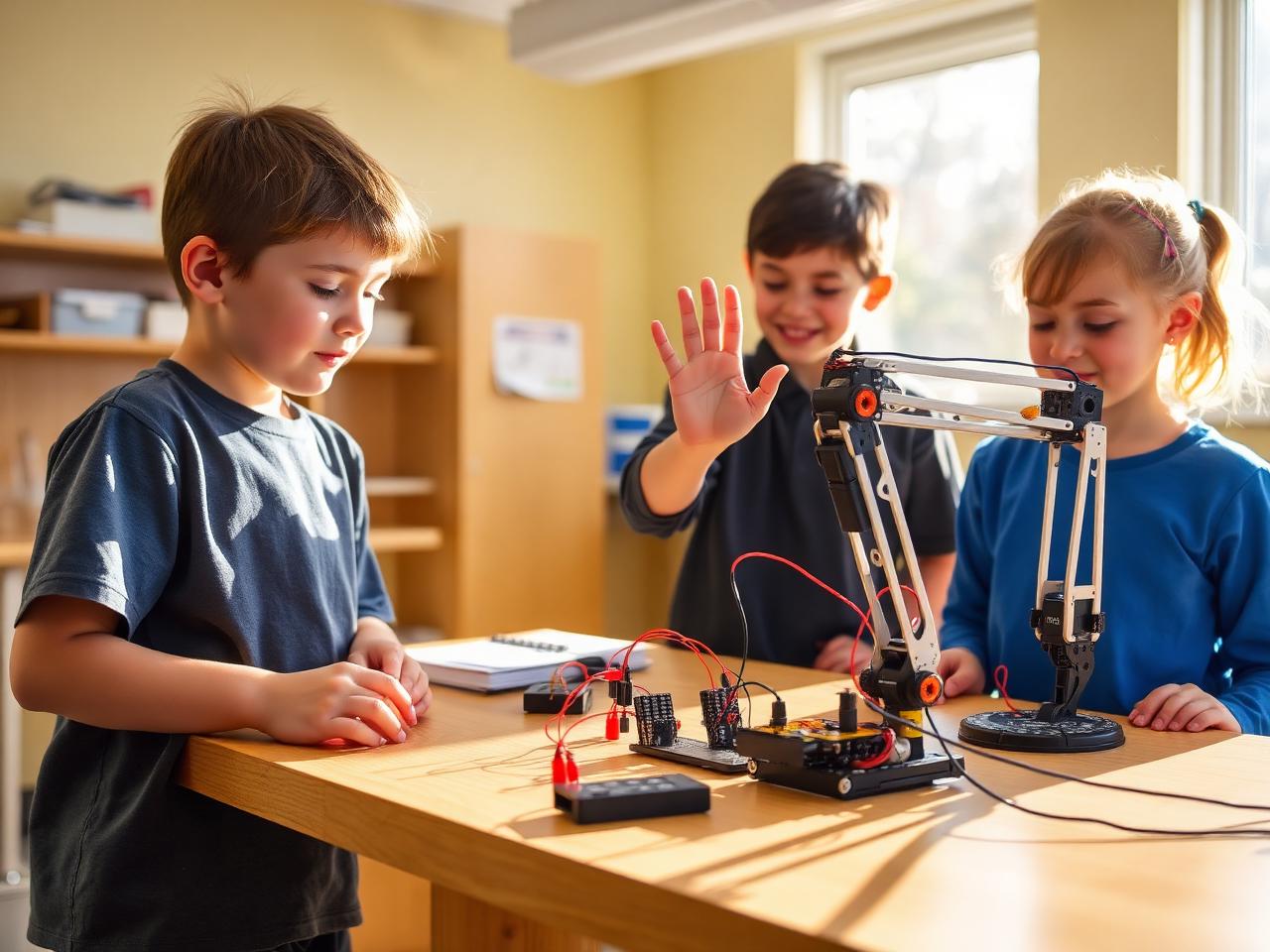
Sensors and Actuators
Grade 3–12: Reading the world accurately, then acting on it precisely.
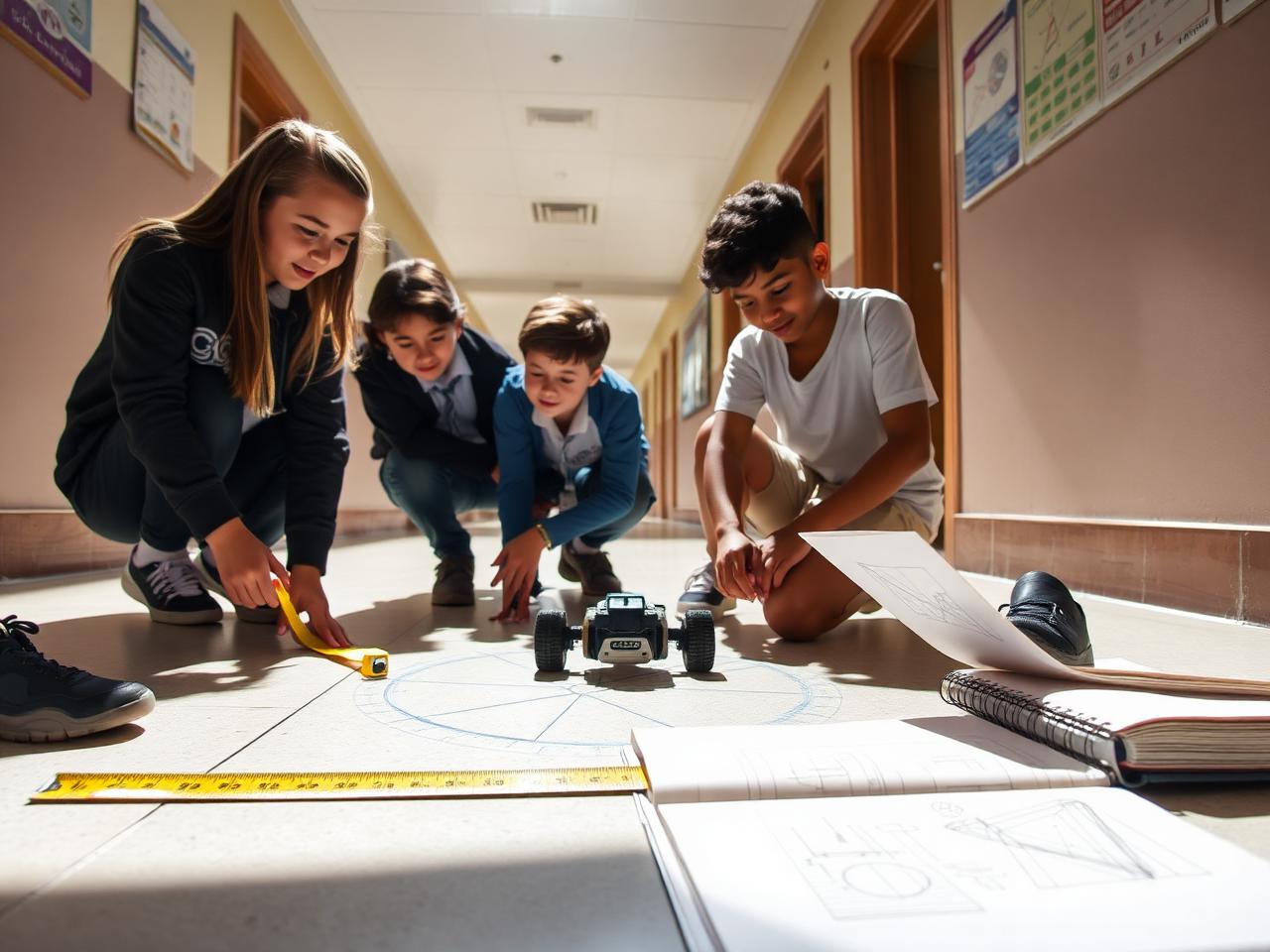
Mathematical Applications in Robotics
Grade 6–12: The maths a robot actually needs, taught where it is used.
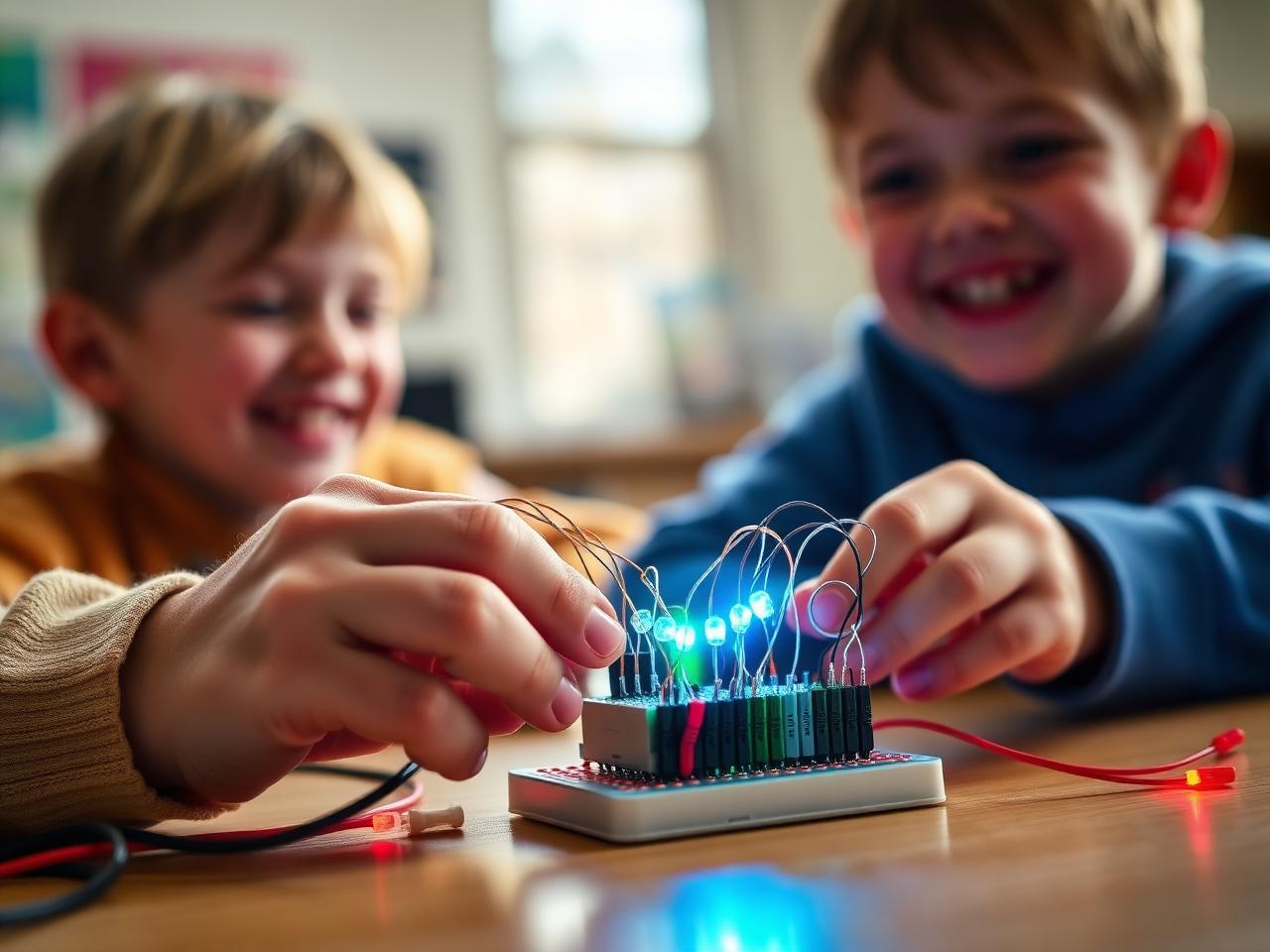
Electronics
Grade 1–12: From a single LED to multi-sensor circuits designed, wired and debugged by children.
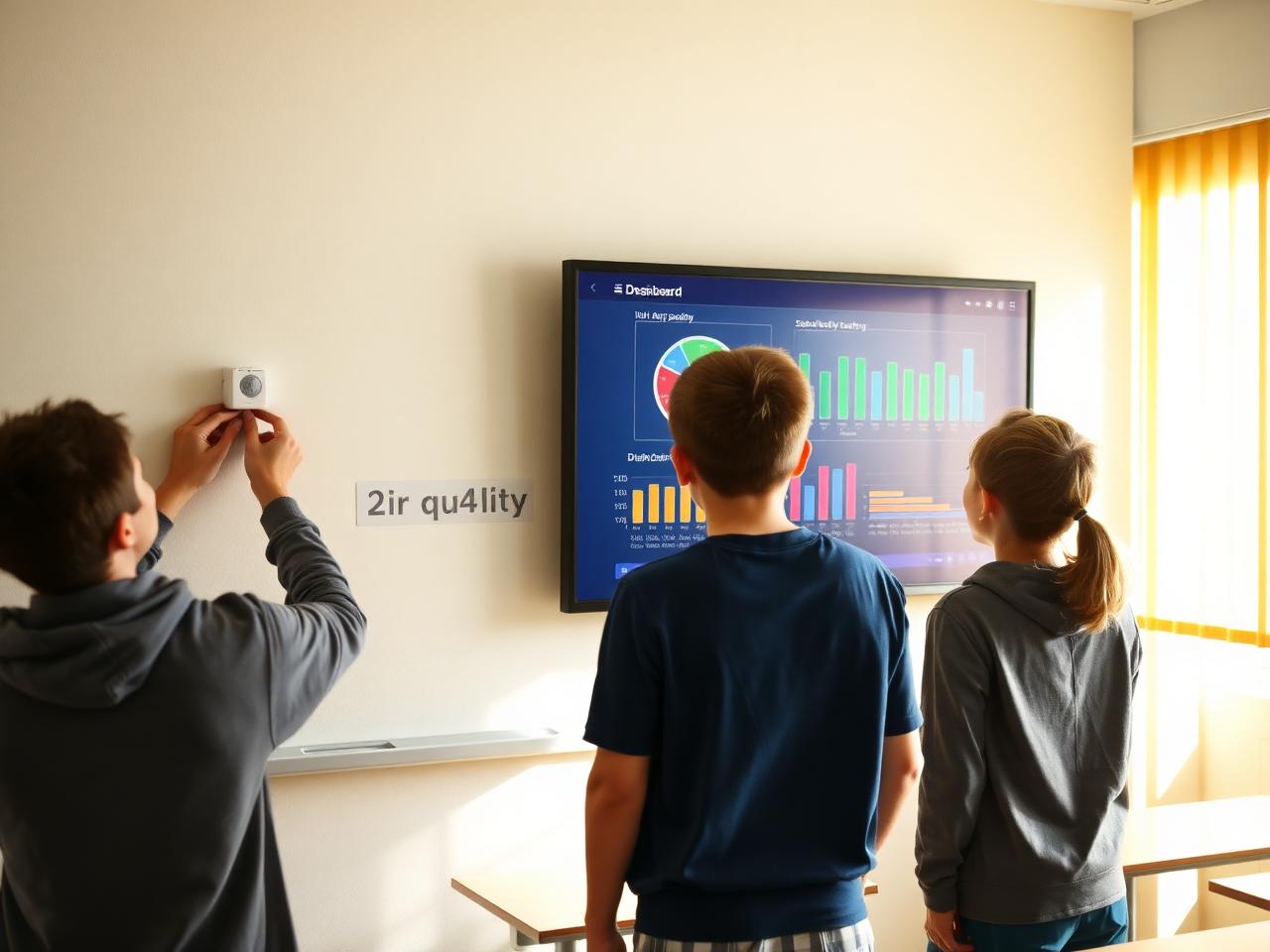
Internet of Things
Grade 6–12: Sensors on the wall, data in the cloud, dashboards the whole school reads.
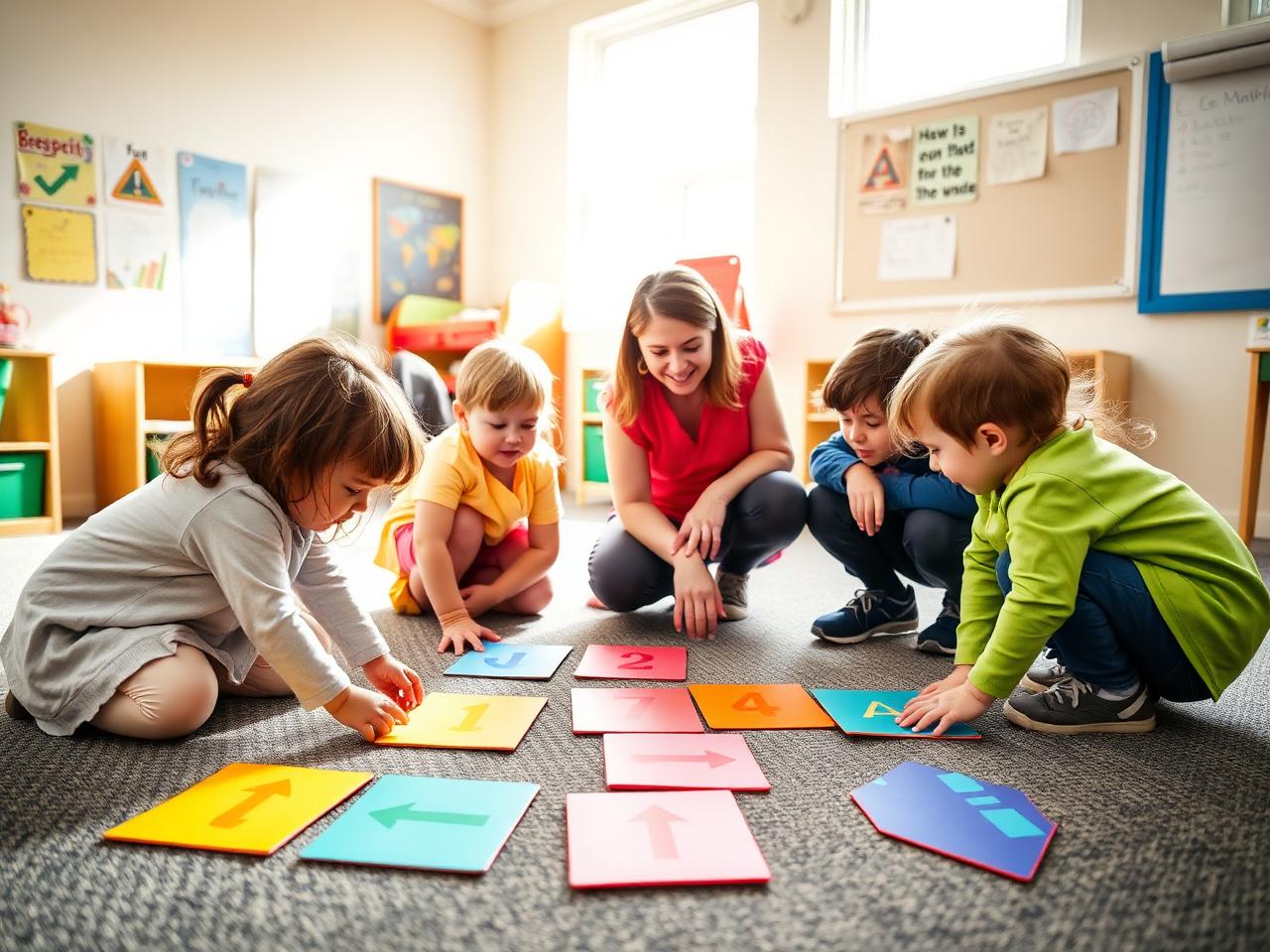
Computational Thinking
Grade 1–12: The foundational discipline that precedes and informs every other STEAM stream.
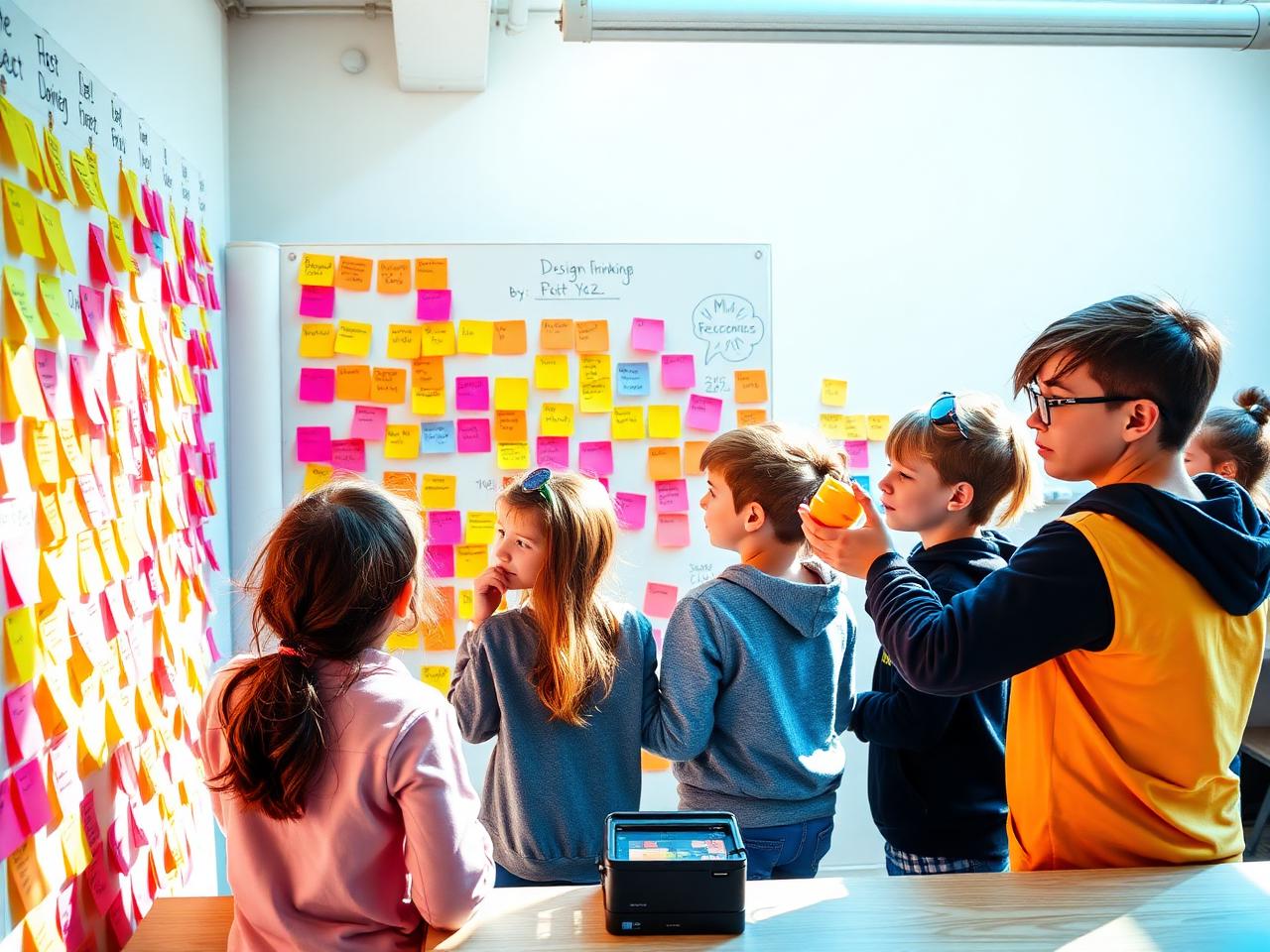
Design Thinking & 3D Technology
Grade 1–12: The five-stage human-centred process, with a 3D printing strand from Grade 5.
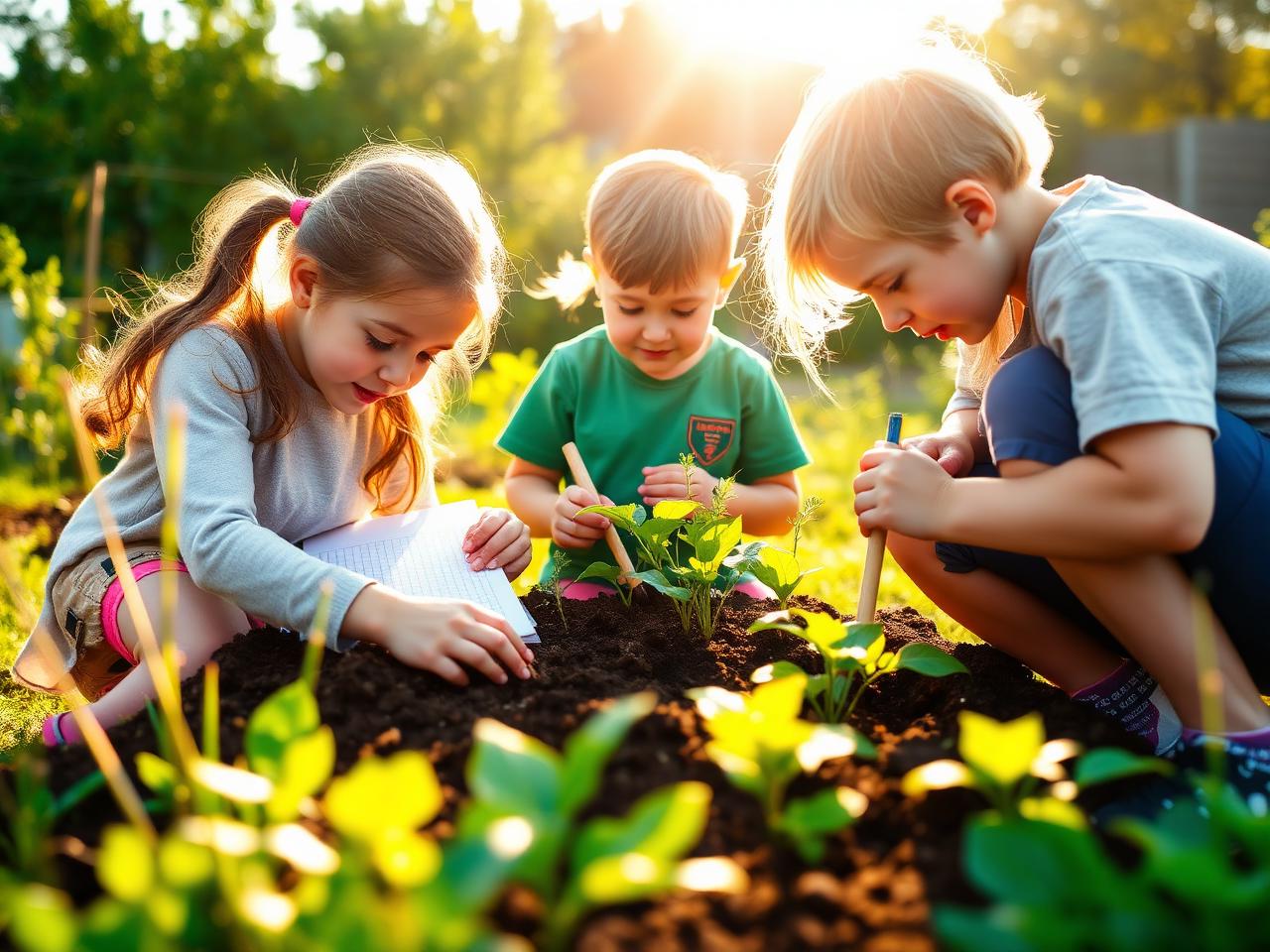
Backyard Science
Grade 1–5 entry point, continuing to Grade 12: science practised with the world outside the window.
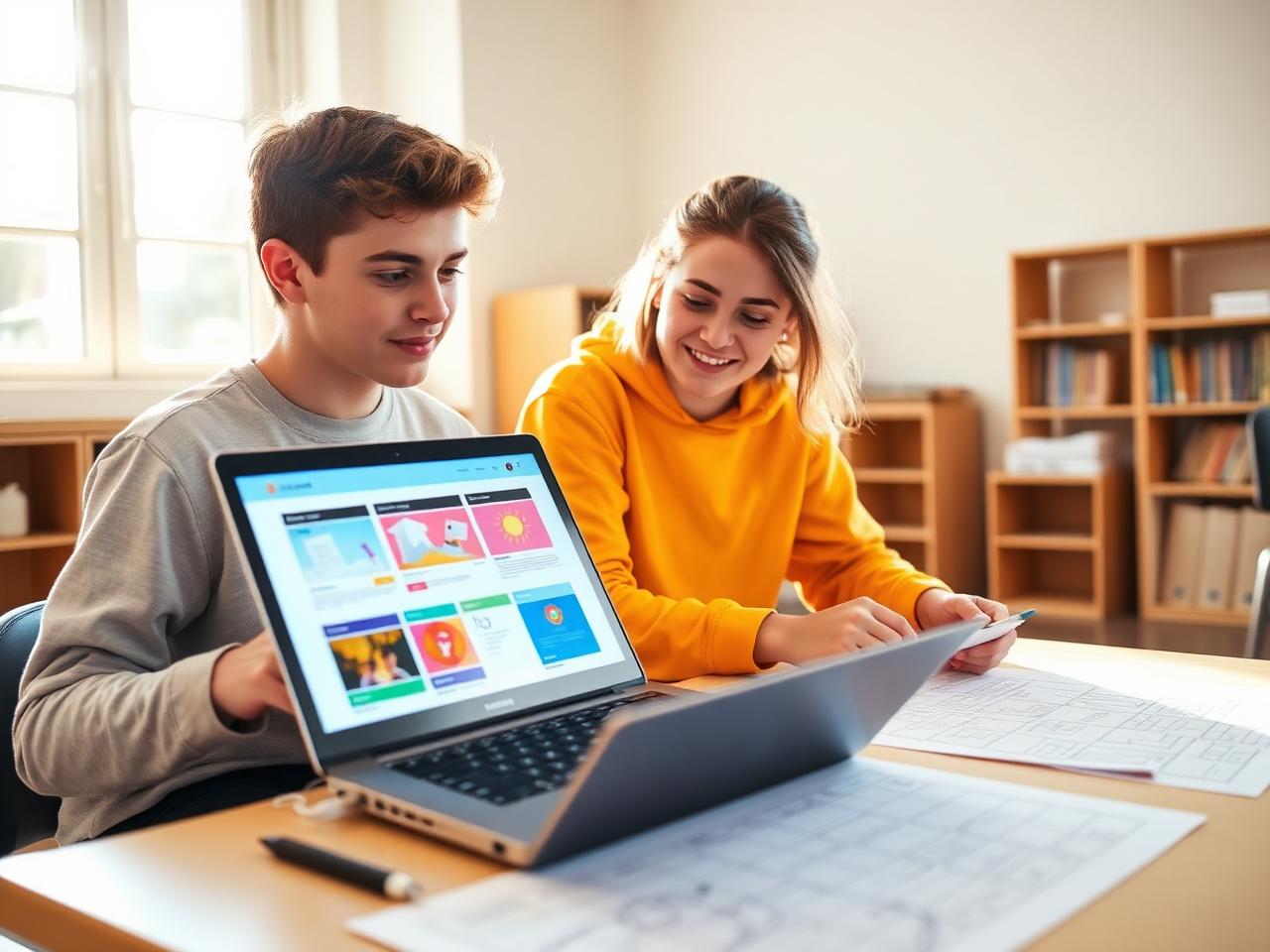
Digital Technologies
Grade 1–12: Building with technology, not merely using it, from first webpage to deployed app.
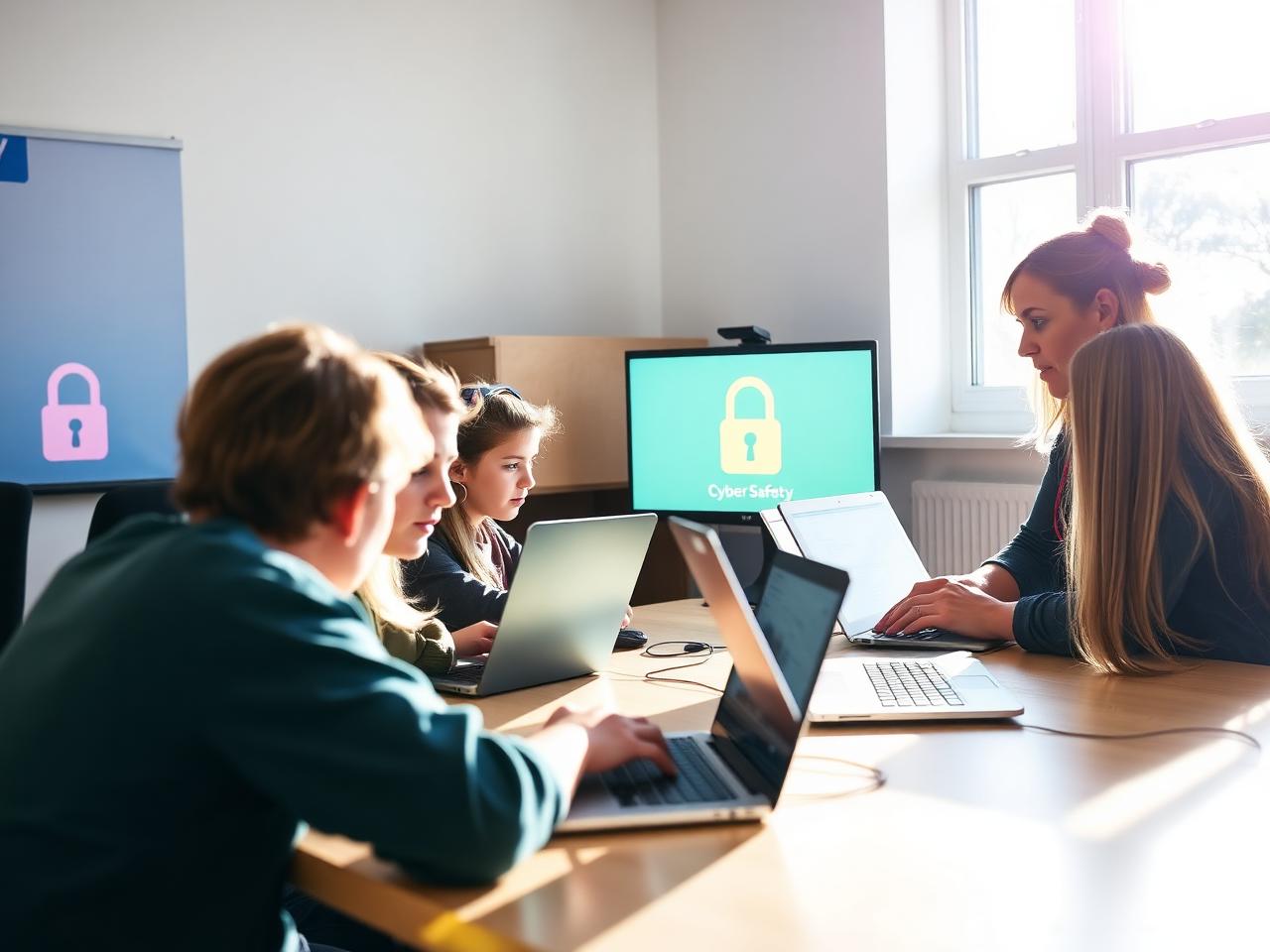
Cyber Security
Grade 7–12: From digital safety and cryptography to penetration testing, CTF and professional-format reporting.
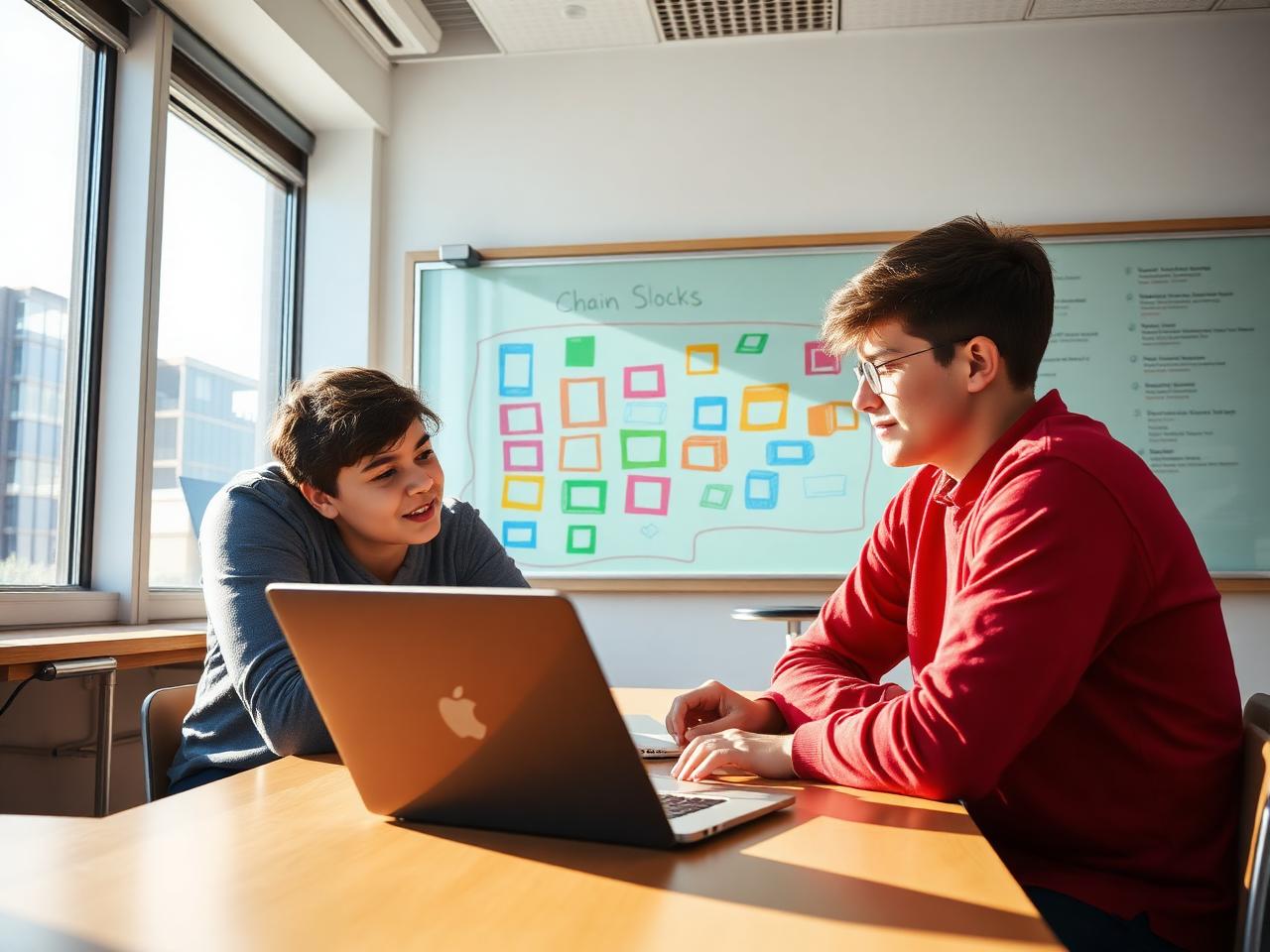
Blockchain
Grade 10–12: From cryptographic hashing to Solidity contracts on Ethereum testnets.
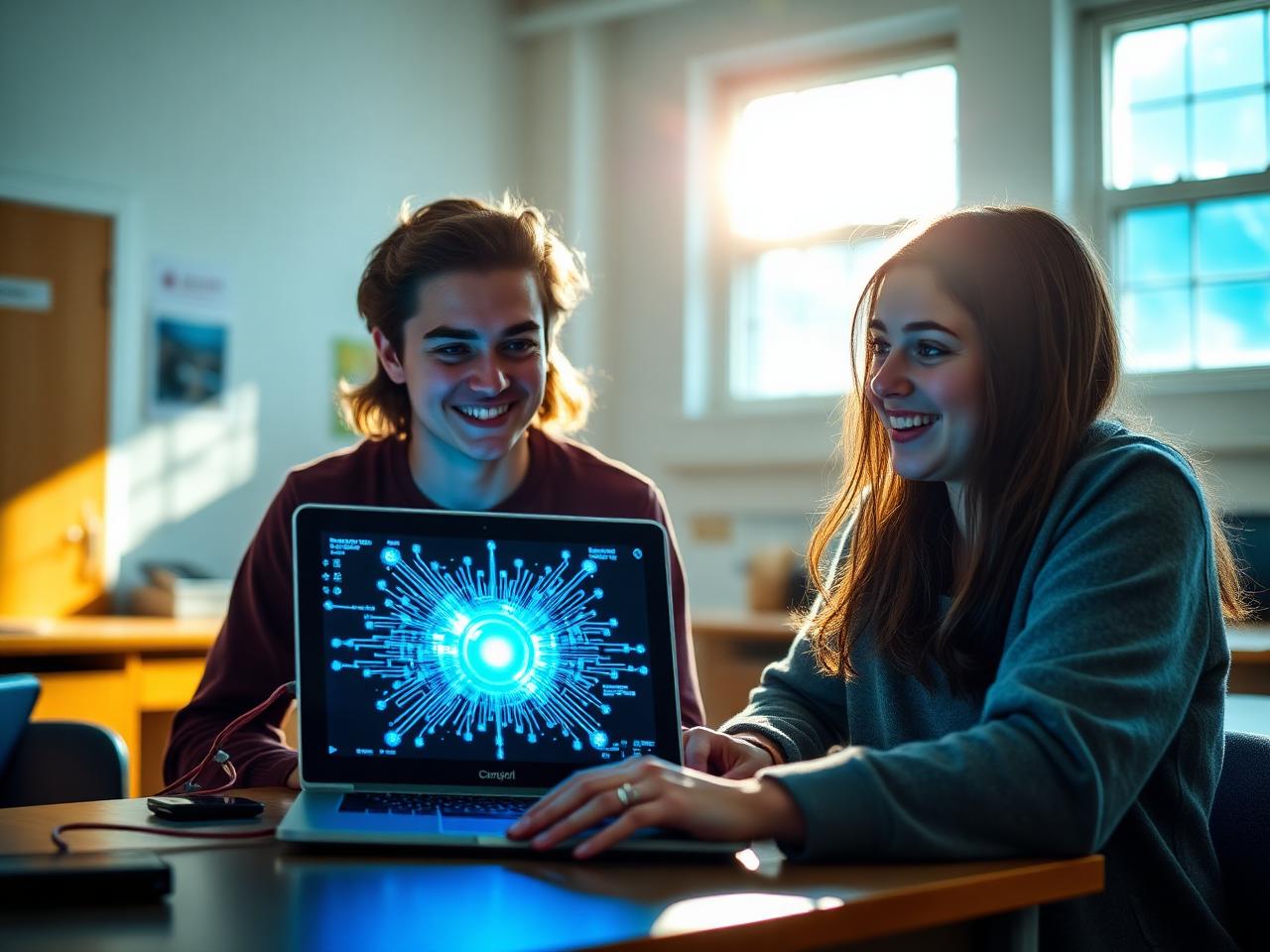
Quantum Computing
Grade 11–12: First-principles superposition and entanglement, then real circuits on IBM hardware.
In the room
What the 16 sub-streams actually look like
Real classrooms, real builds. Open any card to read the full curriculum for that stream.
Artificial Intelligence
Foundations Grade 3–5 · Formal stream Grade 6–12: The defining technical literacy of this generation.
Data Science and Analytics
Grade 4–12: Collect it, clean it, question it, and only then draw the graph.
Coding and Programming
Grade 1–12: Blocks to Python to real software, written, broken and fixed by the student.
App Development
Grade 6–12: A working app on a real phone, used by real people in the school.
Robotics & Mechatronics
Grade 1–12: Mechanical design, electronics, embedded code and creative problem-solving on one workbench.
Sensors and Actuators
Grade 3–12: Reading the world accurately, then acting on it precisely.
Mathematical Applications in Robotics
Grade 6–12: The maths a robot actually needs, taught where it is used.
Electronics
Grade 1–12: From a single LED to multi-sensor circuits designed, wired and debugged by children.
Internet of Things
Grade 6–12: Sensors on the wall, data in the cloud, dashboards the whole school reads.
Computational Thinking
Grade 1–12: The foundational discipline that precedes and informs every other STEAM stream.
Design Thinking & 3D Technology
Grade 1–12: The five-stage human-centred process, with a 3D printing strand from Grade 5.
Backyard Science
Grade 1–5 entry point, continuing to Grade 12: science practised with the world outside the window.
Digital Technologies
Grade 1–12: Building with technology, not merely using it, from first webpage to deployed app.
Cyber Security
Grade 7–12: From digital safety and cryptography to penetration testing, CTF and professional-format reporting.
Blockchain
Grade 10–12: From cryptographic hashing to Solidity contracts on Ethereum testnets.
Quantum Computing
Grade 11–12: First-principles superposition and entanglement, then real circuits on IBM hardware.
The full index